

Central Michigan University Athletics
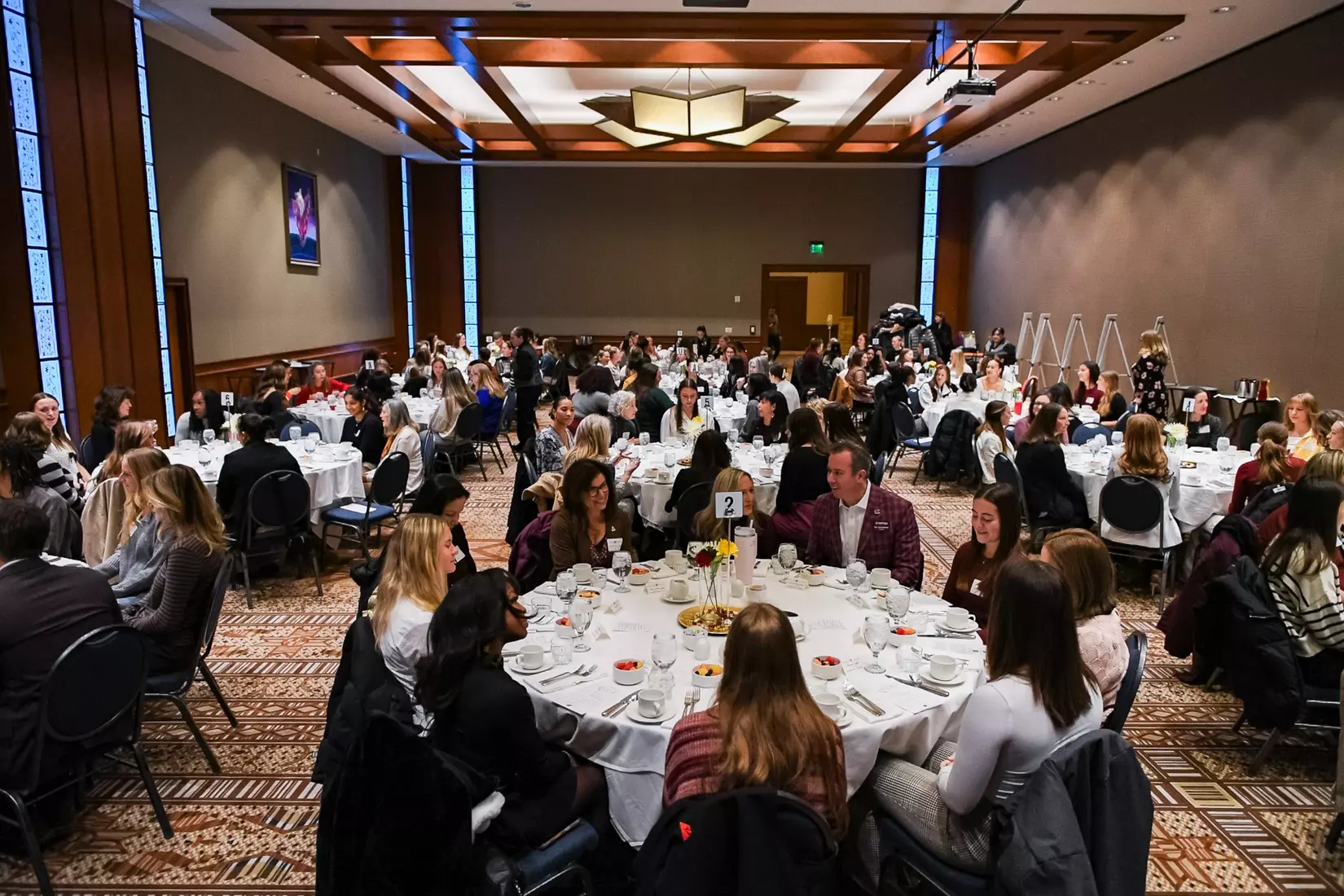
Photo by: Josie Ransley '25,M'27 - @josieransmedia
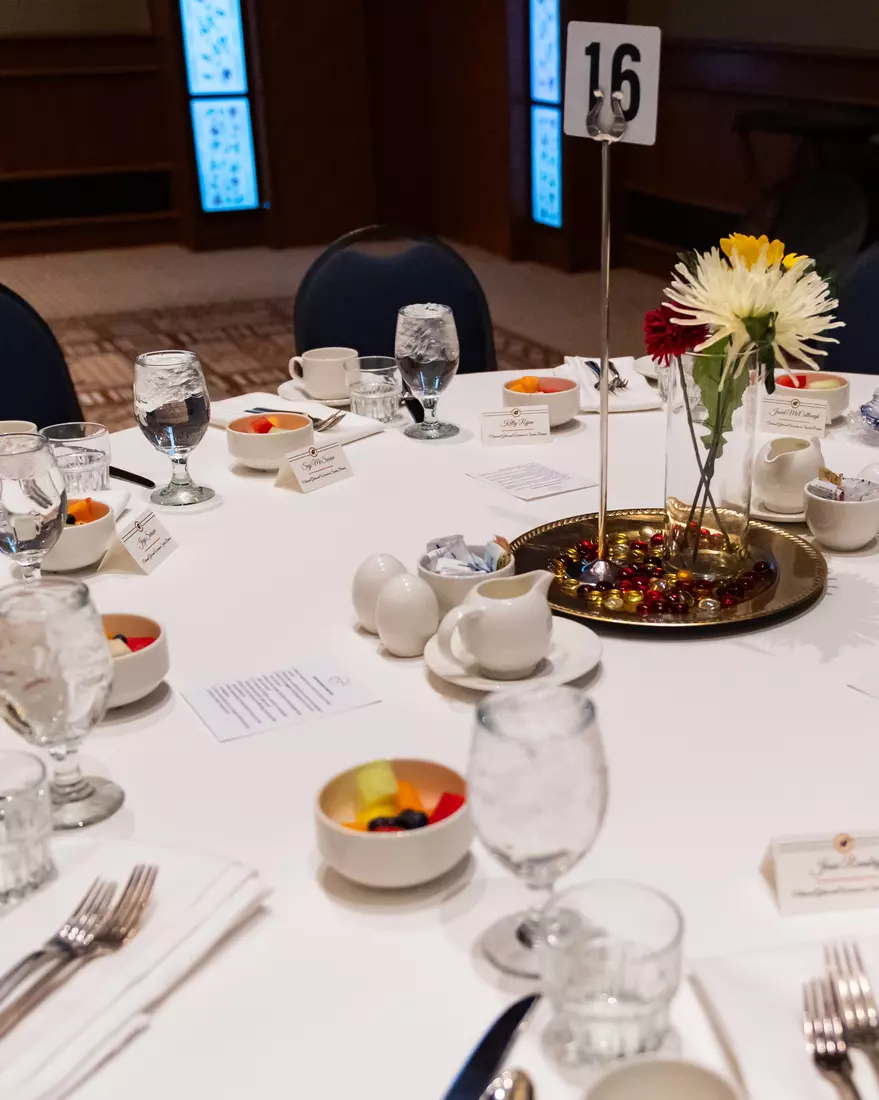
Photo by: Josie Ransley '25,M'27 - @josieransmedia
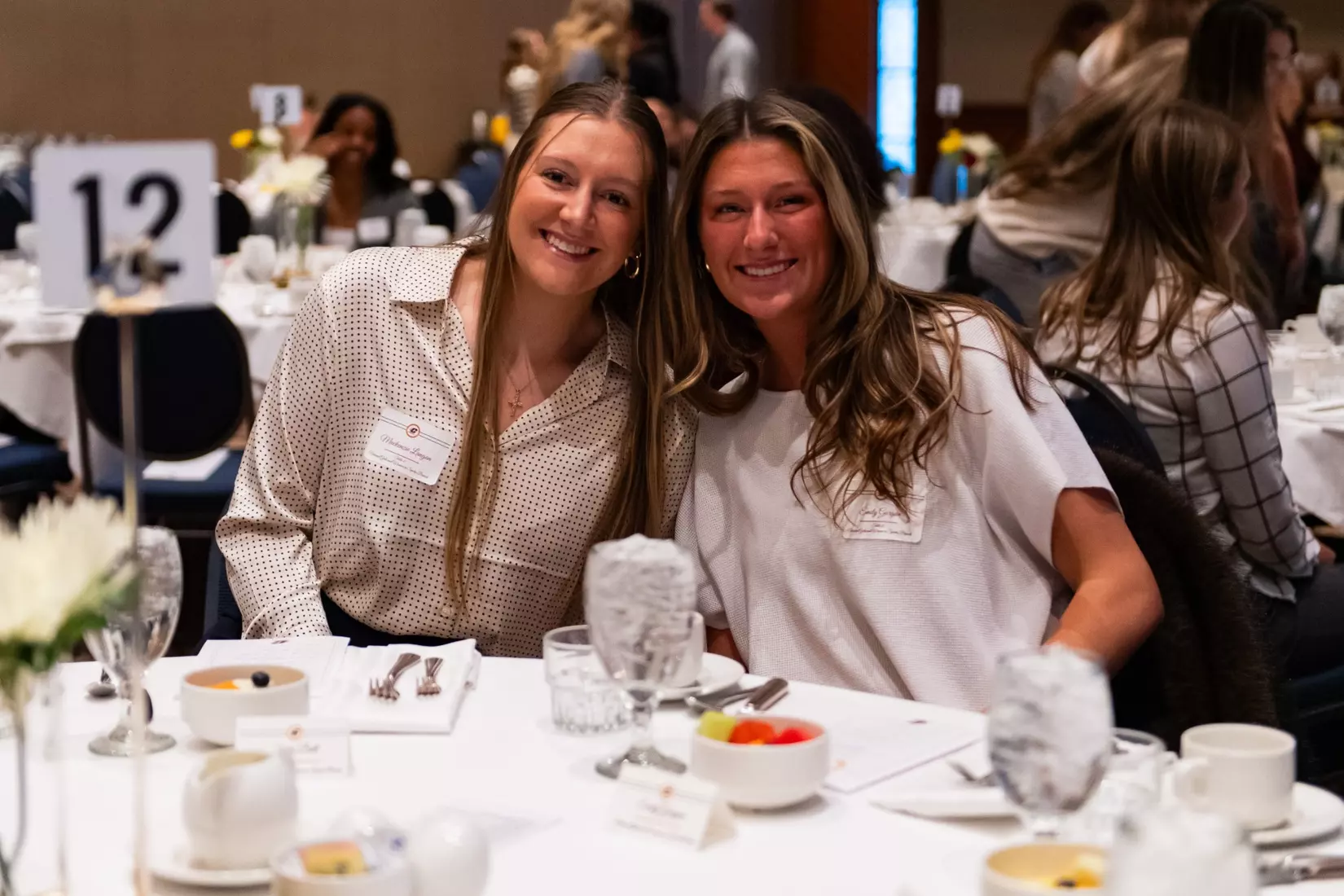
Photo by: Josie Ransley '25,M'27 - @josieransmedia
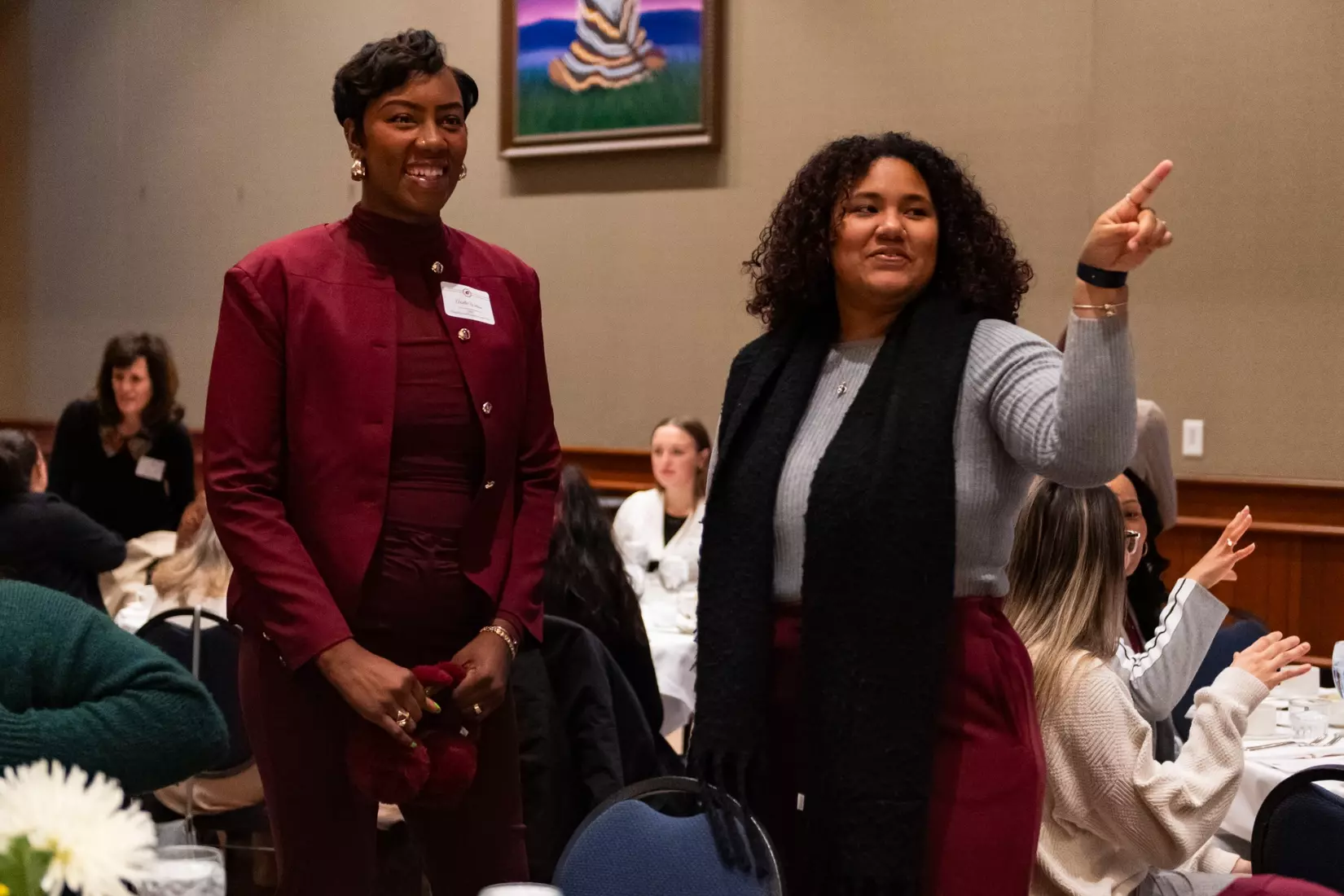
Photo by: Josie Ransley '25,M'27 - @josieransmedia
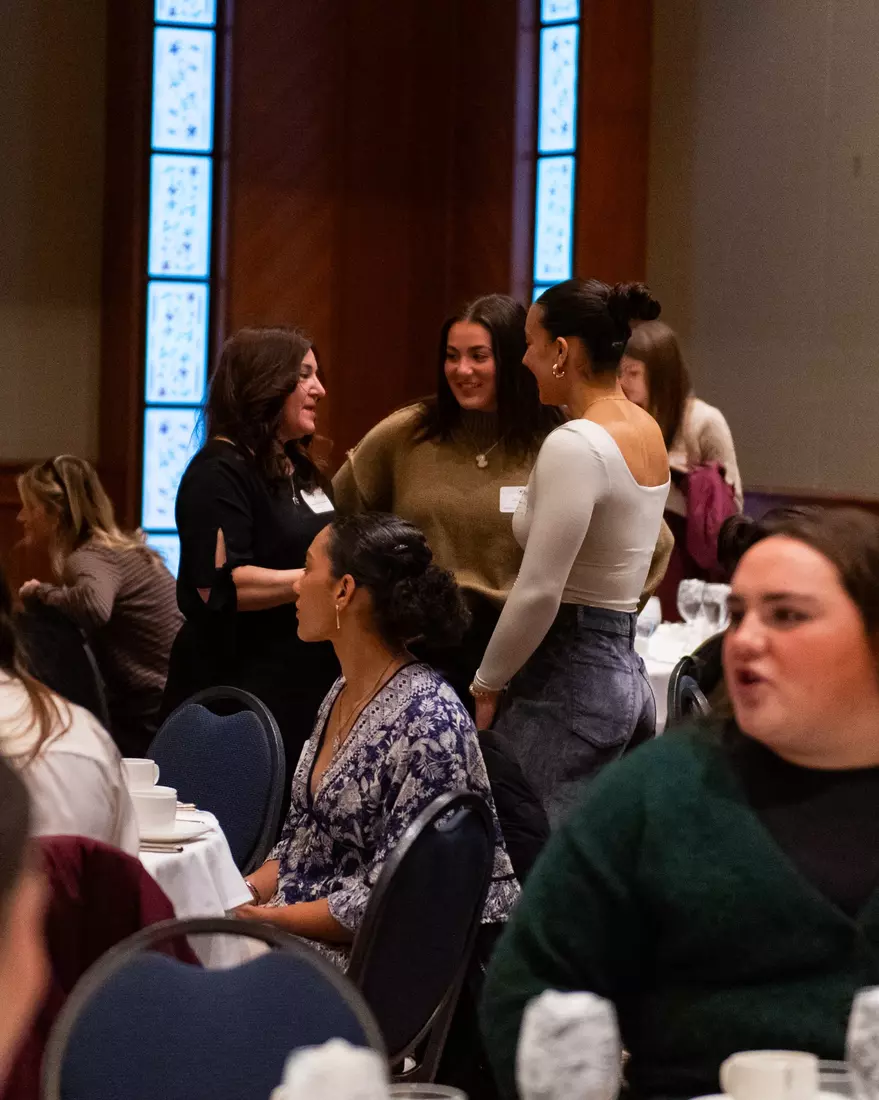
Photo by: Josie Ransley '25,M'27 - @josieransmedia
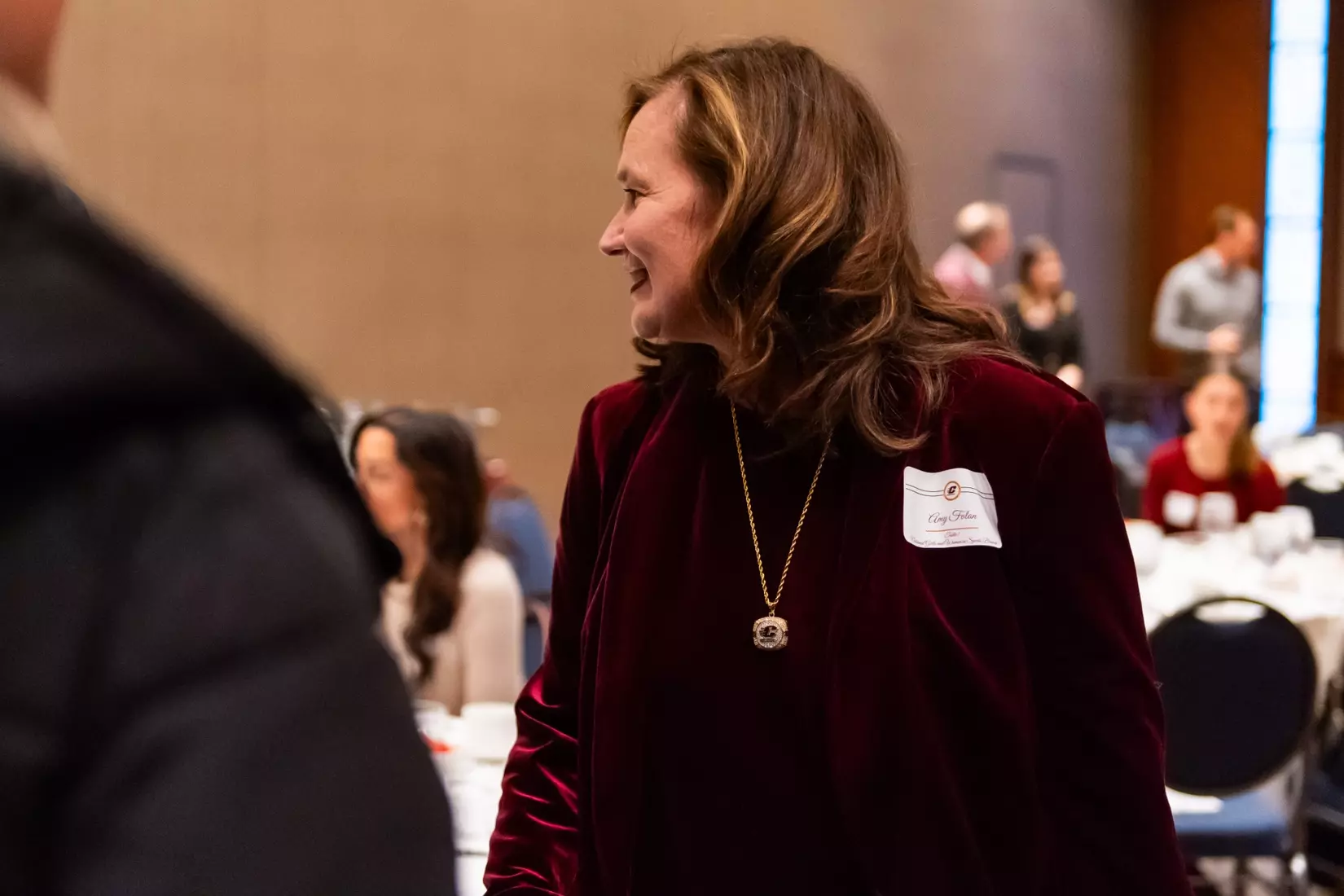
Photo by: Josie Ransley '25,M'27 - @josieransmedia
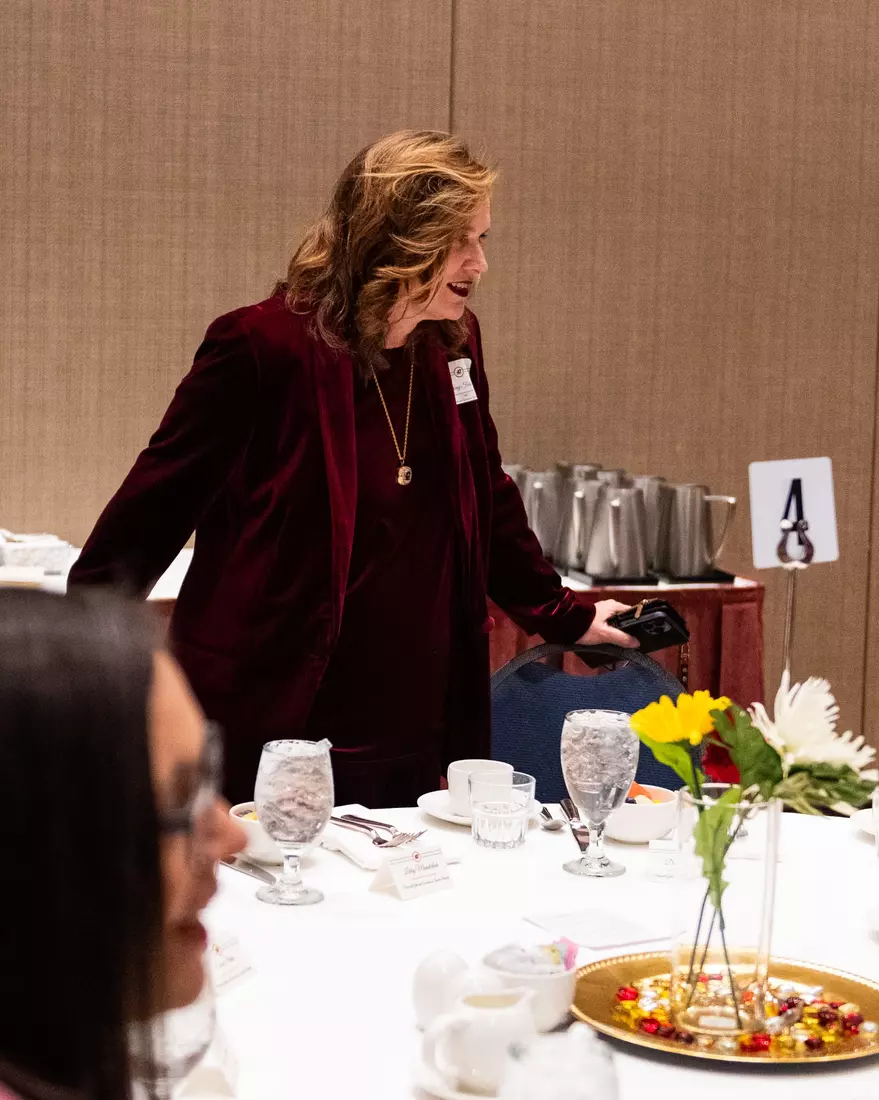
Photo by: Josie Ransley '25,M'27 - @josieransmedia
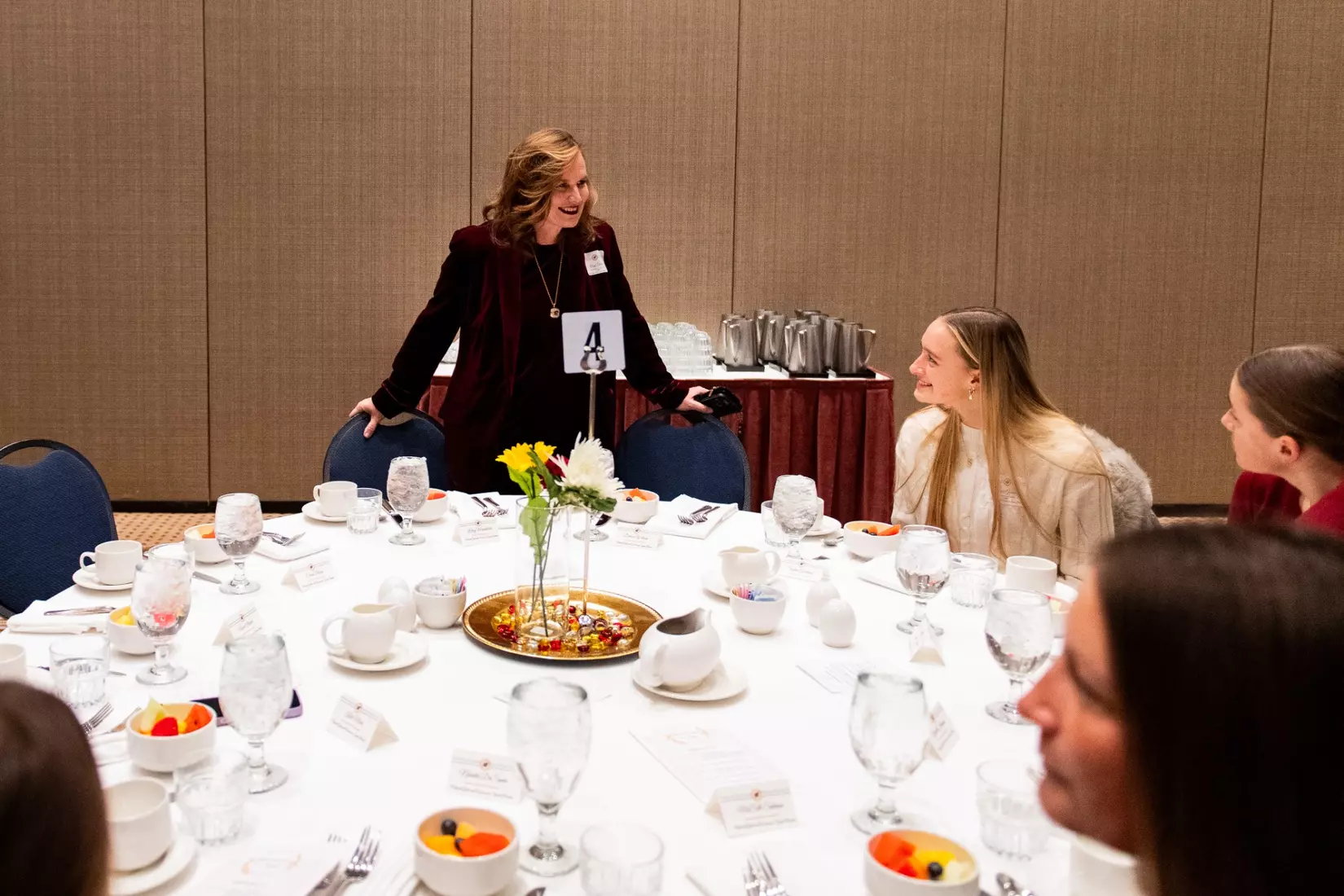
Photo by: Josie Ransley '25,M'27 - @josieransmedia
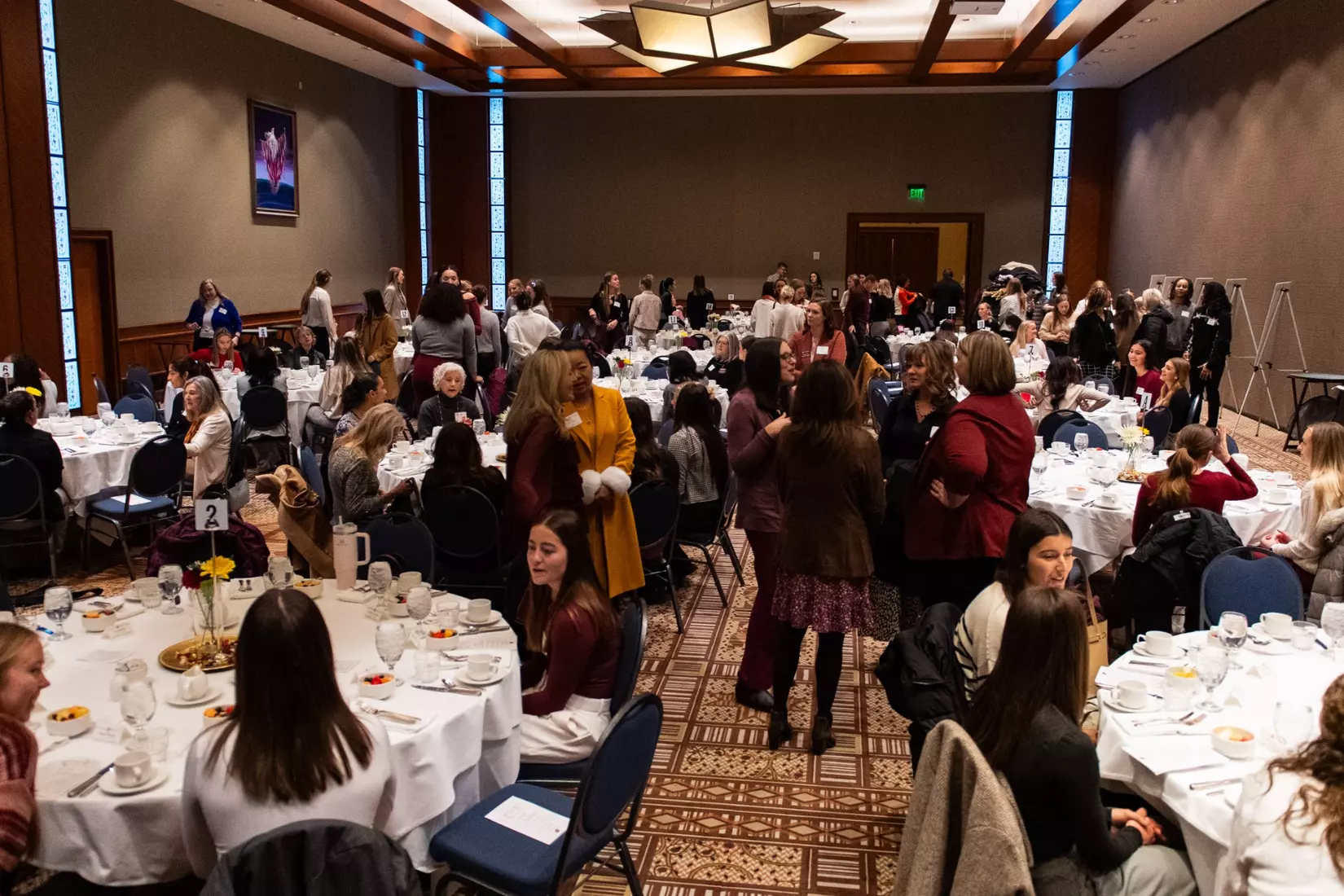
Photo by: Josie Ransley '25,M'27 - @josieransmedia
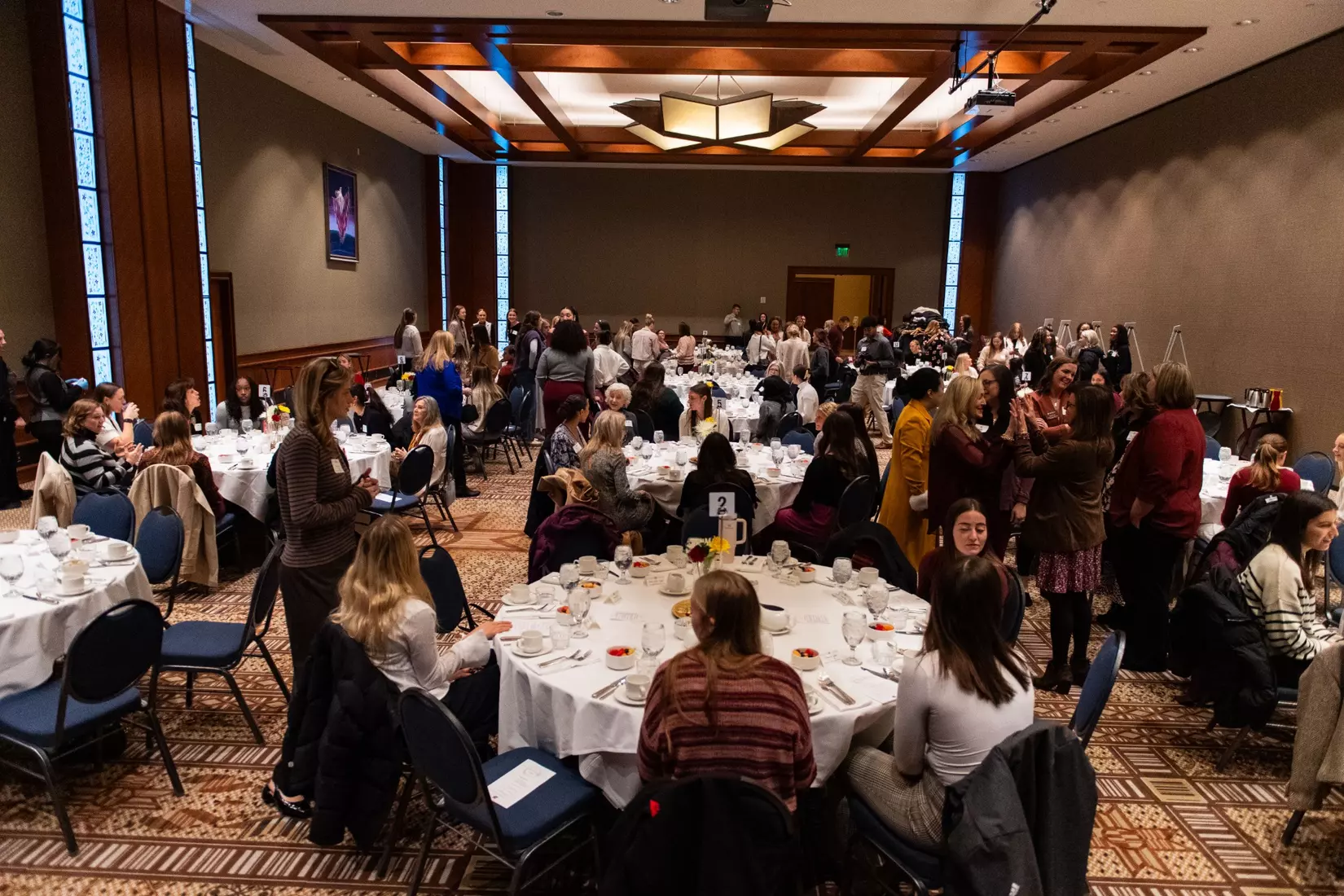
Photo by: Josie Ransley '25,M'27 - @josieransmedia
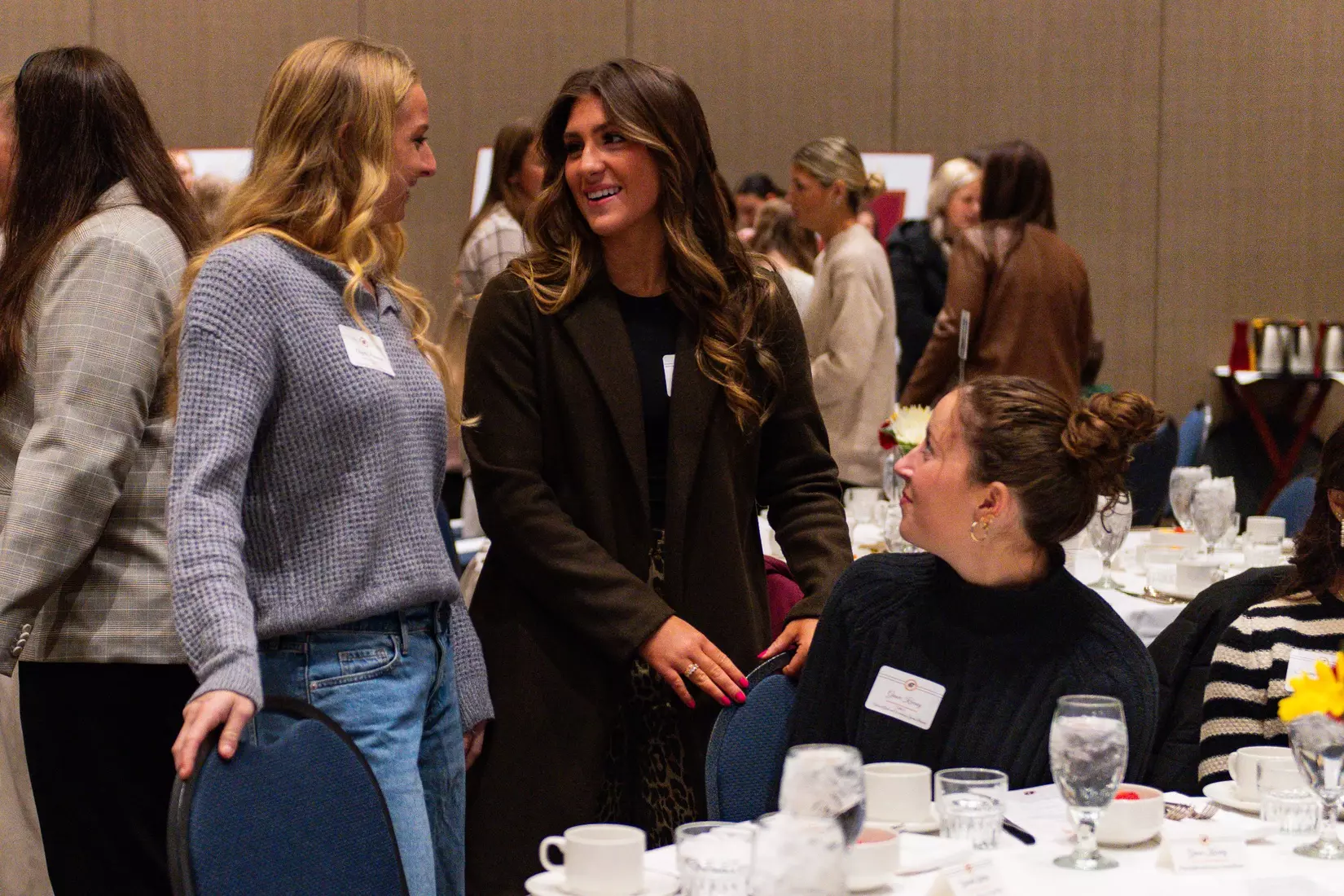
Photo by: Josie Ransley '25,M'27 - @josieransmedia
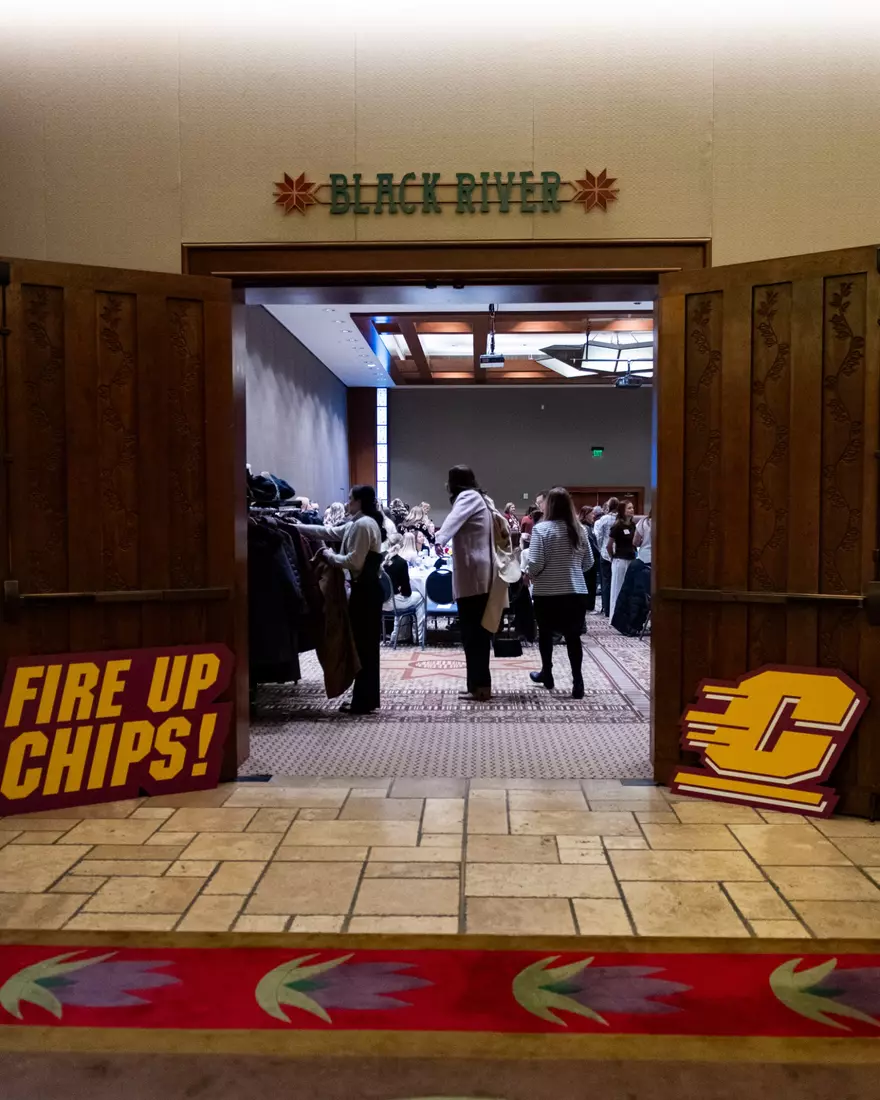
Photo by: Josie Ransley '25,M'27 - @josieransmedia
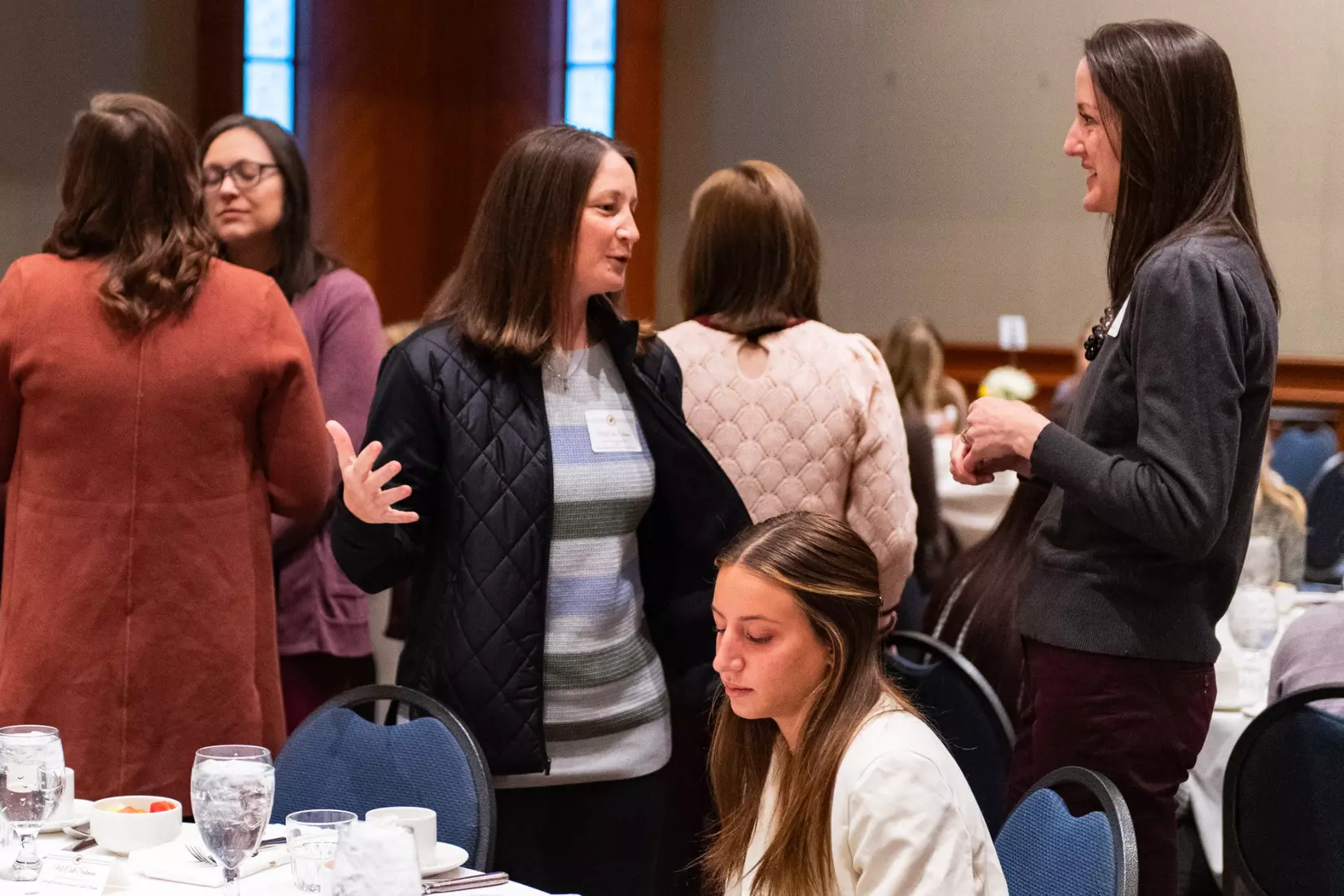
Photo by: Josie Ransley '25,M'27 - @josieransmedia
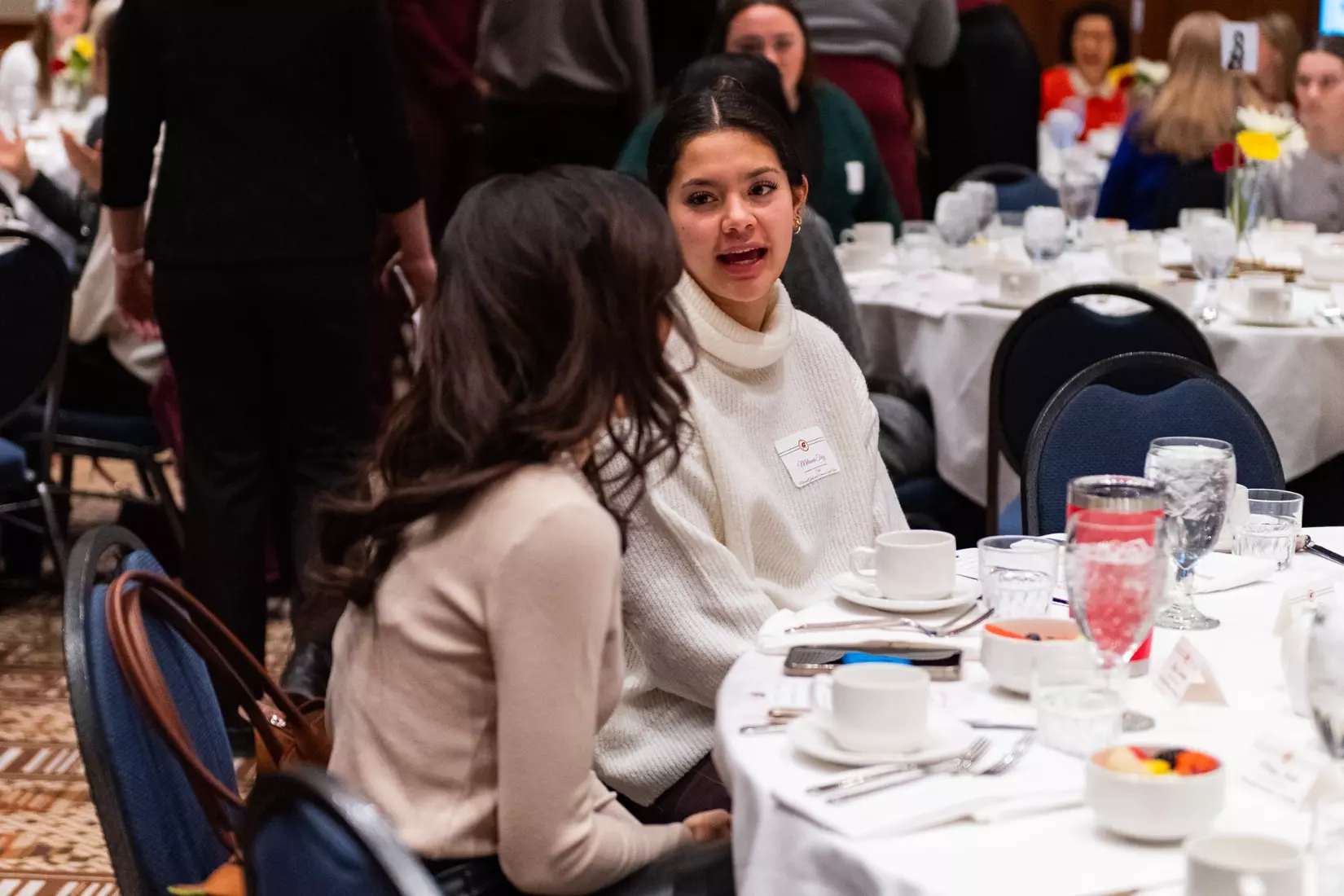
Photo by: Josie Ransley '25,M'27 - @josieransmedia
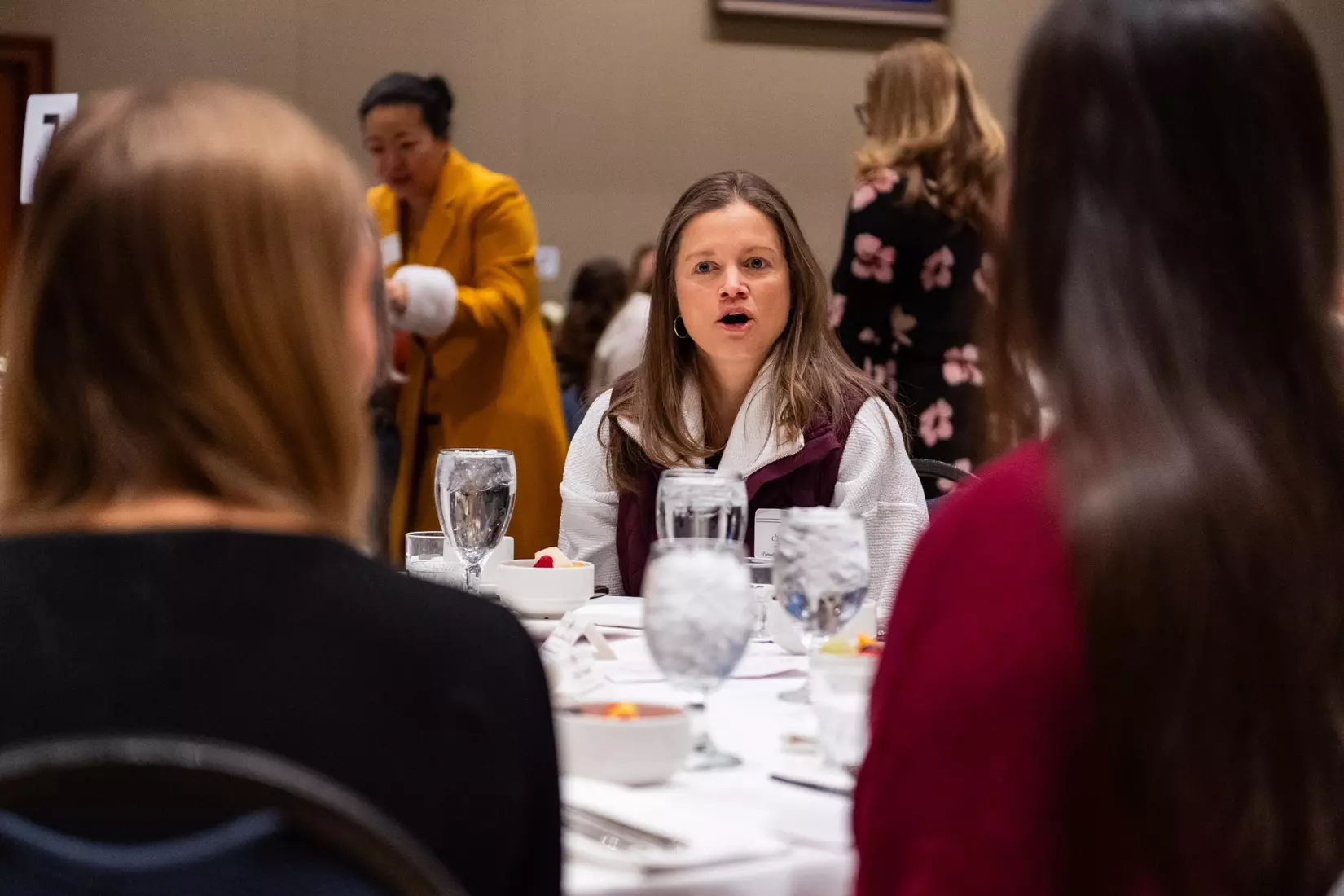
Photo by: Josie Ransley '25,M'27 - @josieransmedia
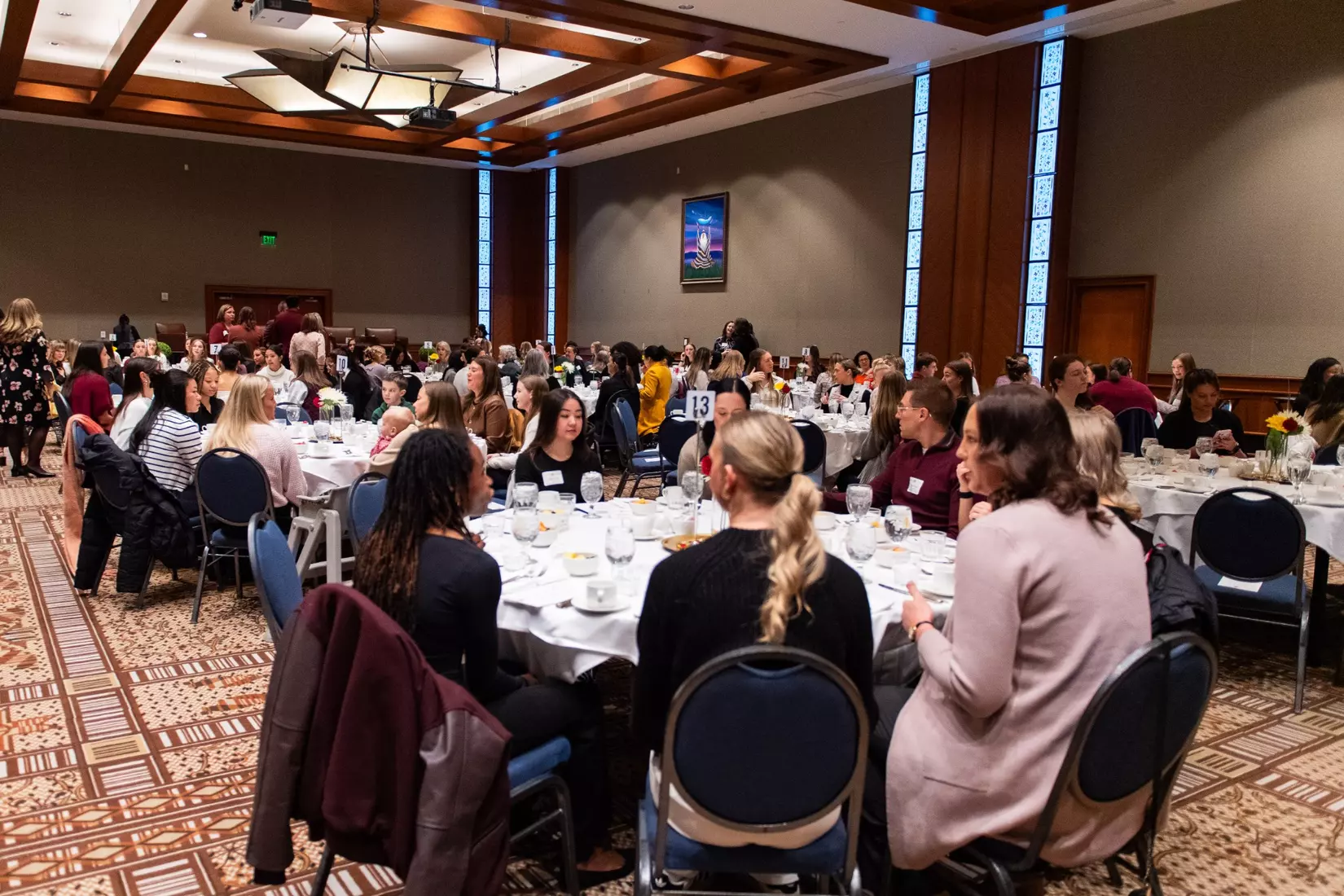
Photo by: Josie Ransley '25,M'27 - @josieransmedia
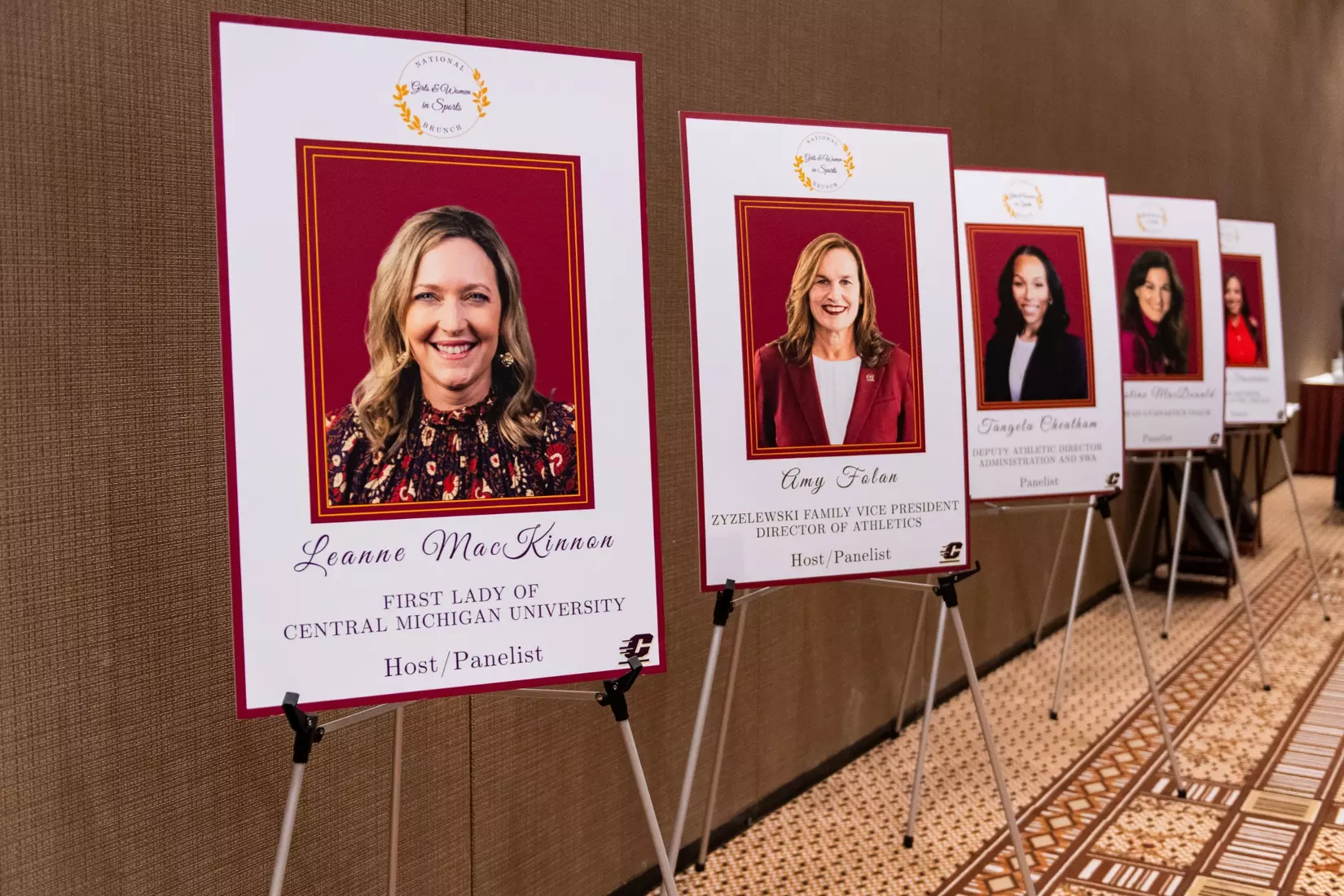
Photo by: Josie Ransley '25,M'27 - @josieransmedia
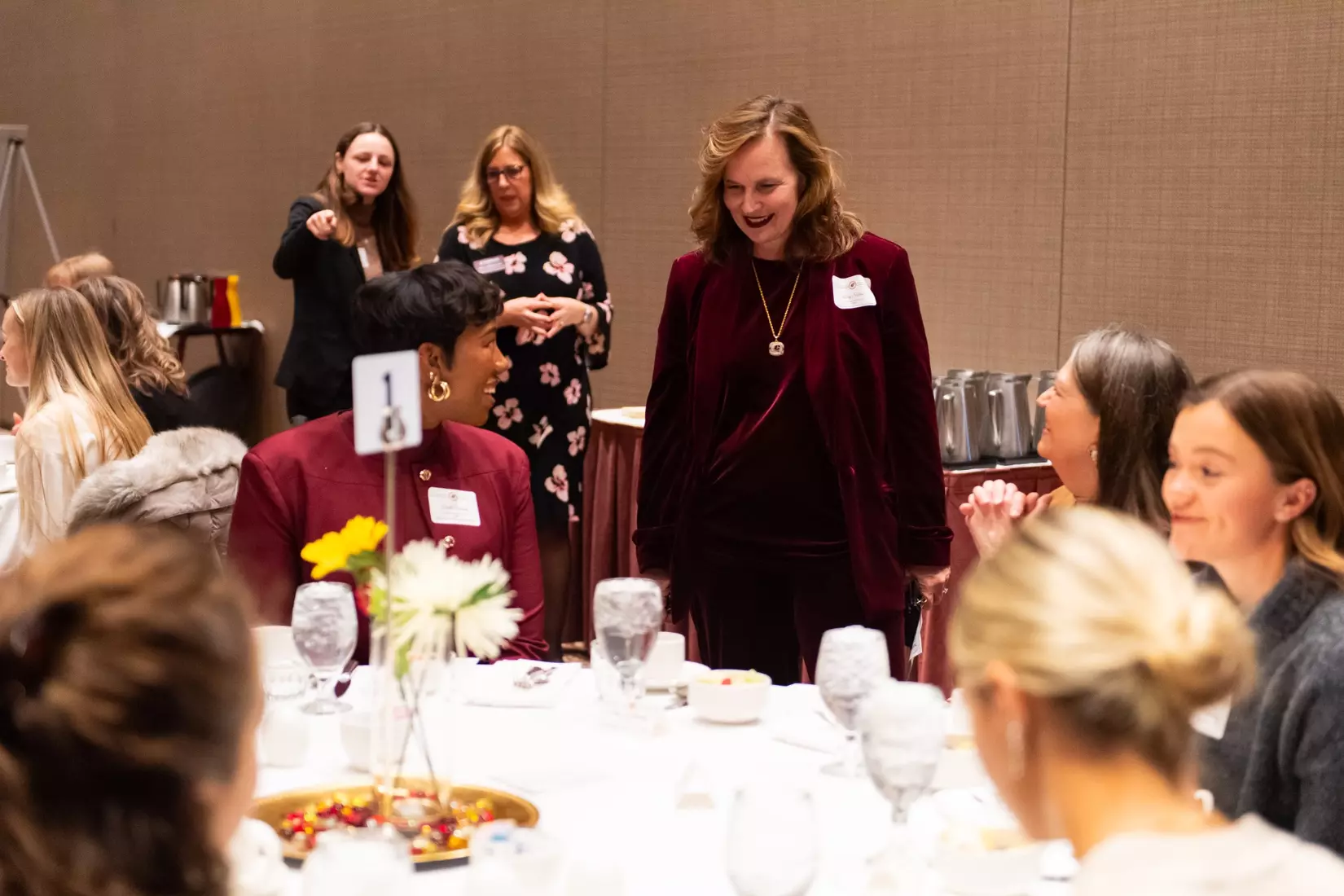
Photo by: Josie Ransley '25,M'27 - @josieransmedia
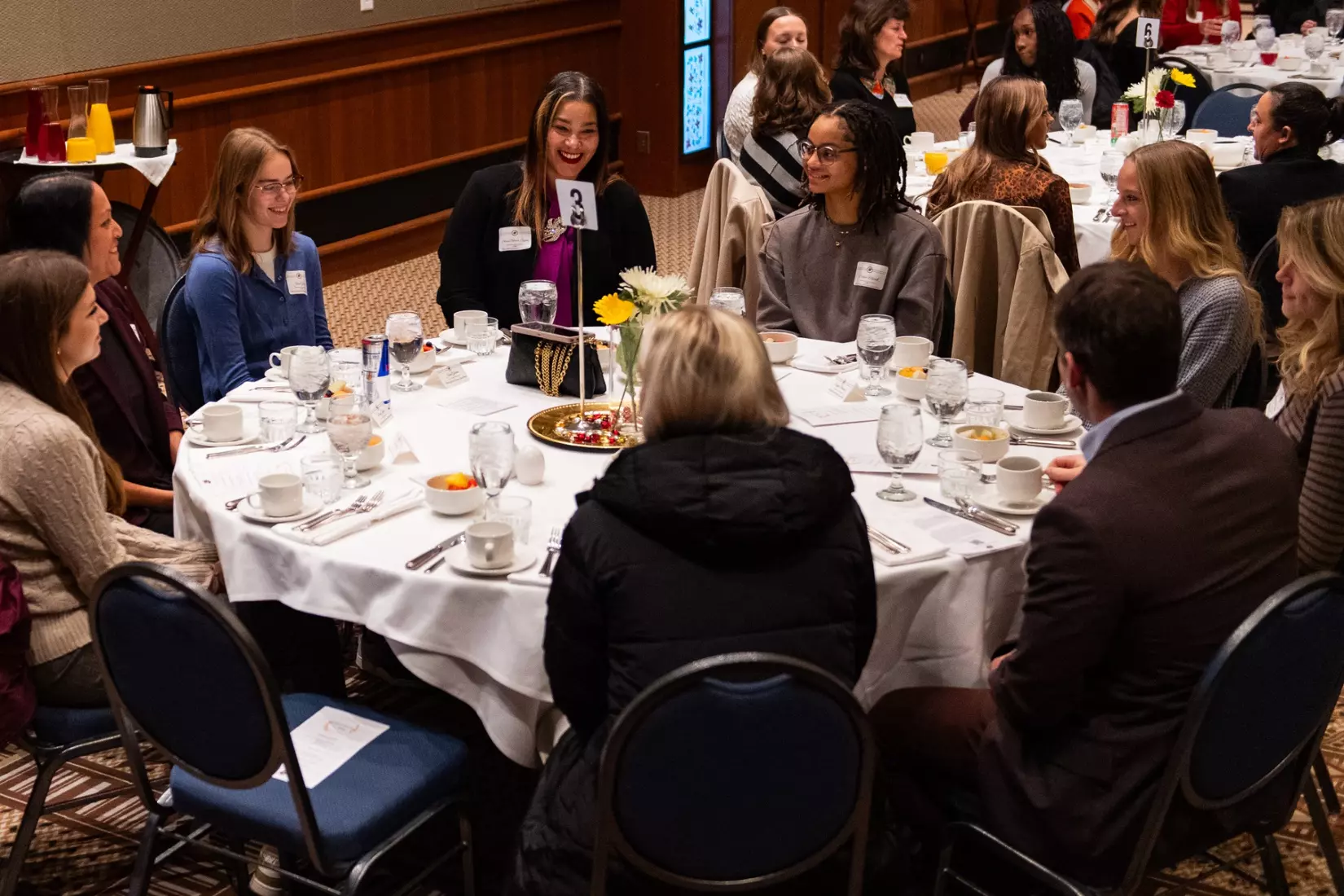
Photo by: Josie Ransley '25,M'27 - @josieransmedia
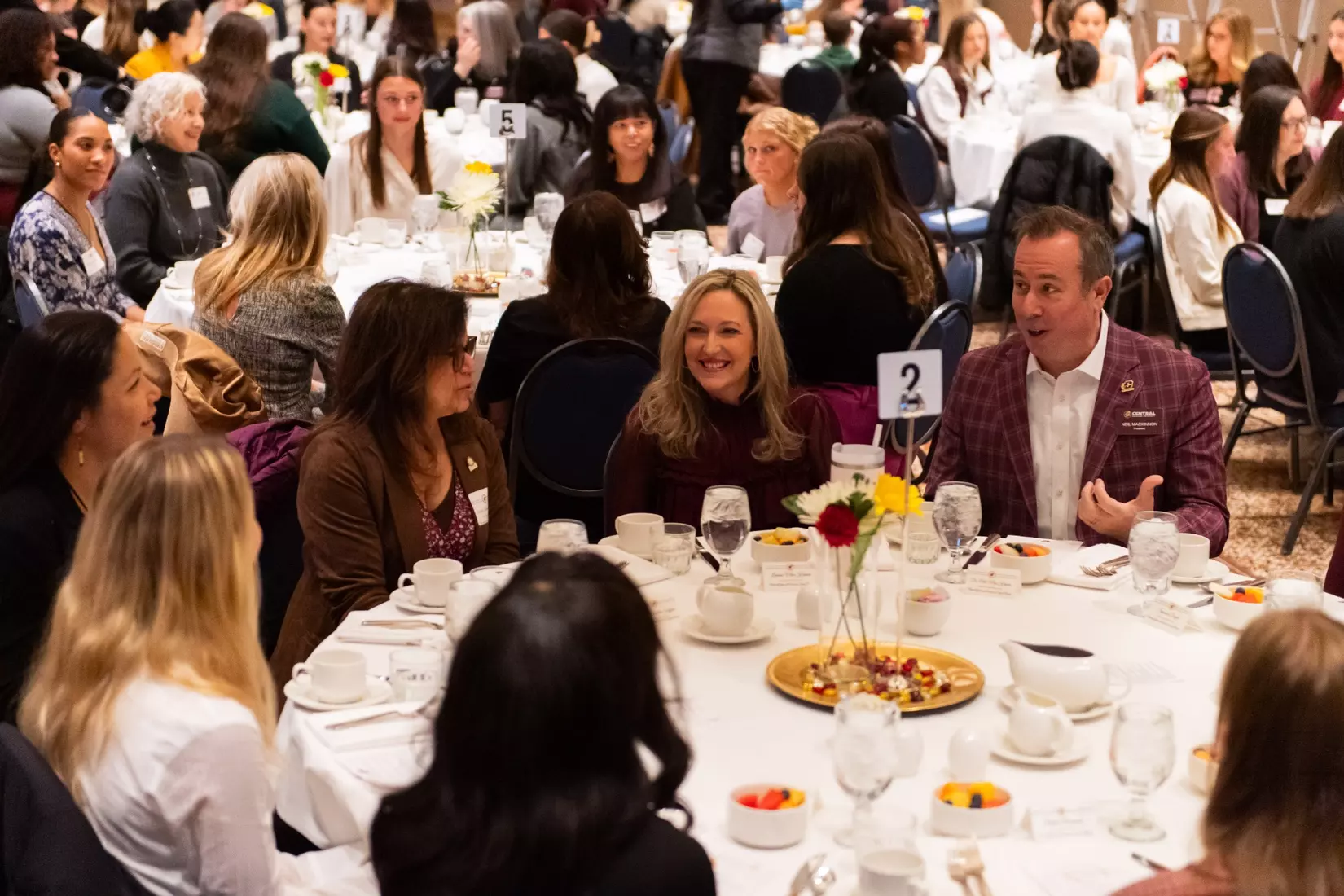
Photo by: Josie Ransley '25,M'27 - @josieransmedia
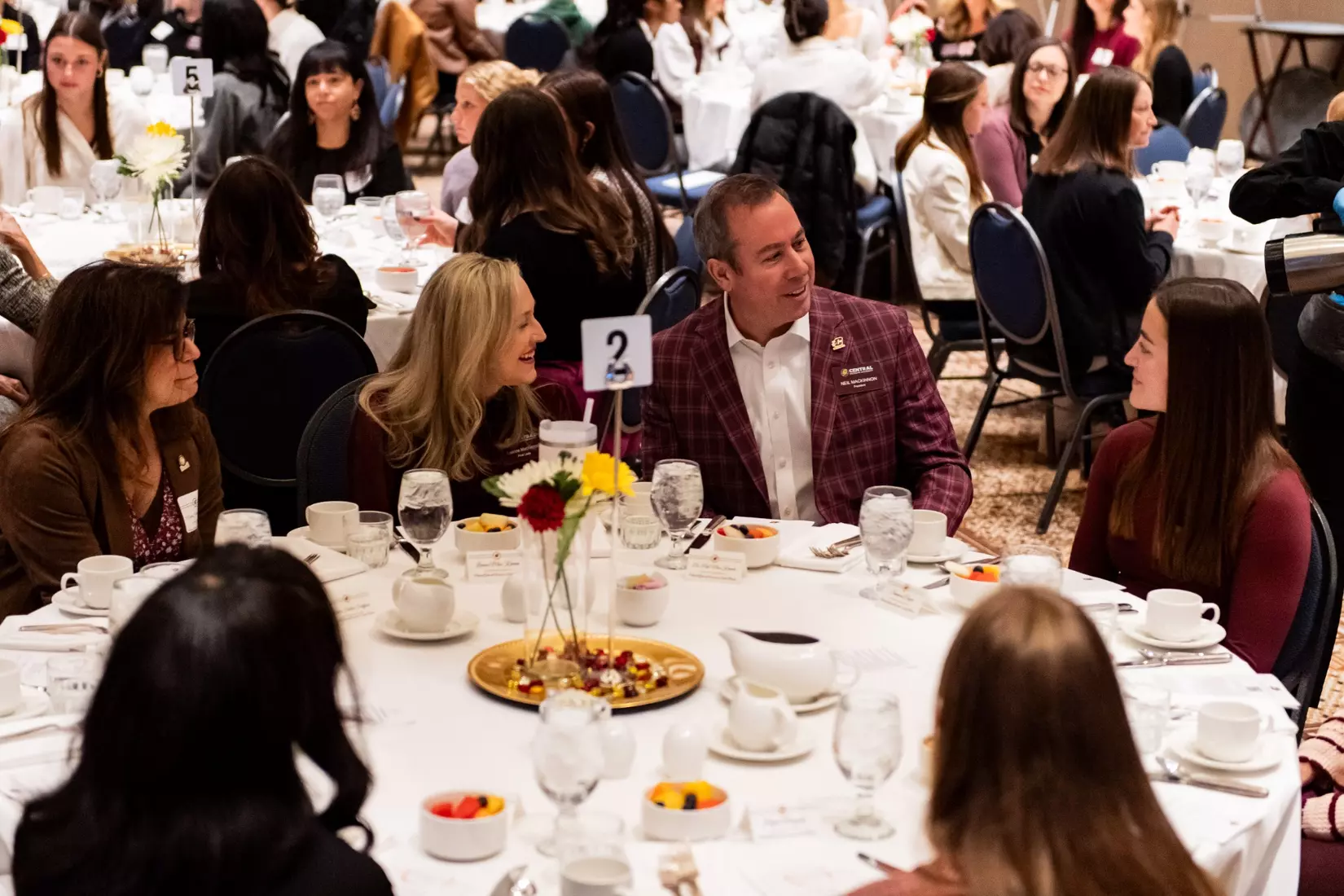
Photo by: Josie Ransley '25,M'27 - @josieransmedia
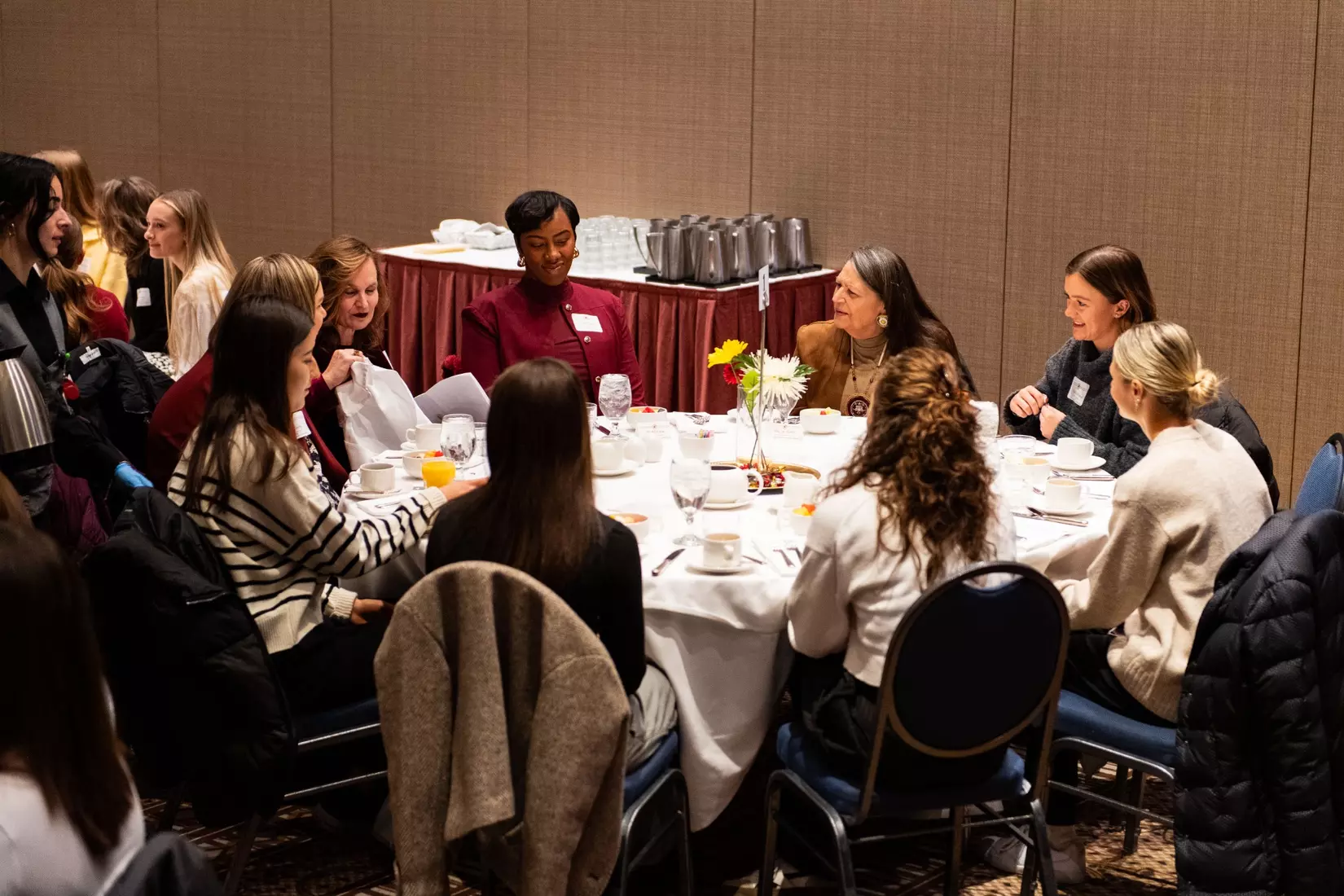
Photo by: Josie Ransley '25,M'27 - @josieransmedia
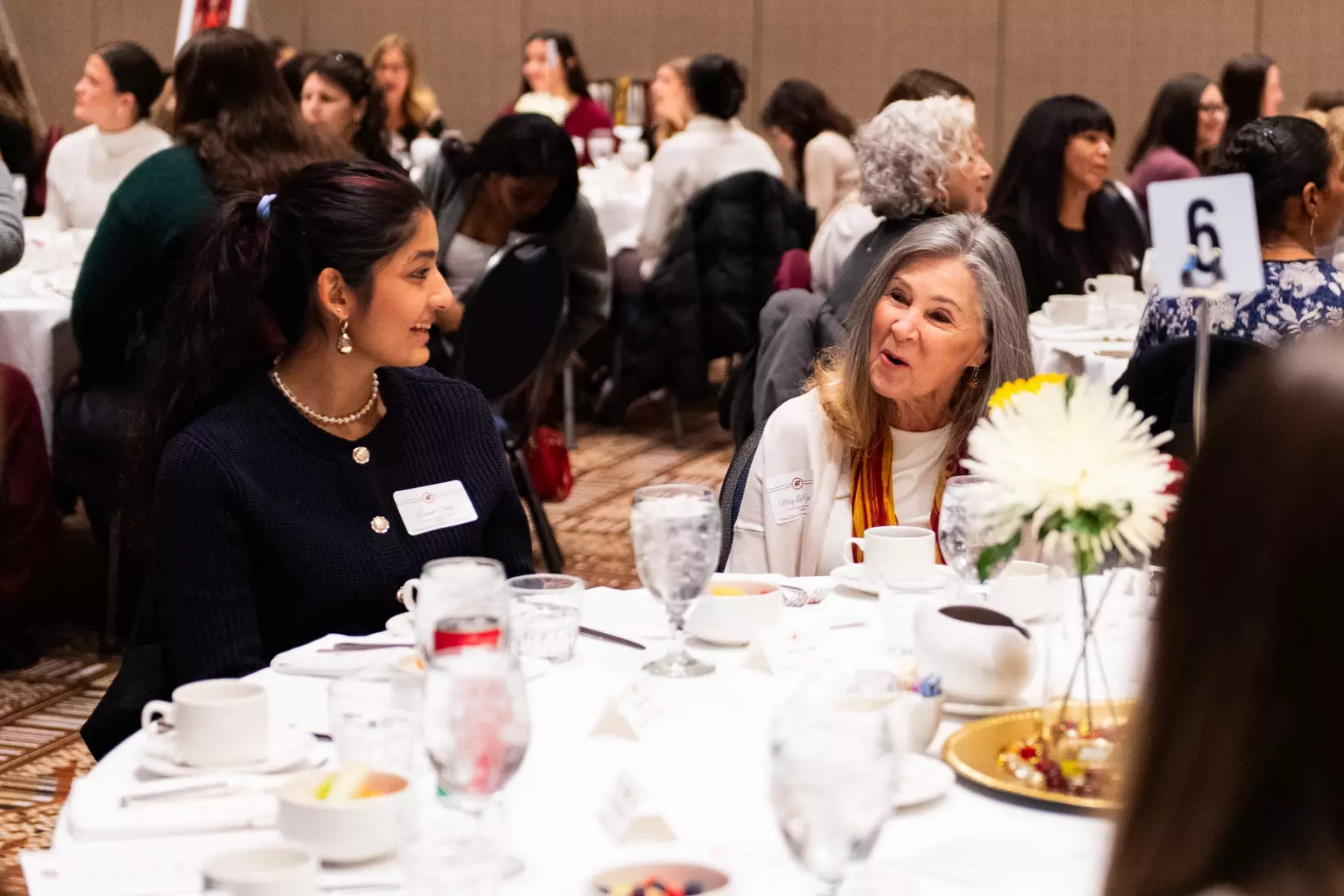
Photo by: Josie Ransley '25,M'27 - @josieransmedia
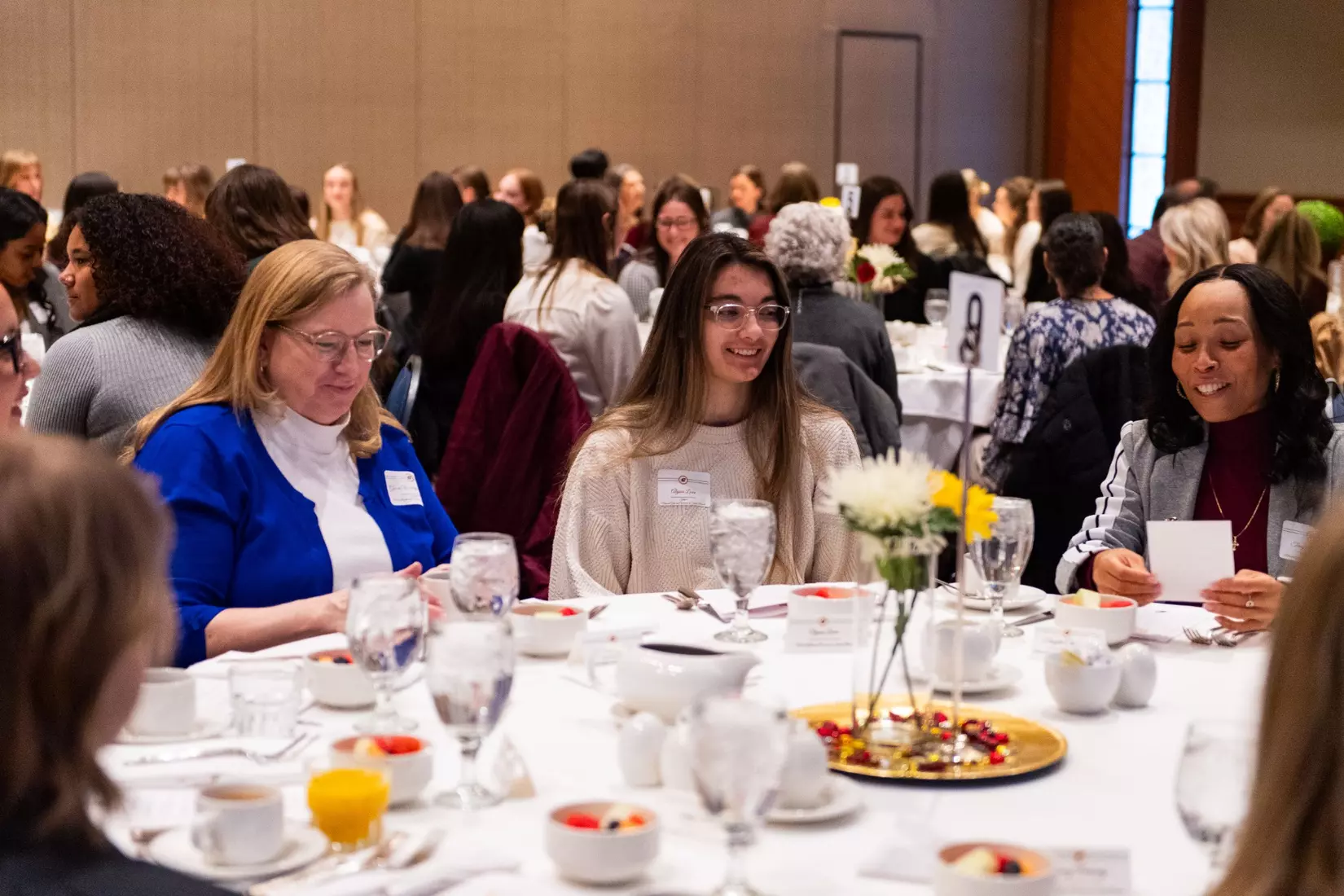
Photo by: Josie Ransley '25,M'27 - @josieransmedia
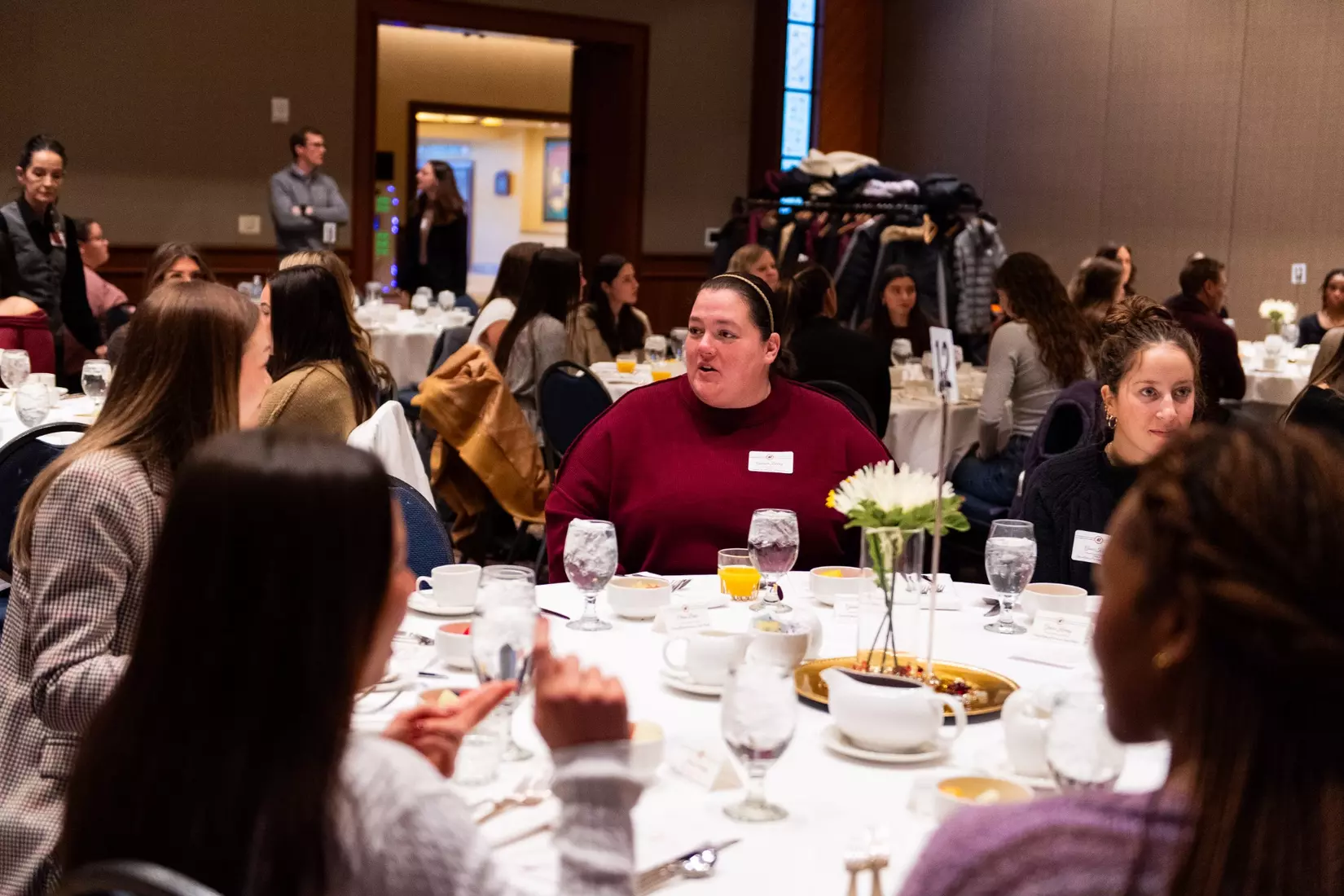
Photo by: Josie Ransley '25,M'27 - @josieransmedia
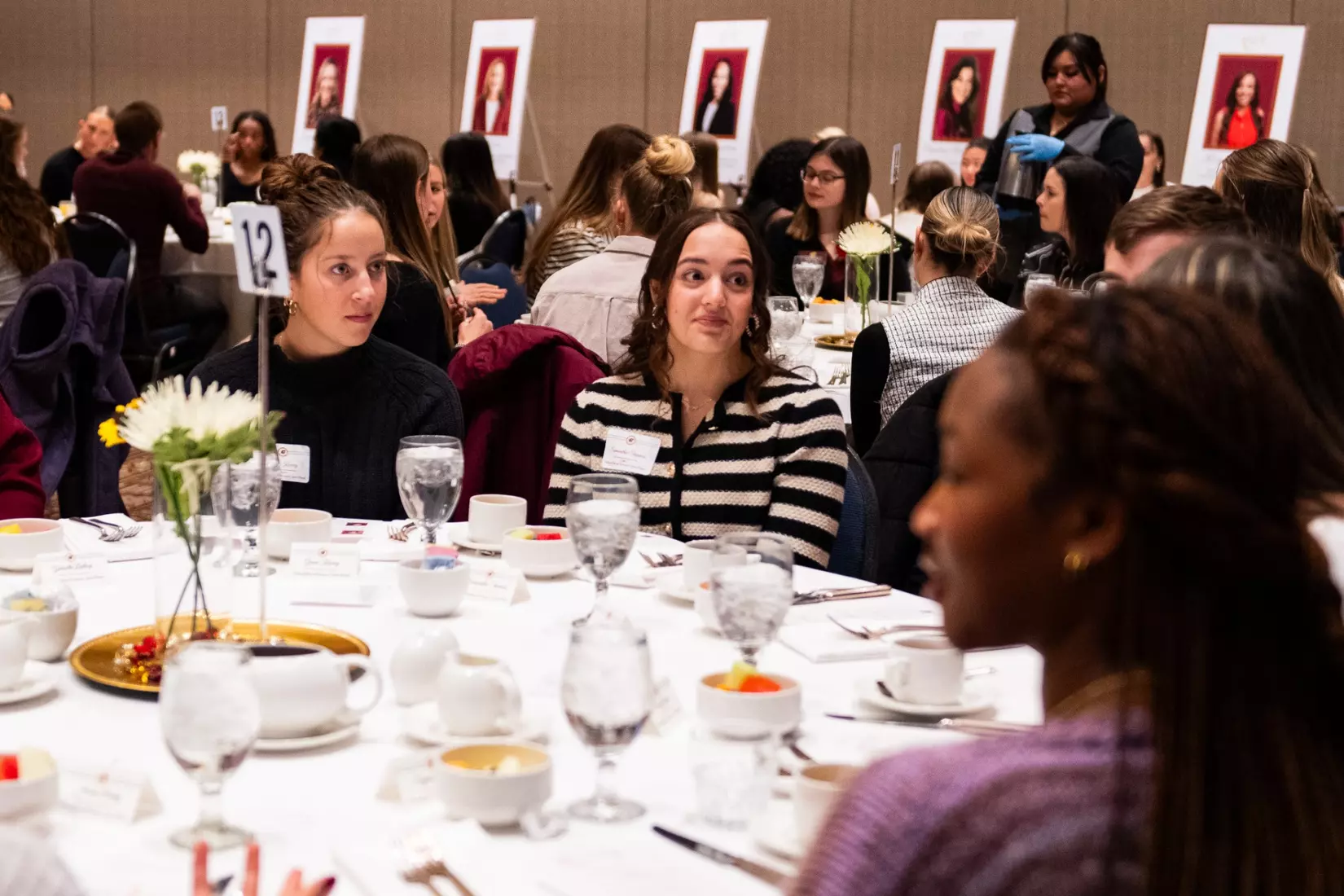
Photo by: Josie Ransley '25,M'27 - @josieransmedia
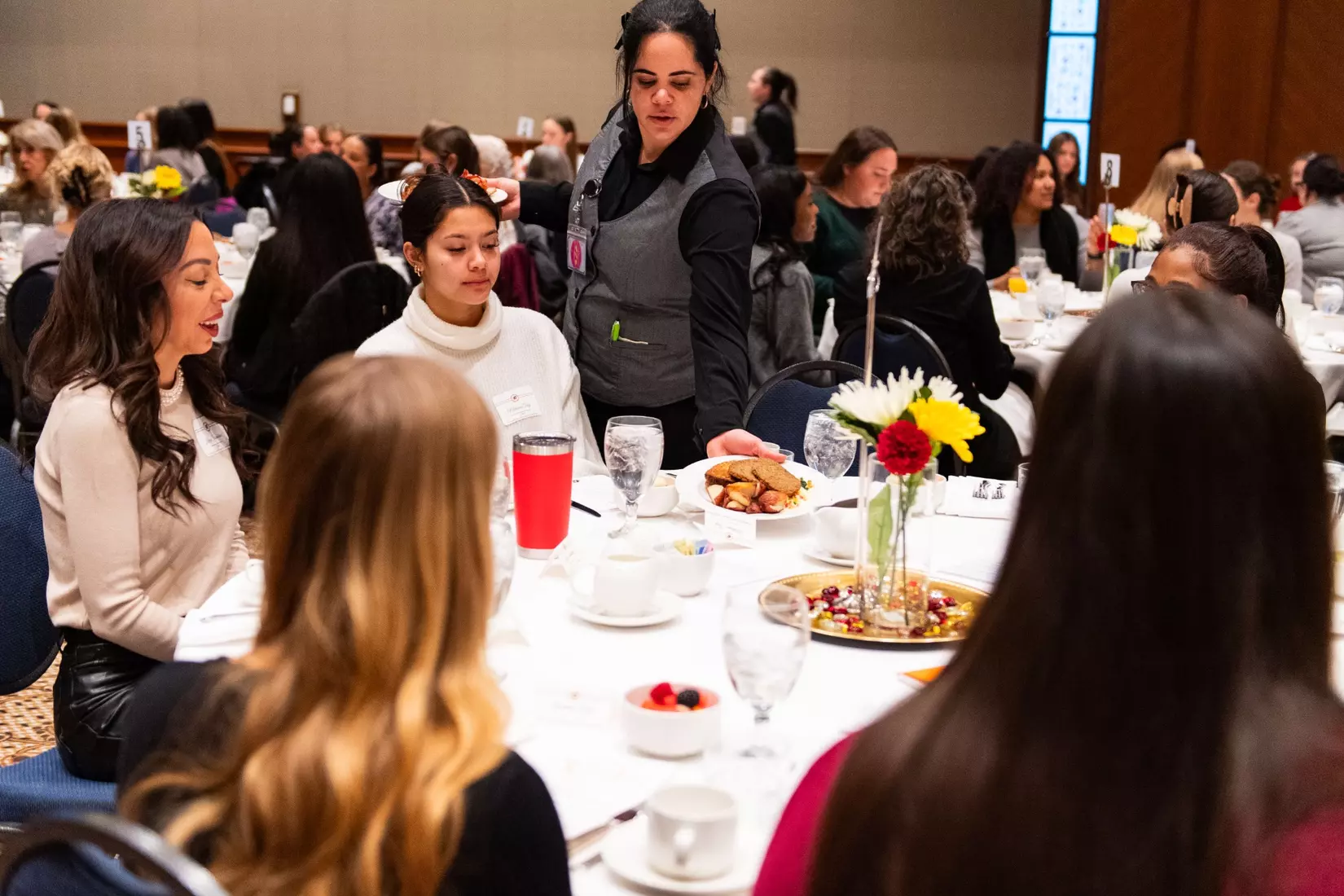
Photo by: Josie Ransley '25,M'27 - @josieransmedia
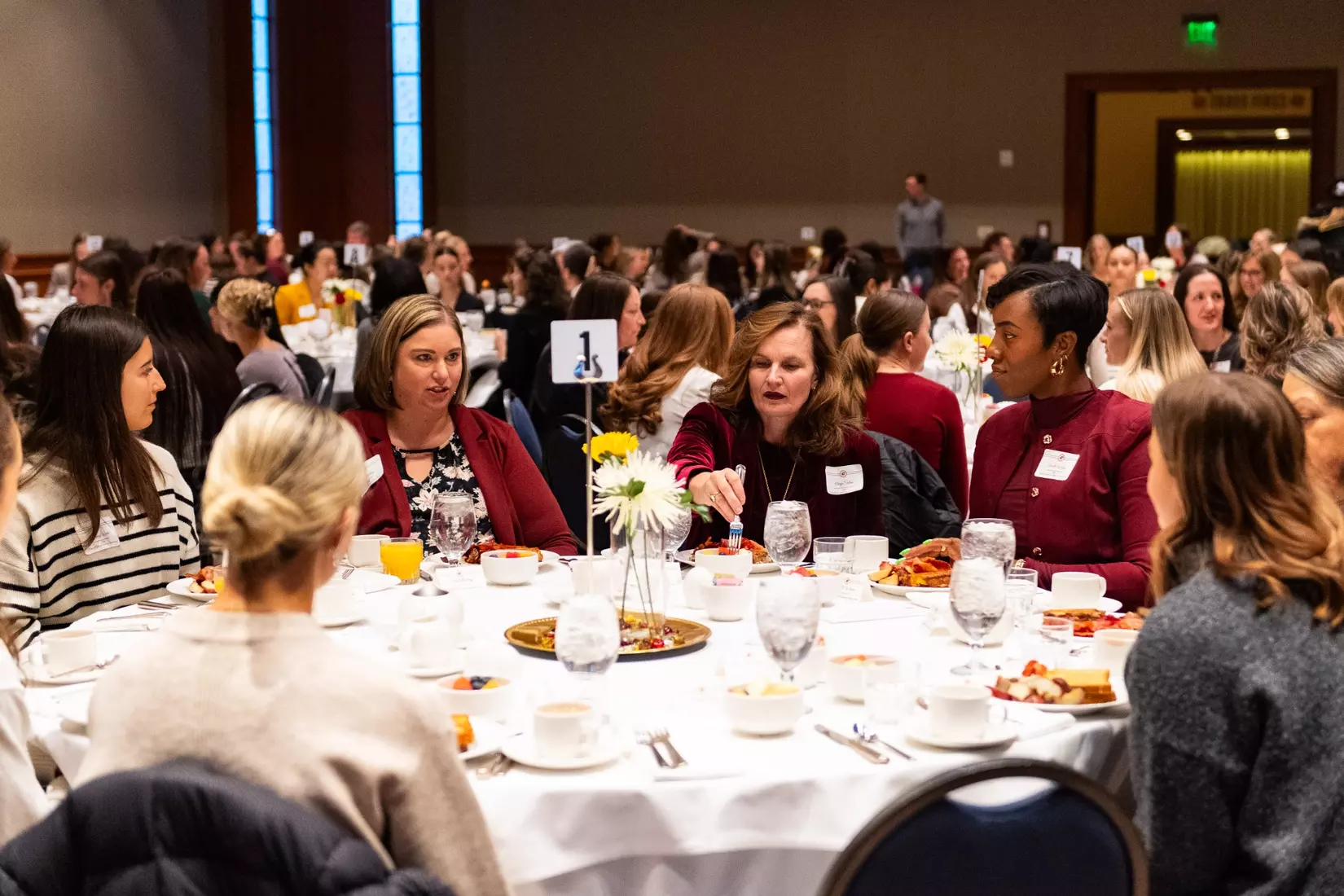
Photo by: Josie Ransley '25,M'27 - @josieransmedia
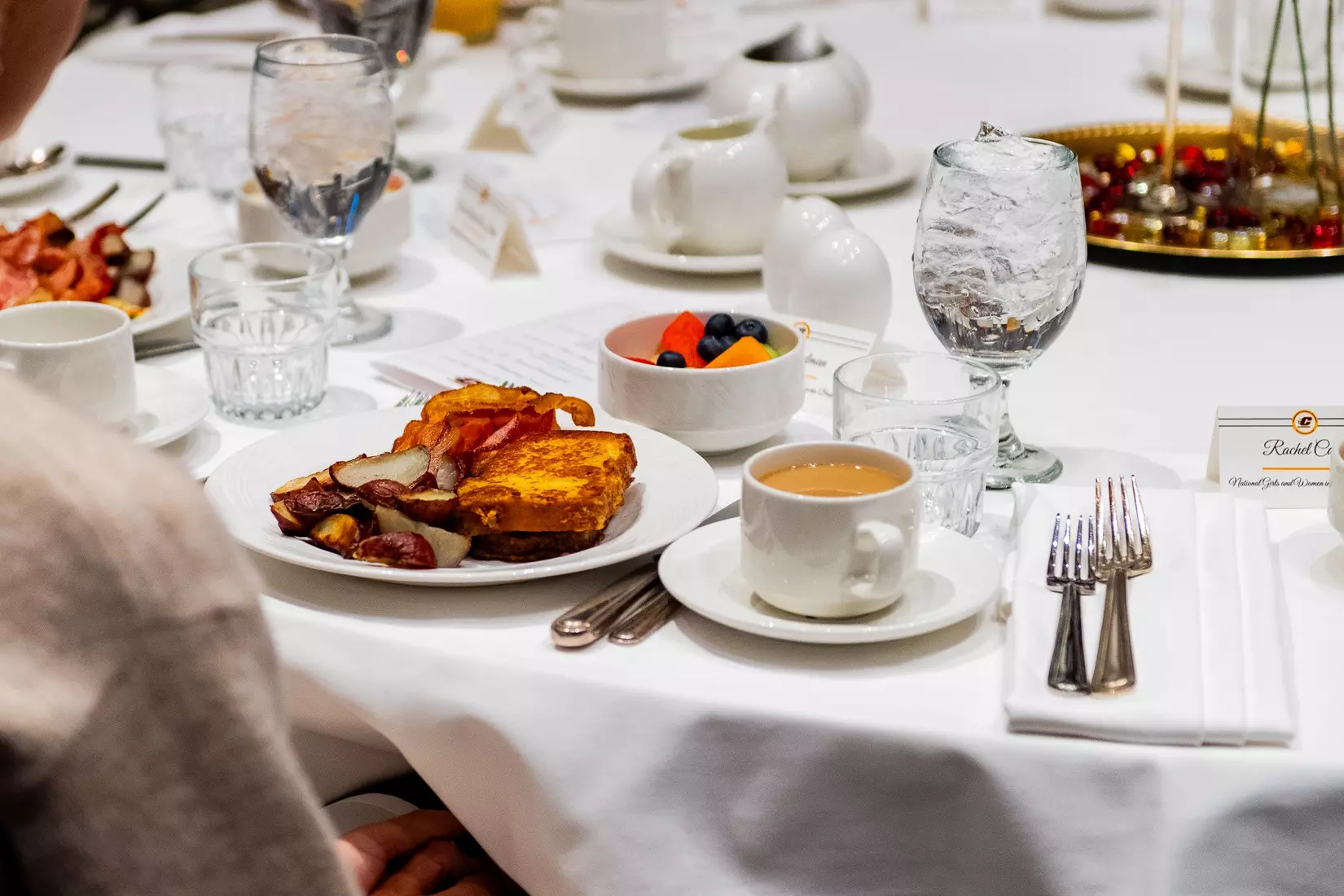
Photo by: Josie Ransley '25,M'27 - @josieransmedia
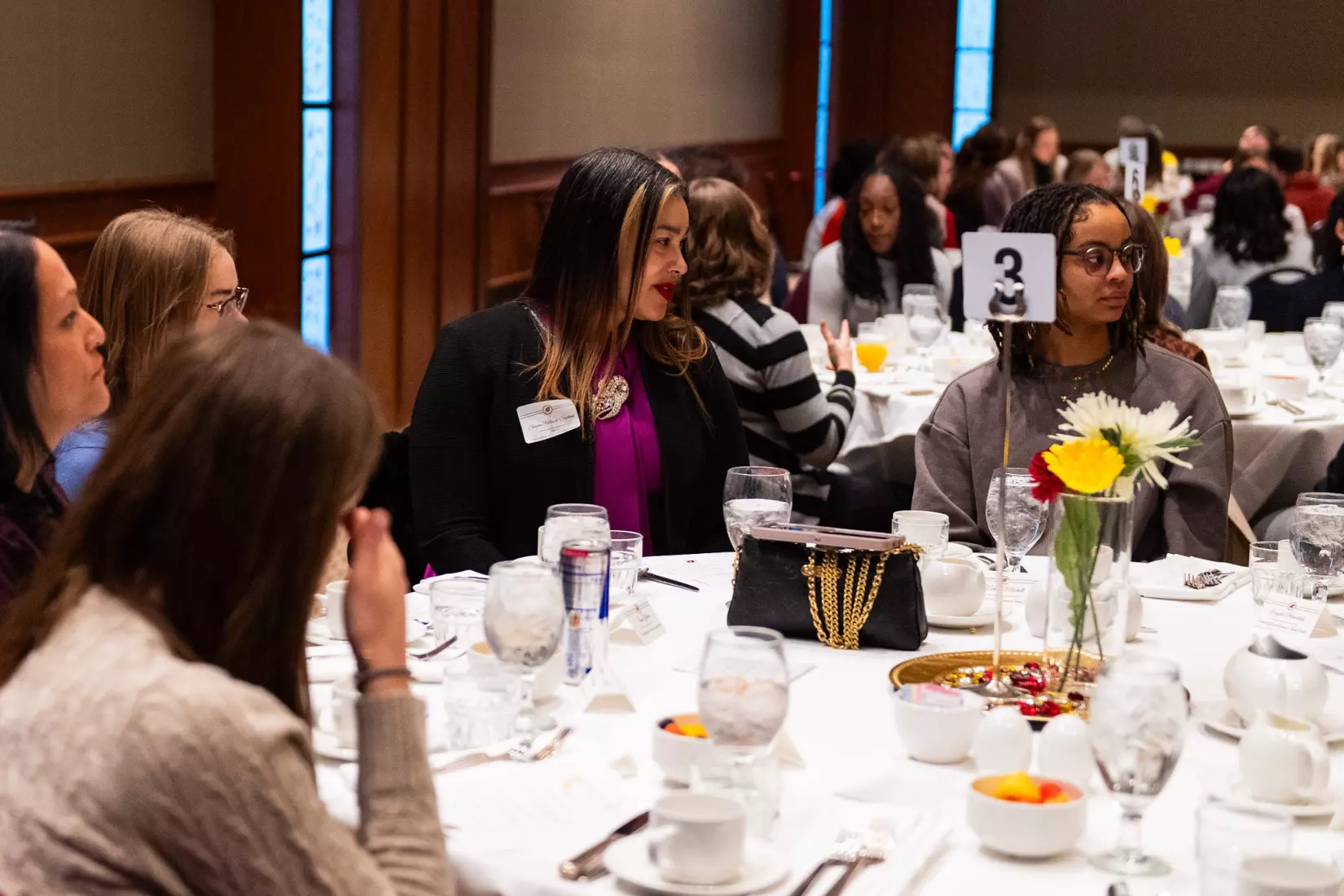
Photo by: Josie Ransley '25,M'27 - @josieransmedia
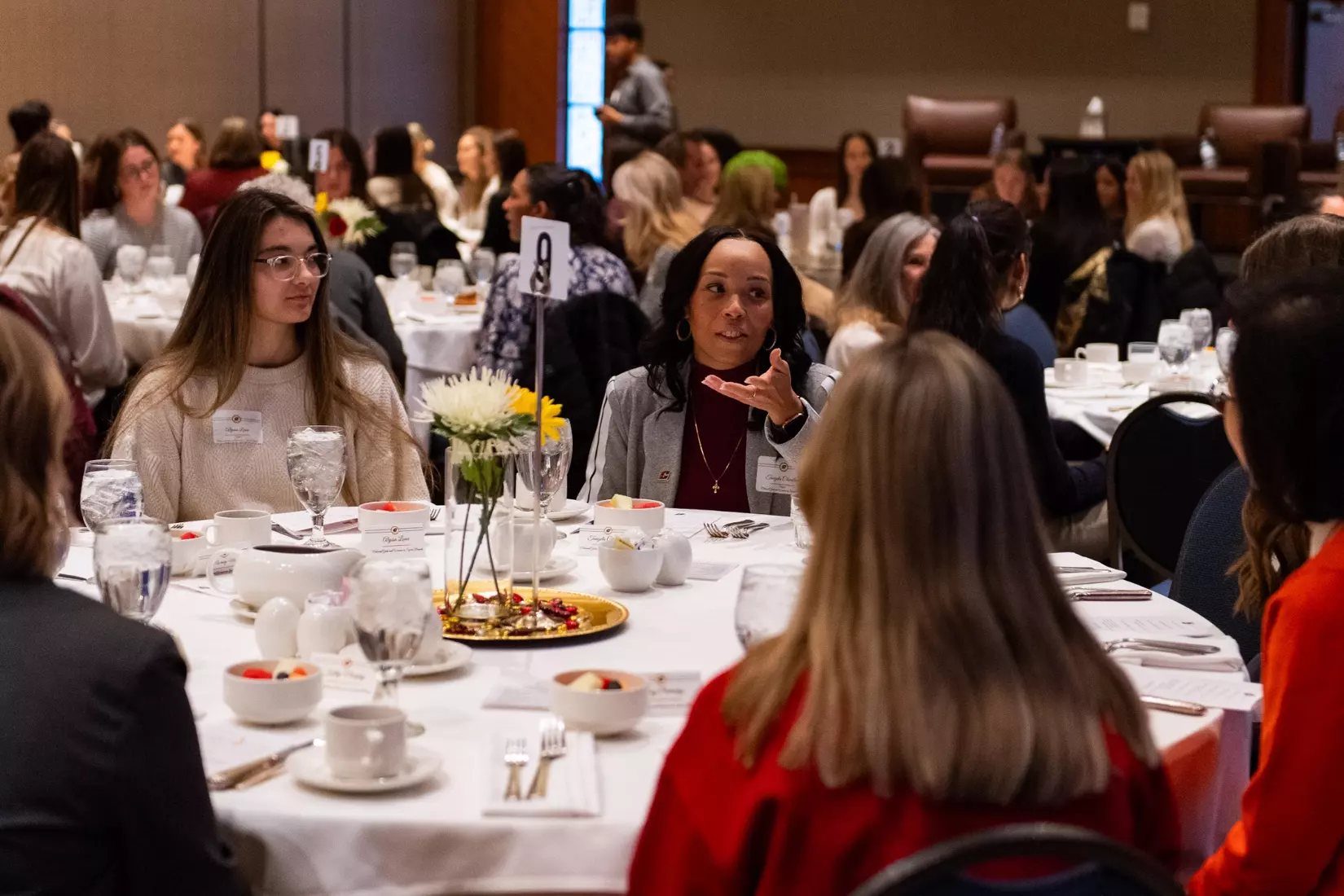
Photo by: Josie Ransley '25,M'27 - @josieransmedia
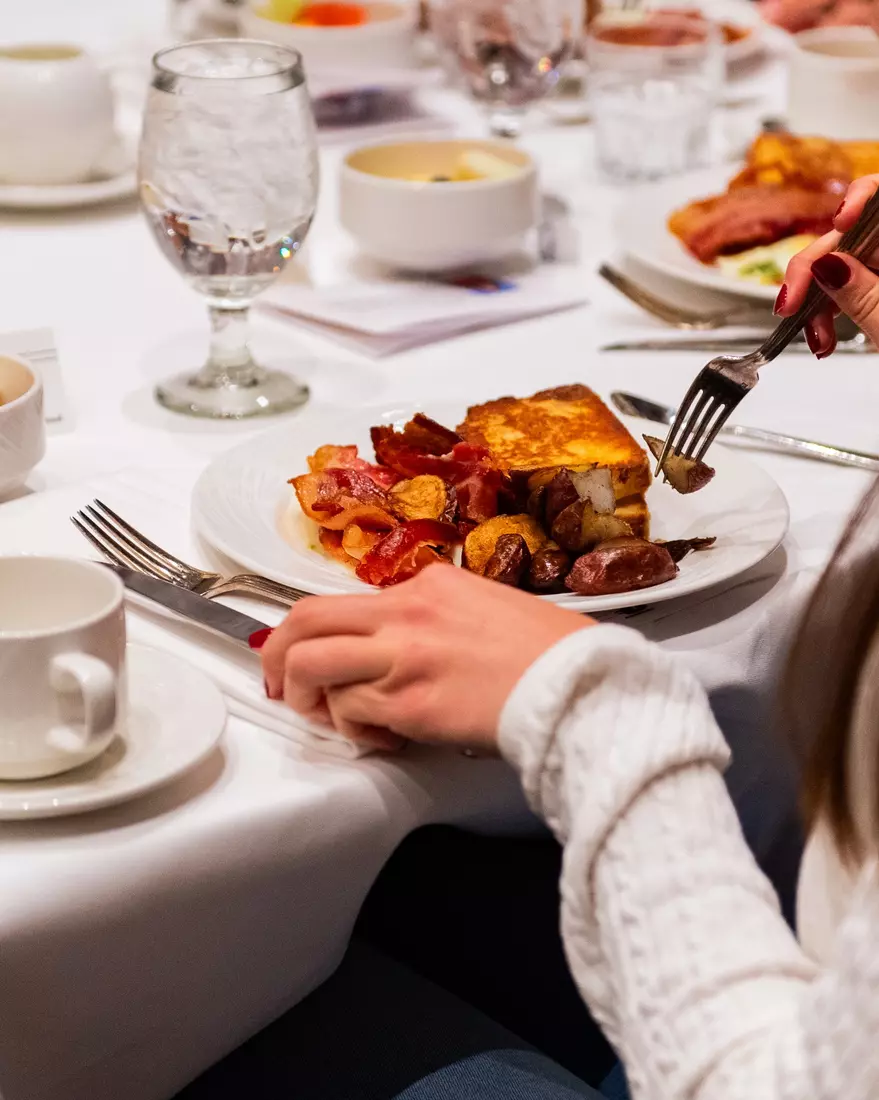
Photo by: Josie Ransley '25,M'27 - @josieransmedia
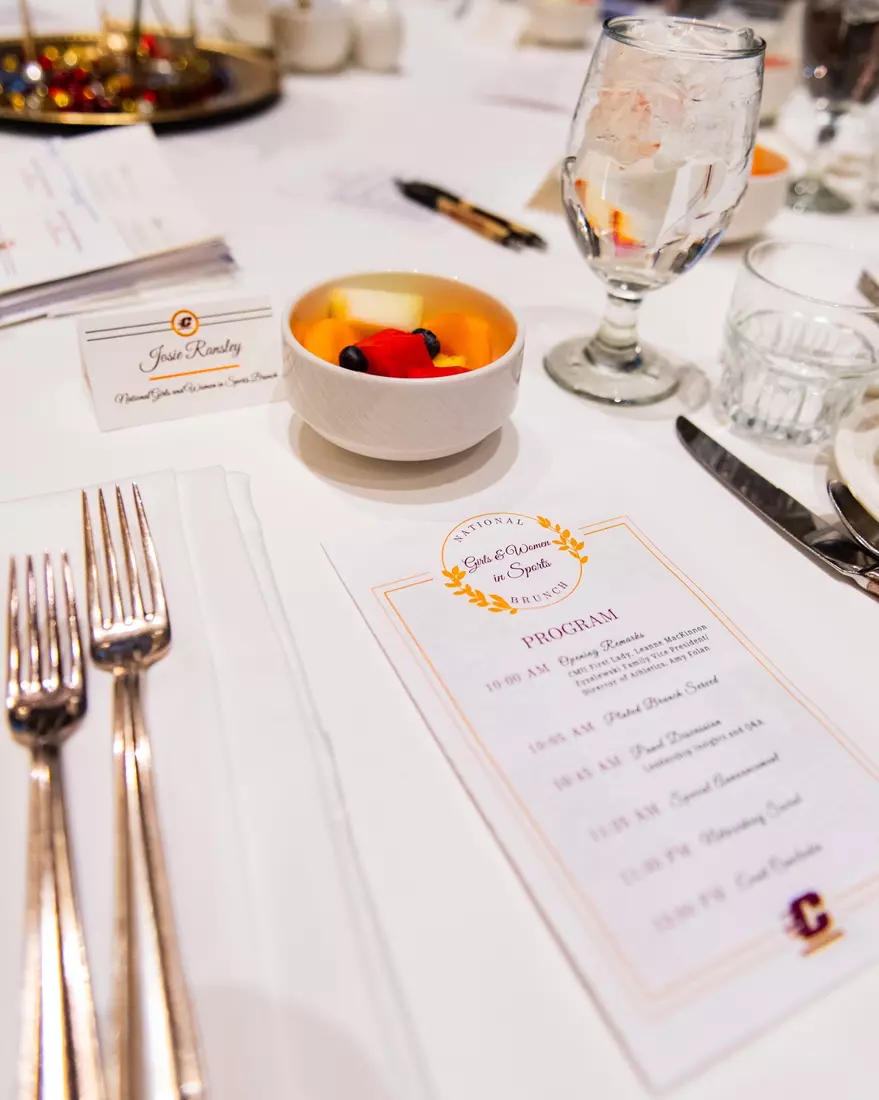
Photo by: Josie Ransley '25,M'27 - @josieransmedia
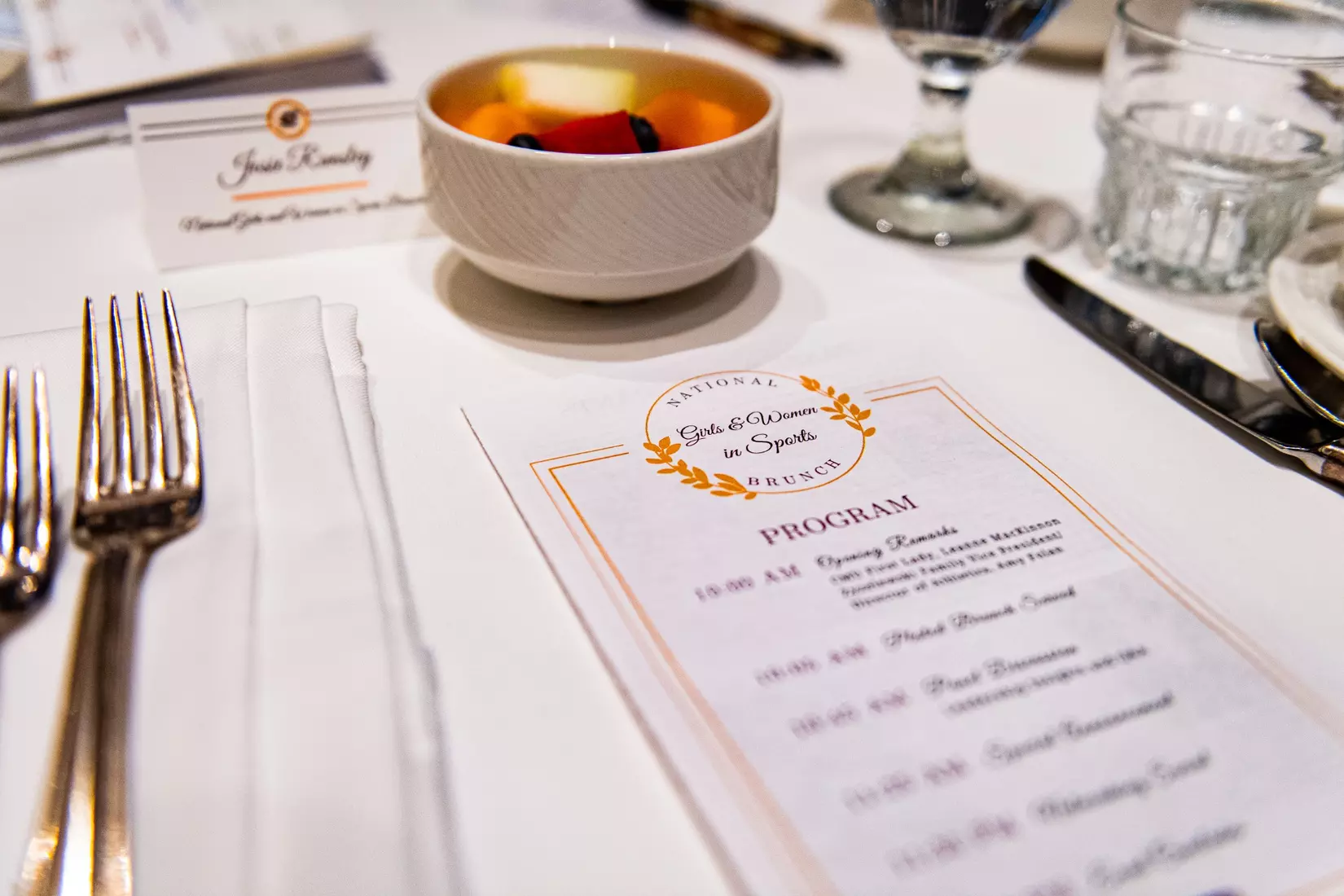
Photo by: Josie Ransley '25,M'27 - @josieransmedia
Photo by: Josie Ransley '25,M'27 - @josieransmedia
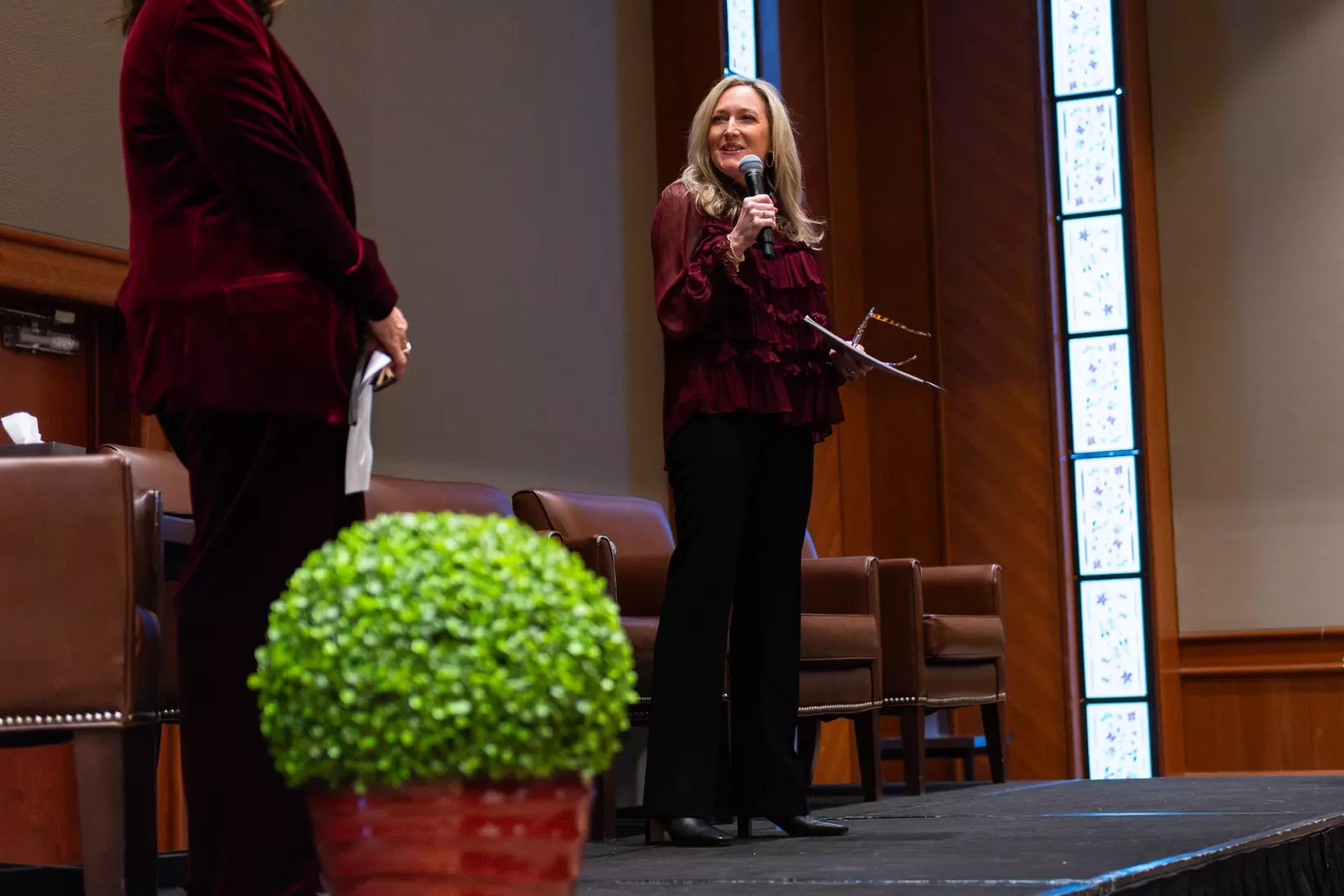
Photo by: Josie Ransley '25,M'27 - @josieransmedia
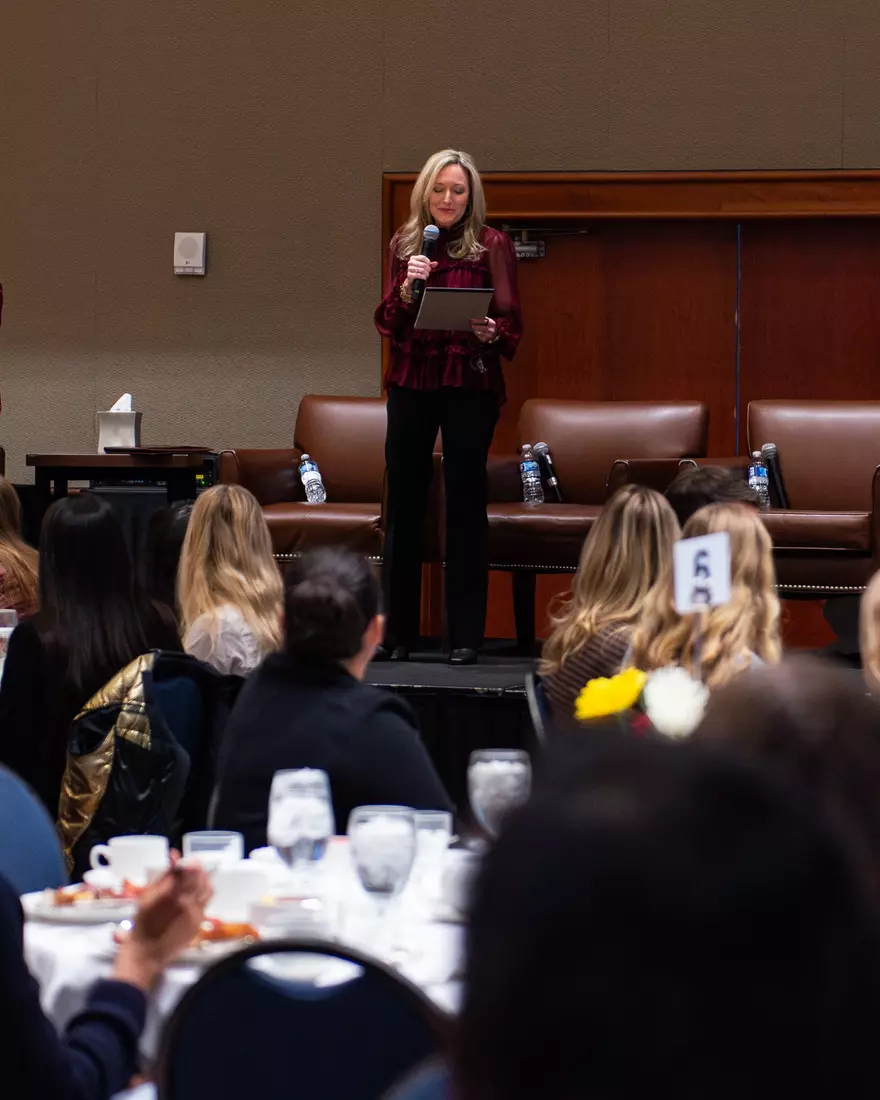
Photo by: Josie Ransley '25,M'27 - @josieransmedia
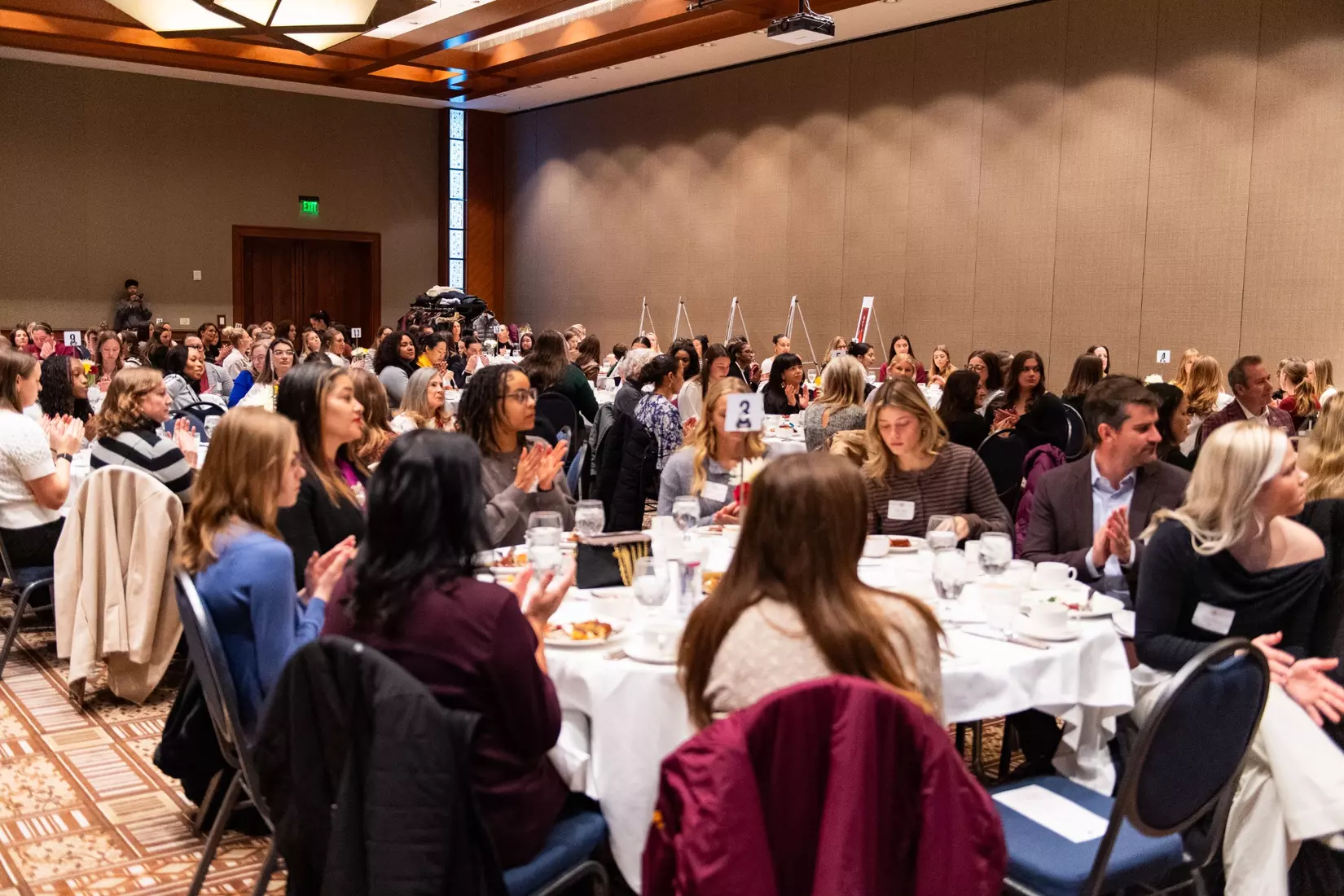
Photo by: Josie Ransley '25,M'27 - @josieransmedia
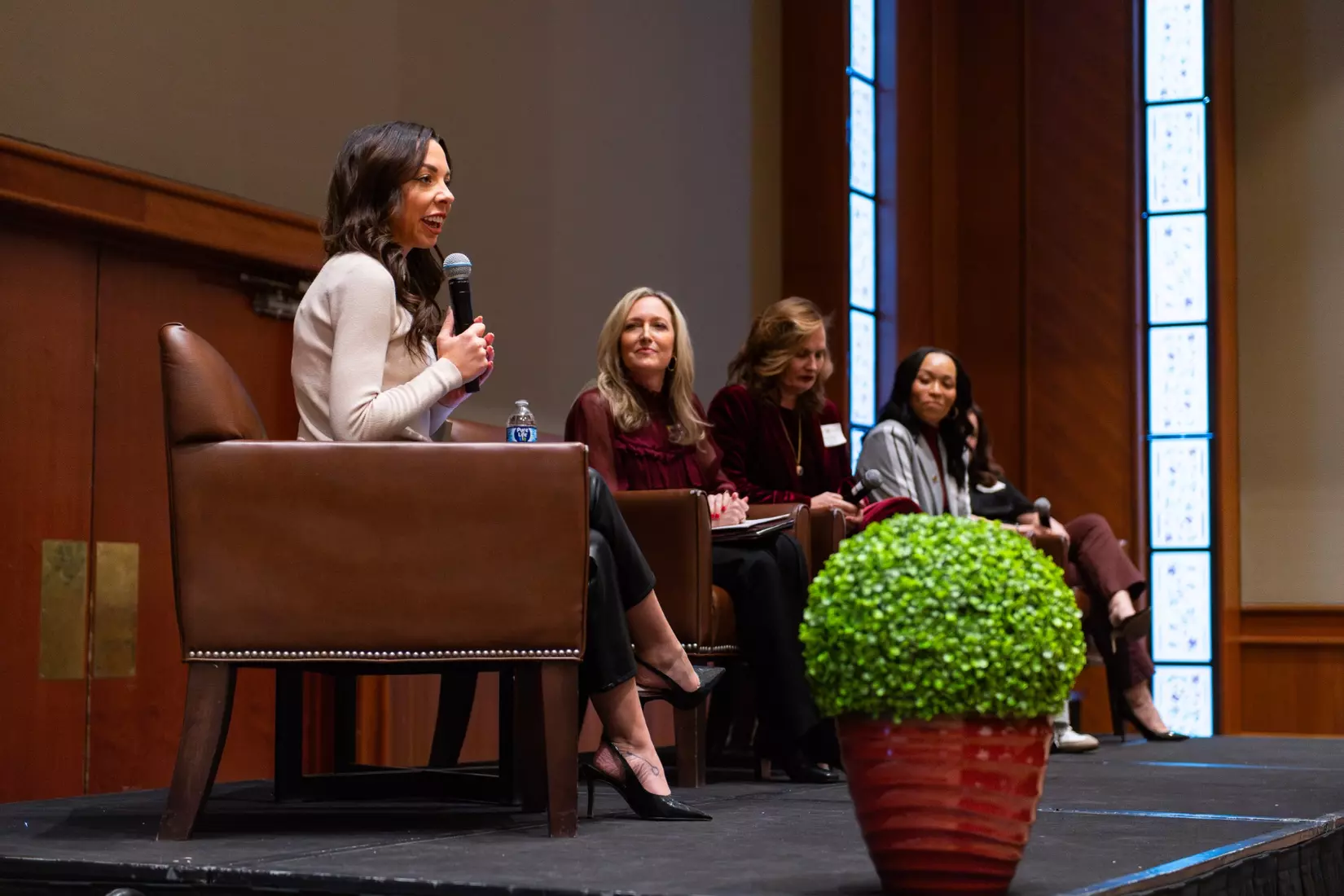
Photo by: Josie Ransley '25,M'27 - @josieransmedia
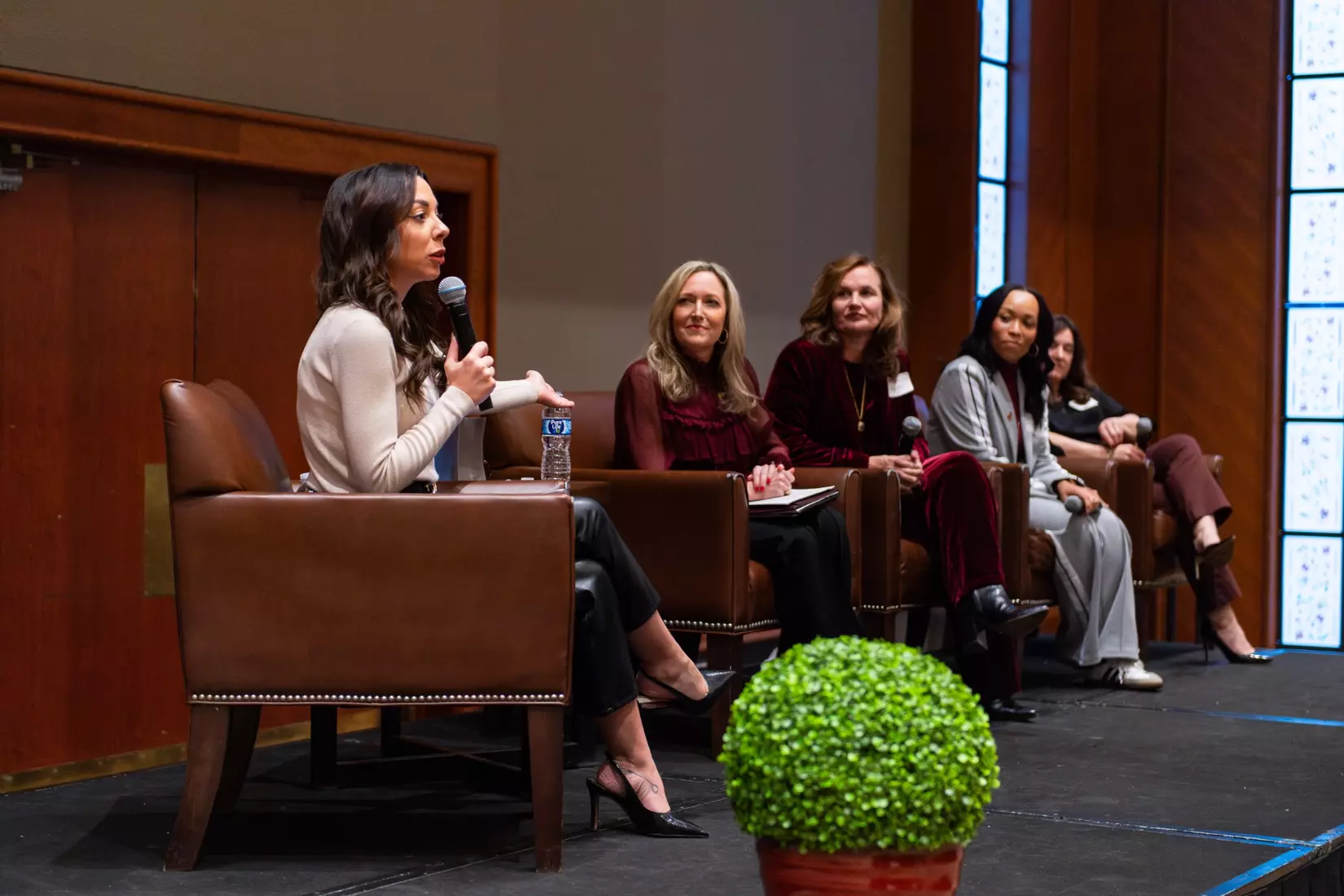
Photo by: Josie Ransley '25,M'27 - @josieransmedia
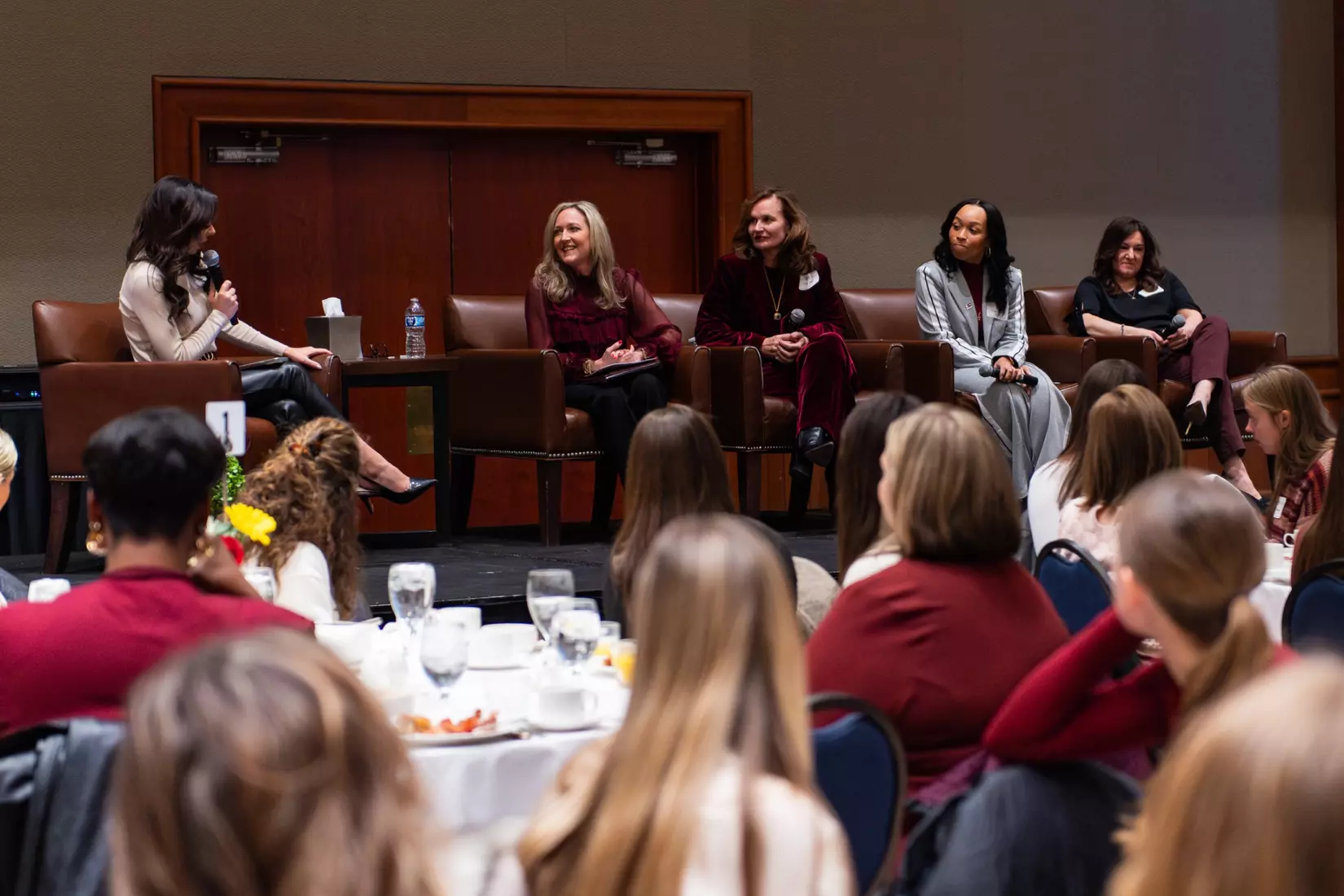
Photo by: Josie Ransley '25,M'27 - @josieransmedia
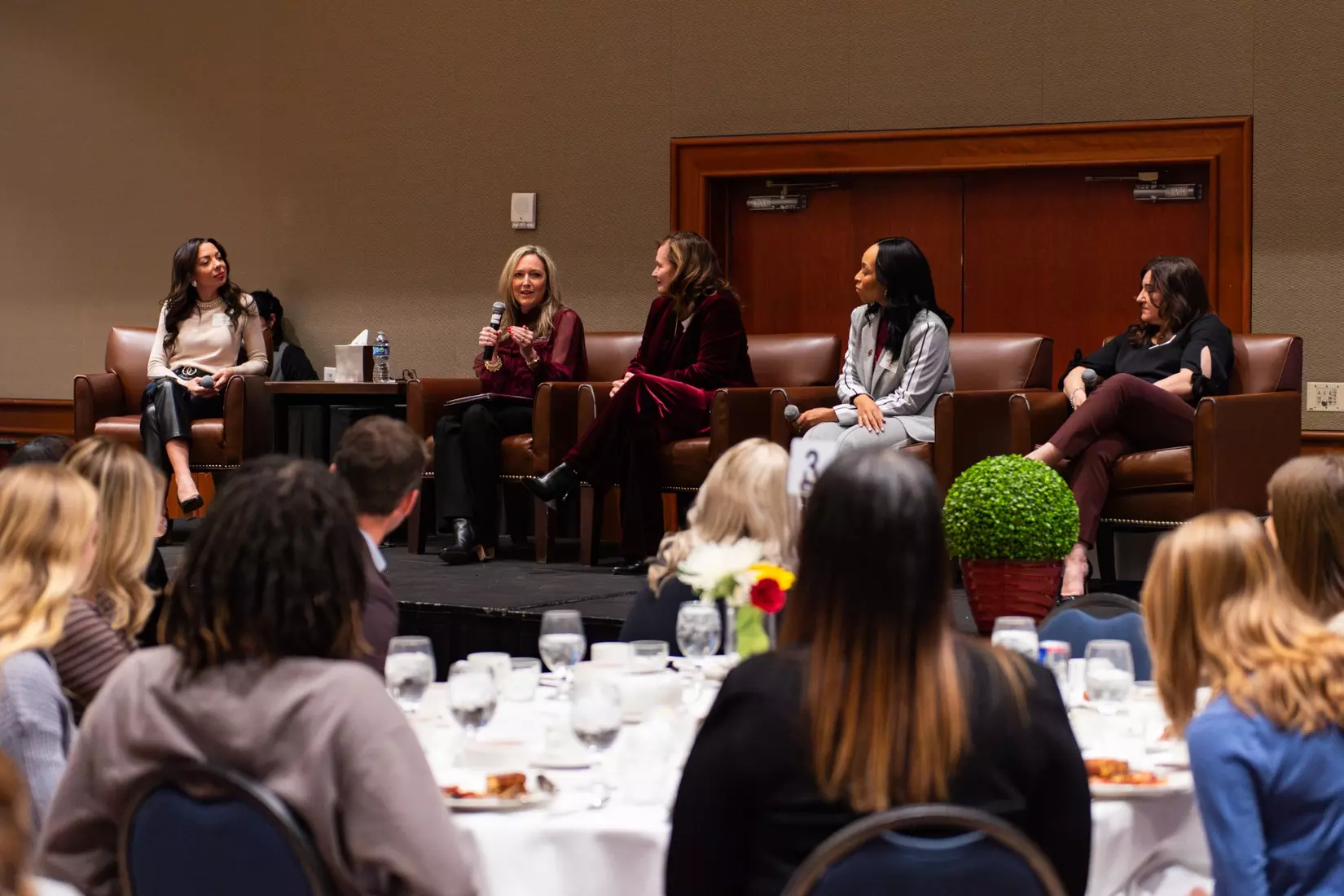
Photo by: Josie Ransley '25,M'27 - @josieransmedia
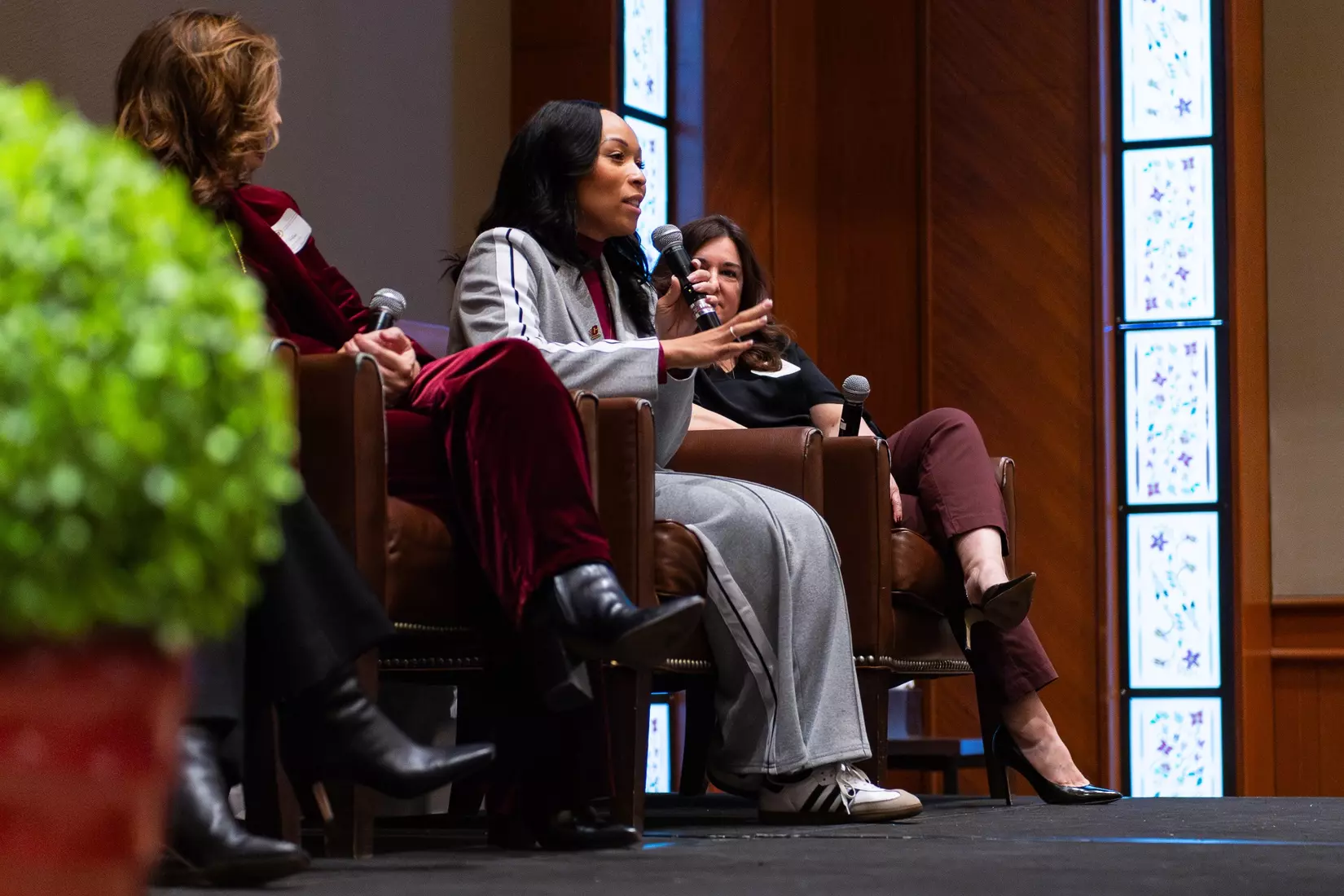
Photo by: Josie Ransley '25,M'27 - @josieransmedia
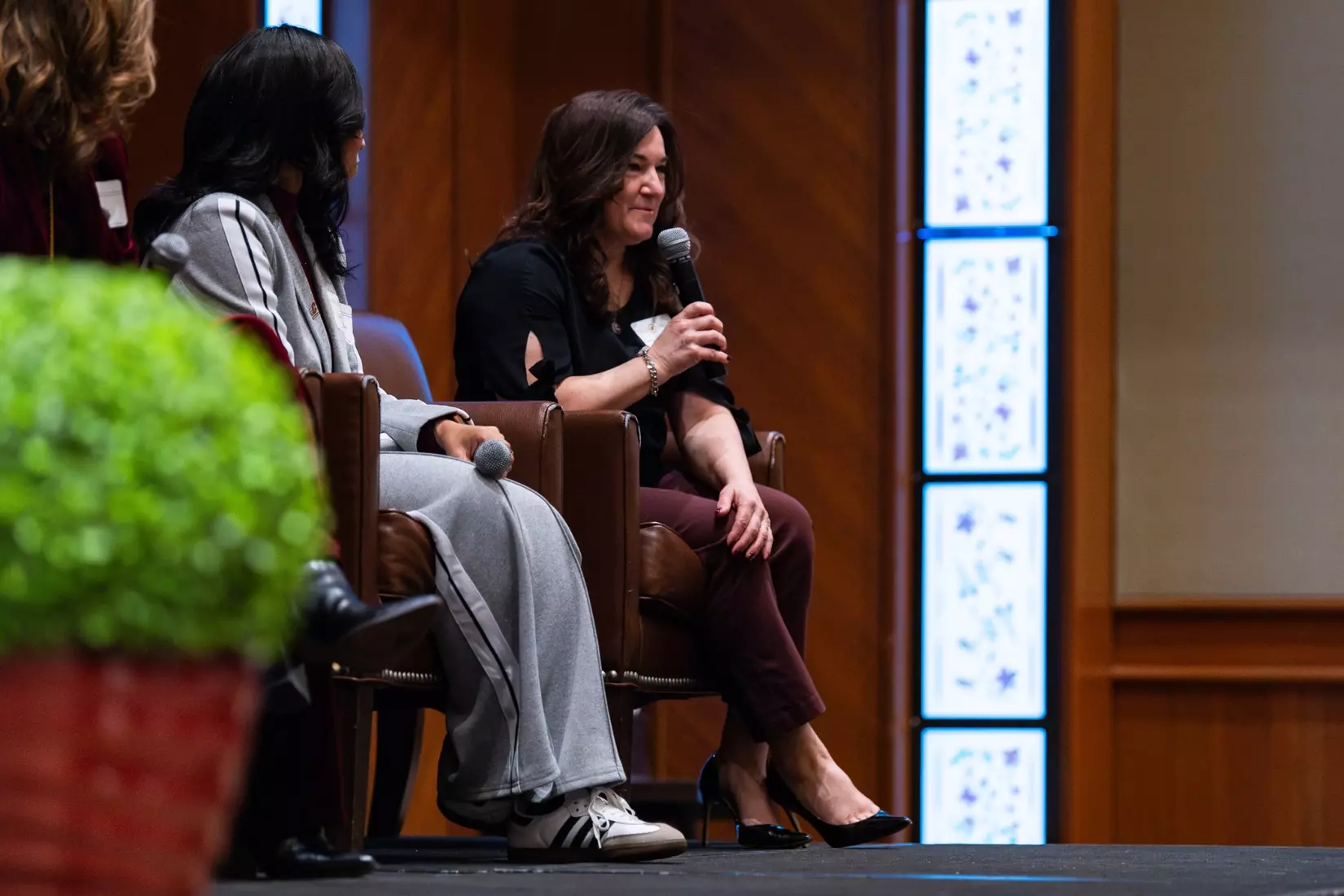
Photo by: Josie Ransley '25,M'27 - @josieransmedia
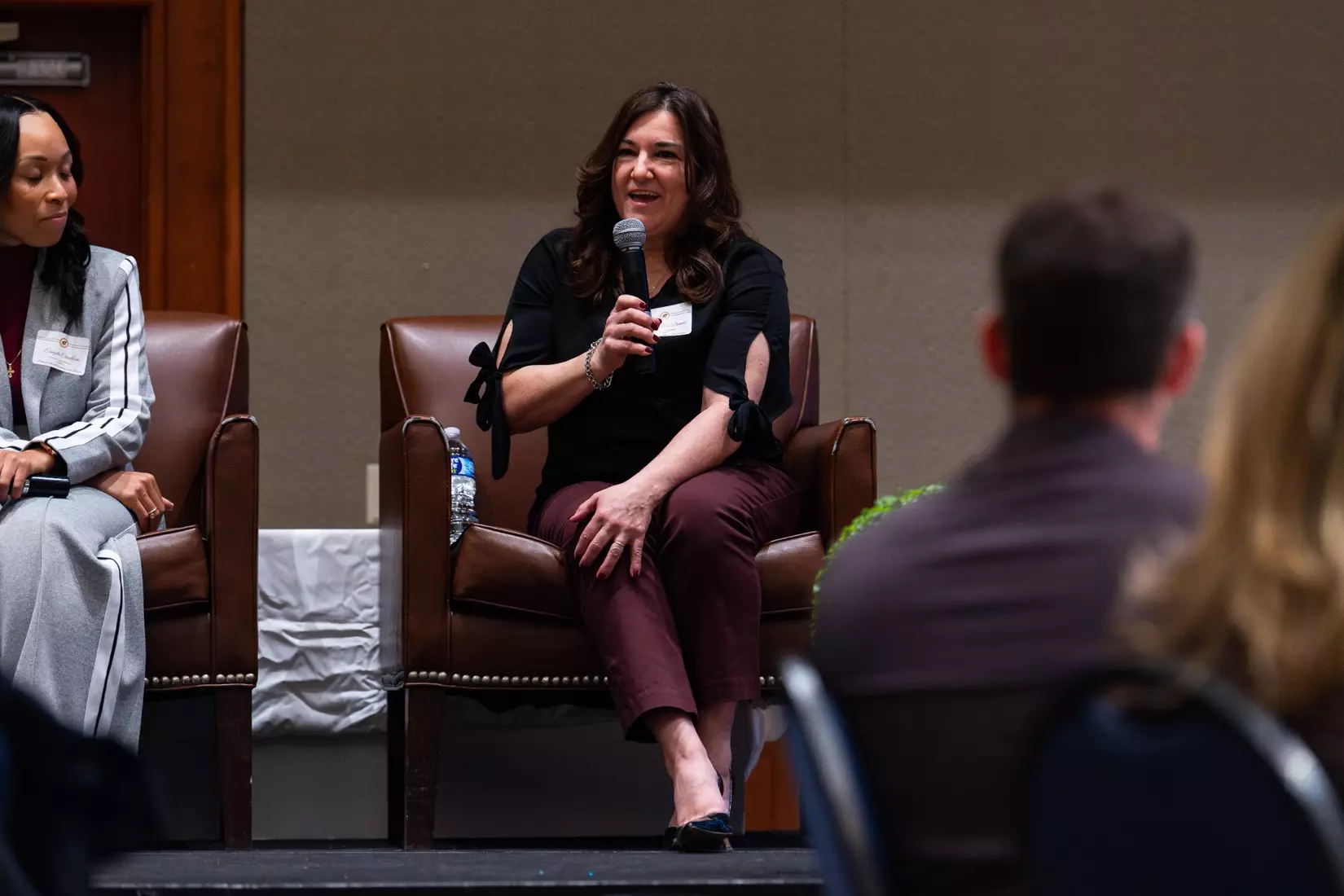
Photo by: Josie Ransley '25,M'27 - @josieransmedia
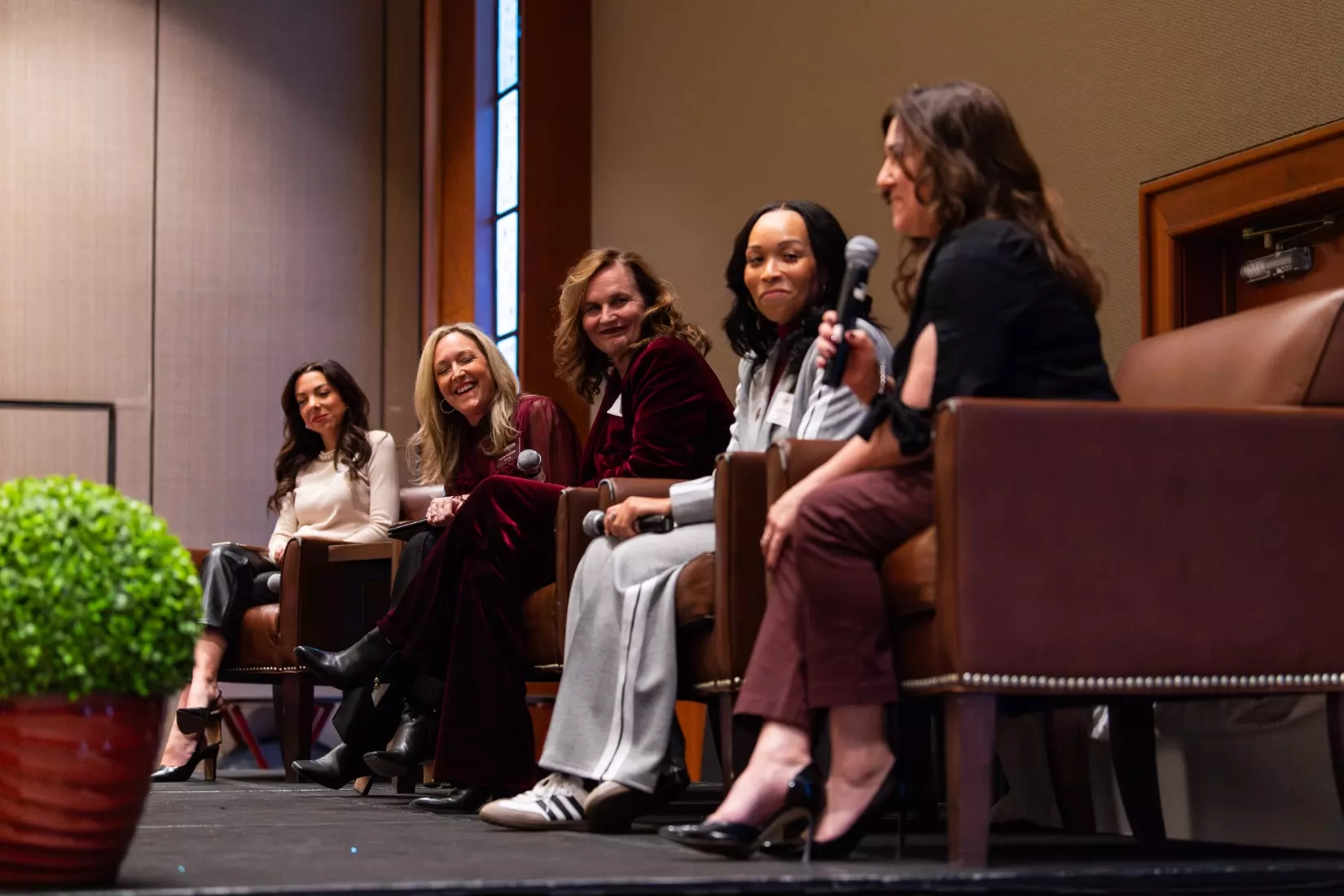
Photo by: Josie Ransley '25,M'27 - @josieransmedia
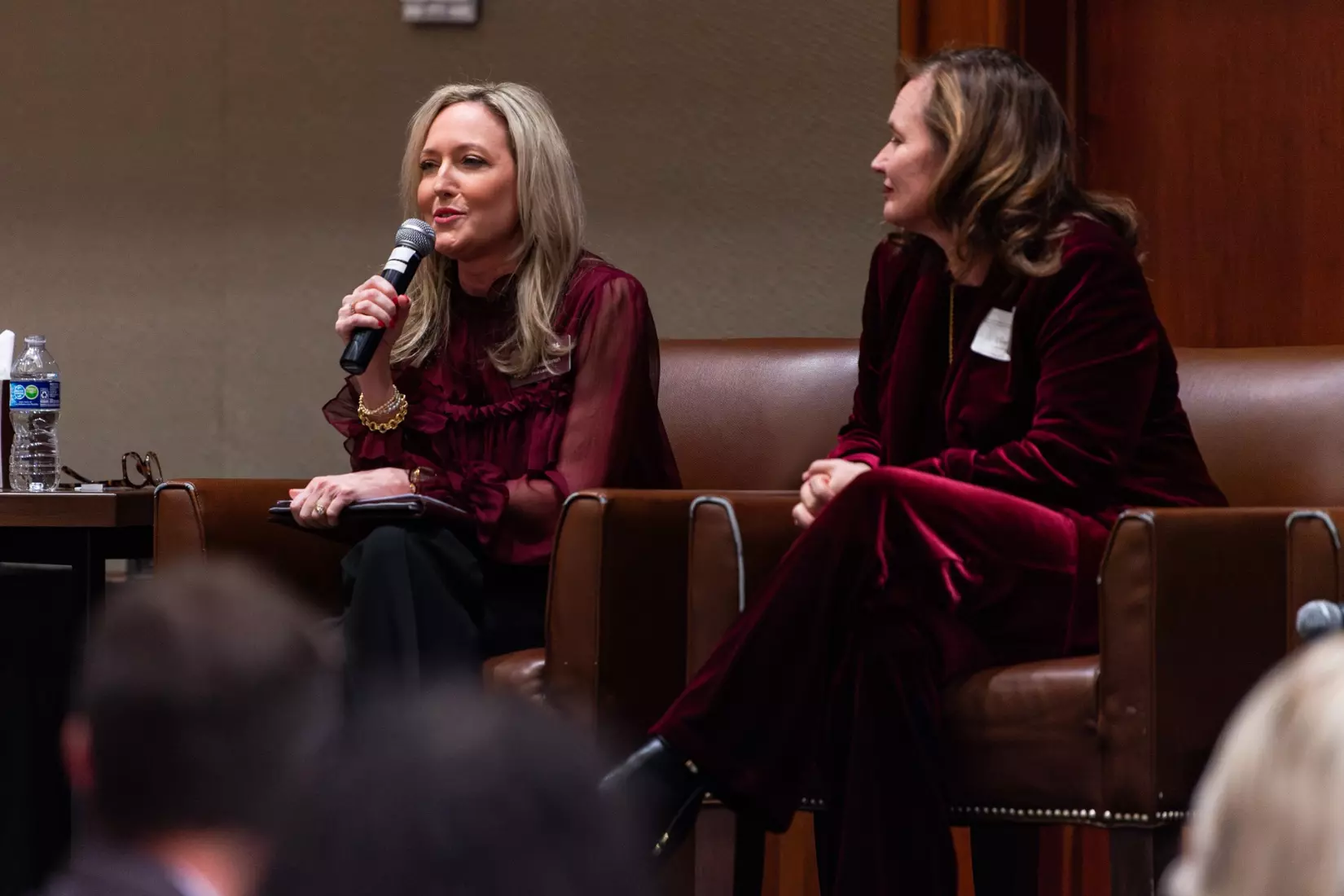
Photo by: Josie Ransley '25,M'27 - @josieransmedia
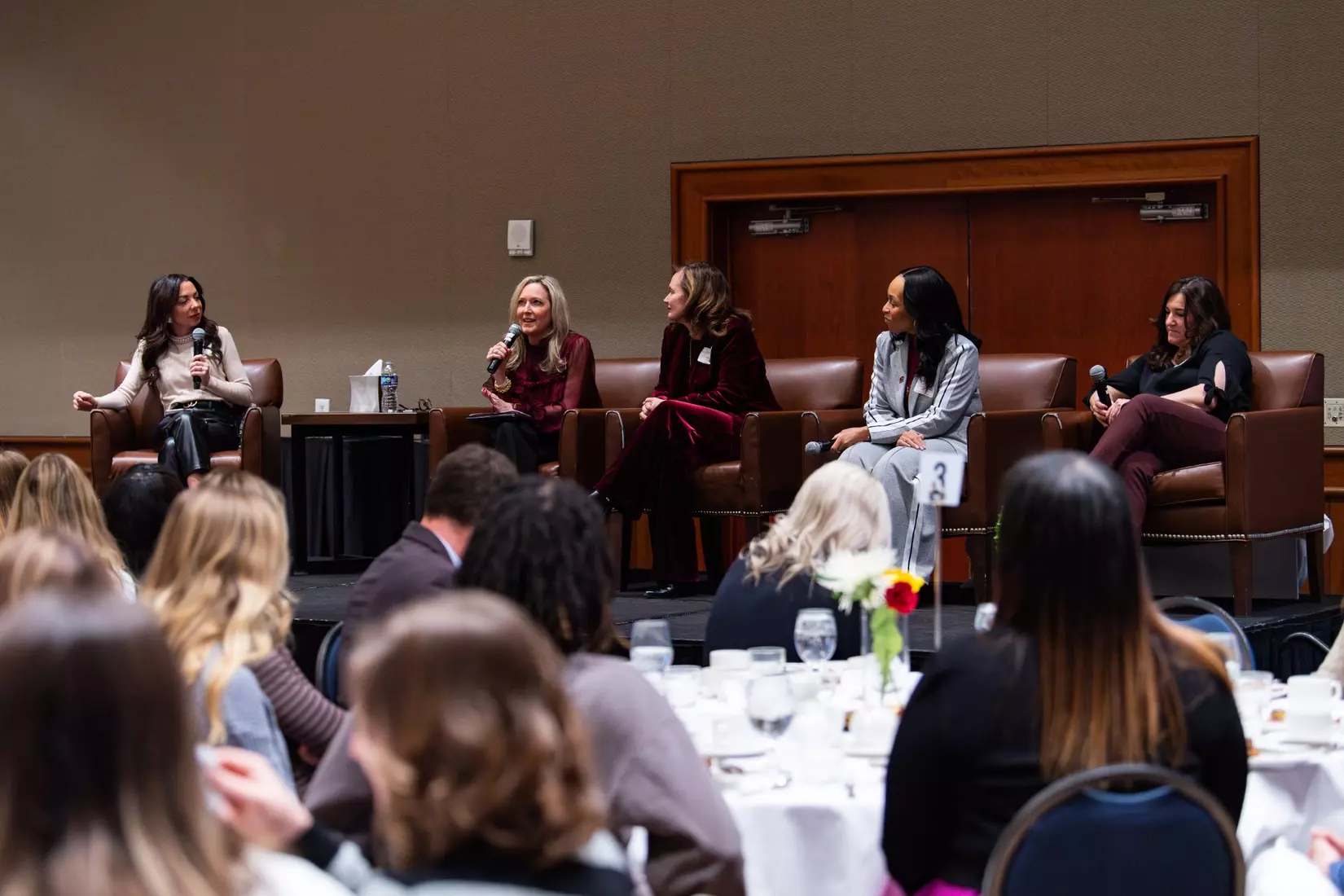
Photo by: Josie Ransley '25,M'27 - @josieransmedia
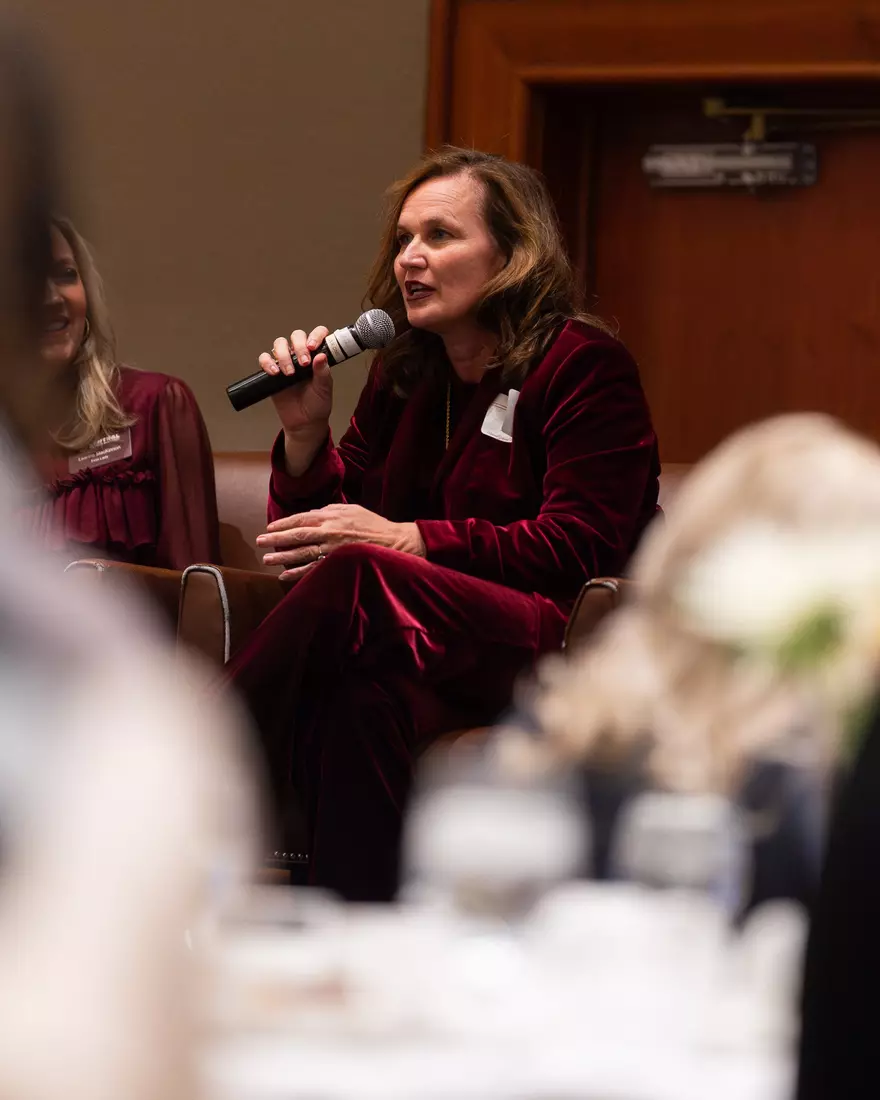
Photo by: Josie Ransley '25,M'27 - @josieransmedia
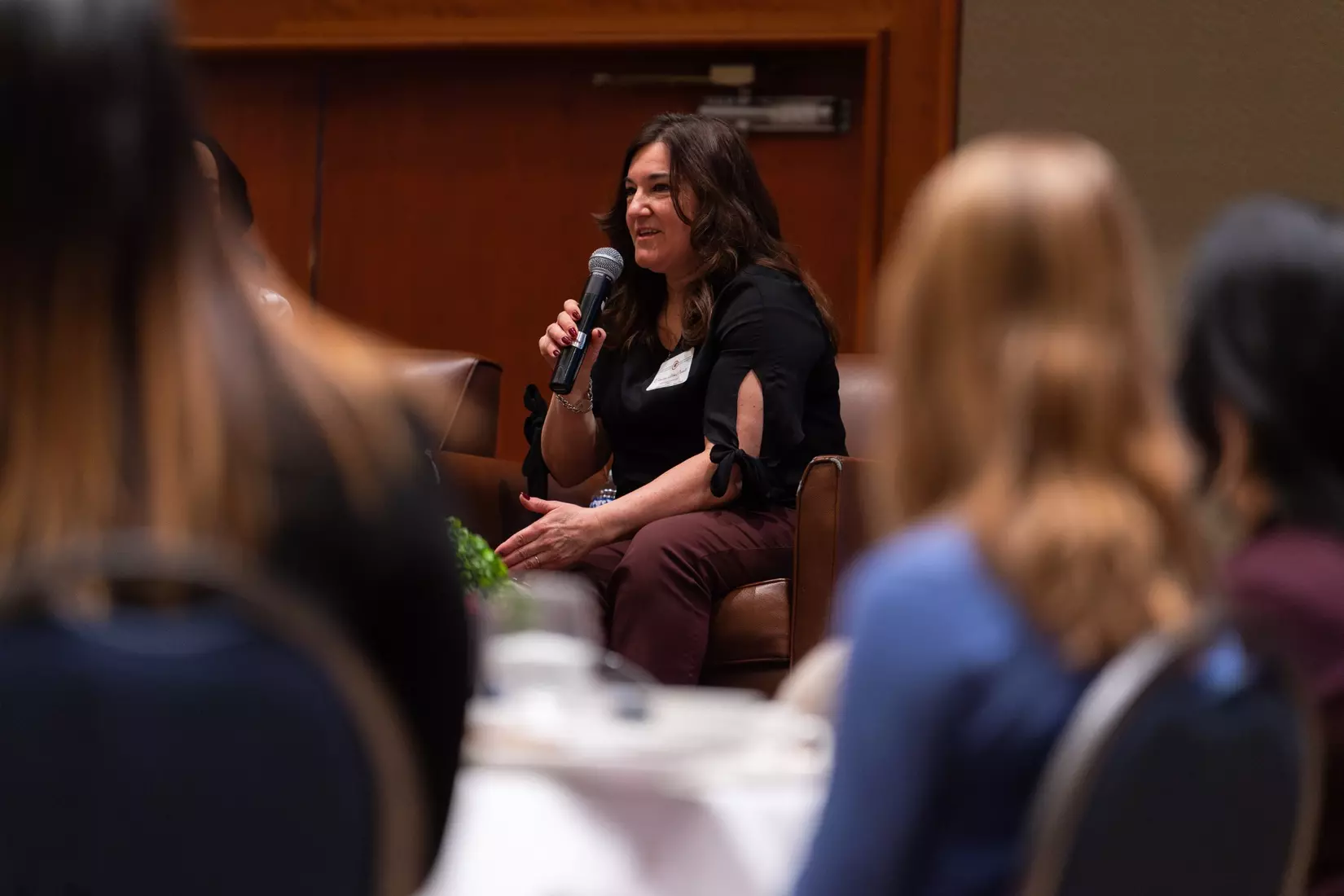
Photo by: Josie Ransley '25,M'27 - @josieransmedia
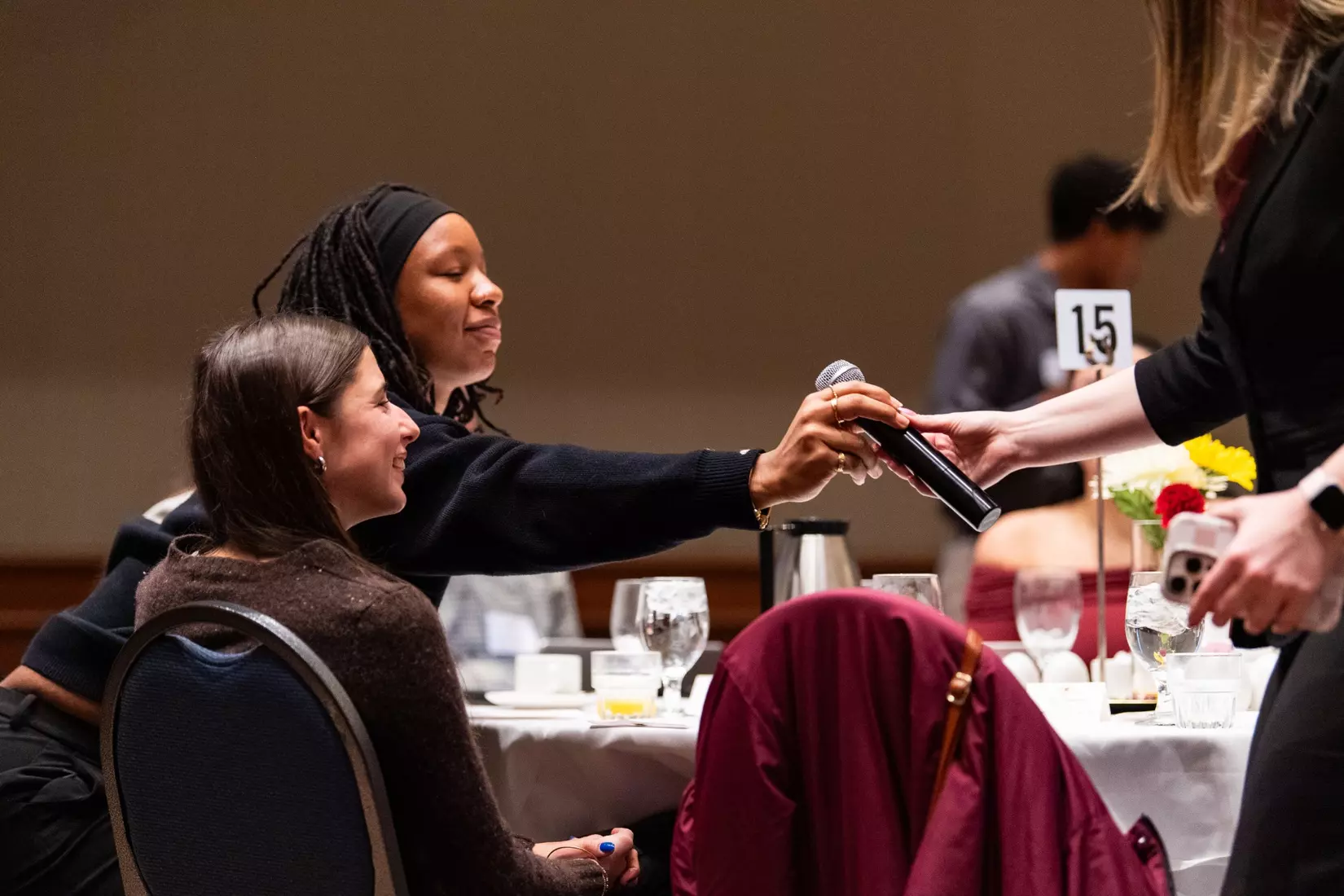
Photo by: Josie Ransley '25,M'27 - @josieransmedia
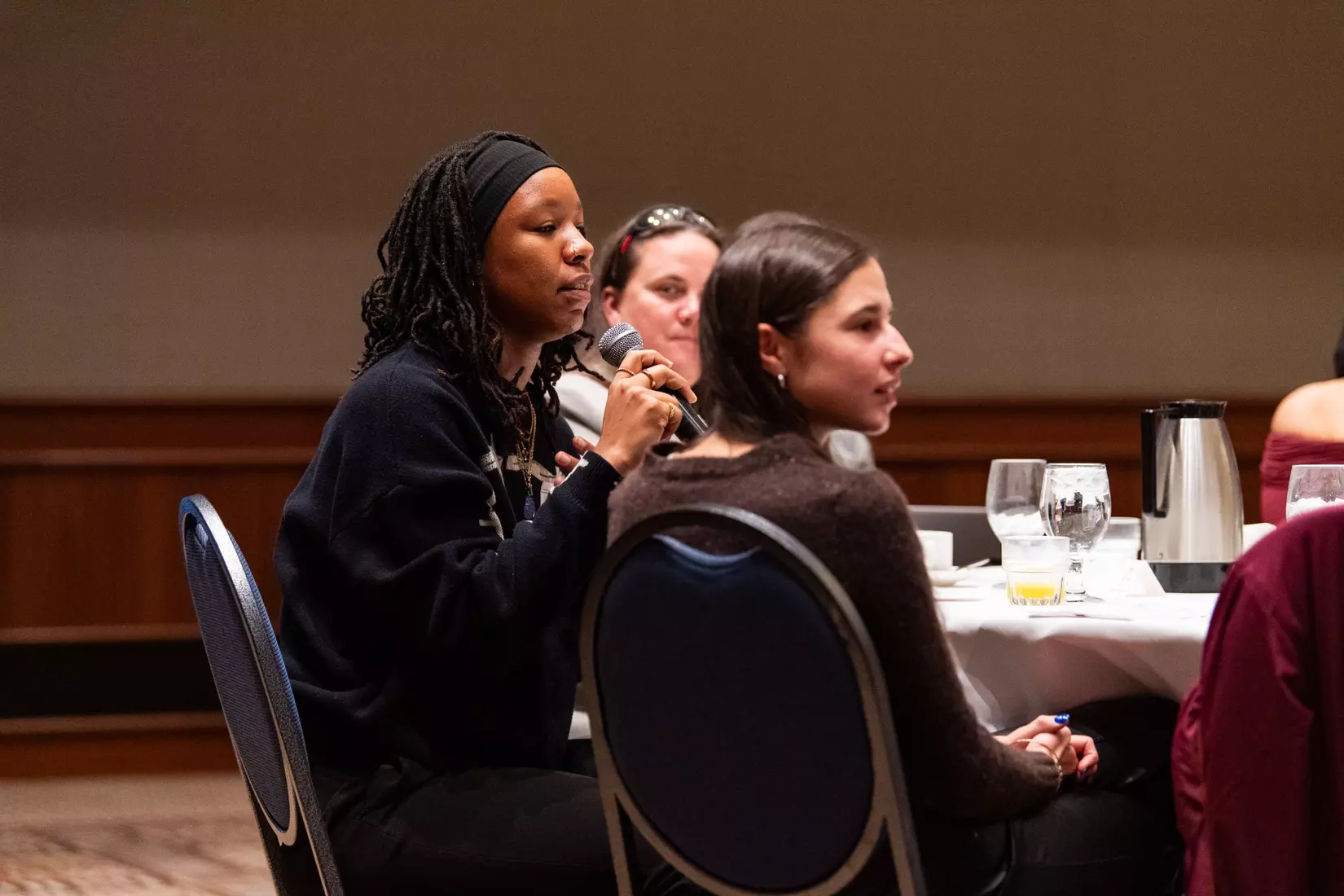
Photo by: Josie Ransley '25,M'27 - @josieransmedia
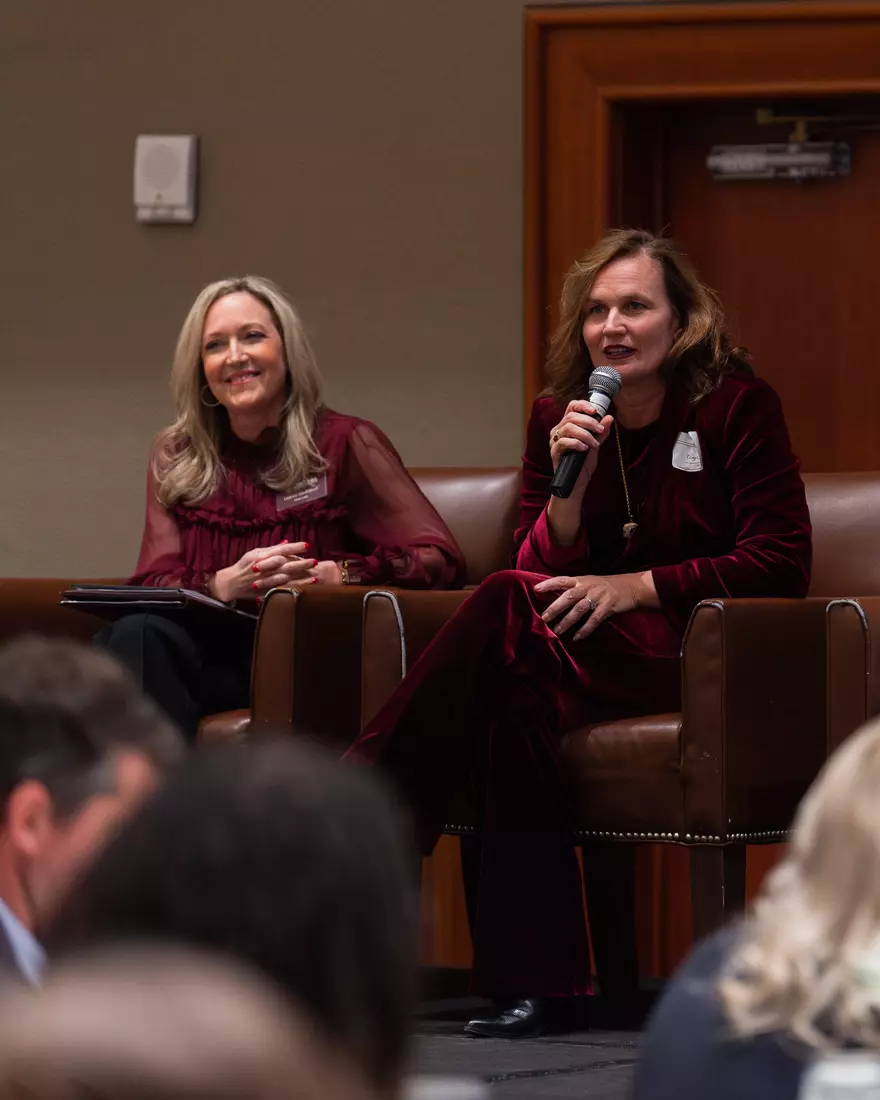
Photo by: Josie Ransley '25,M'27 - @josieransmedia
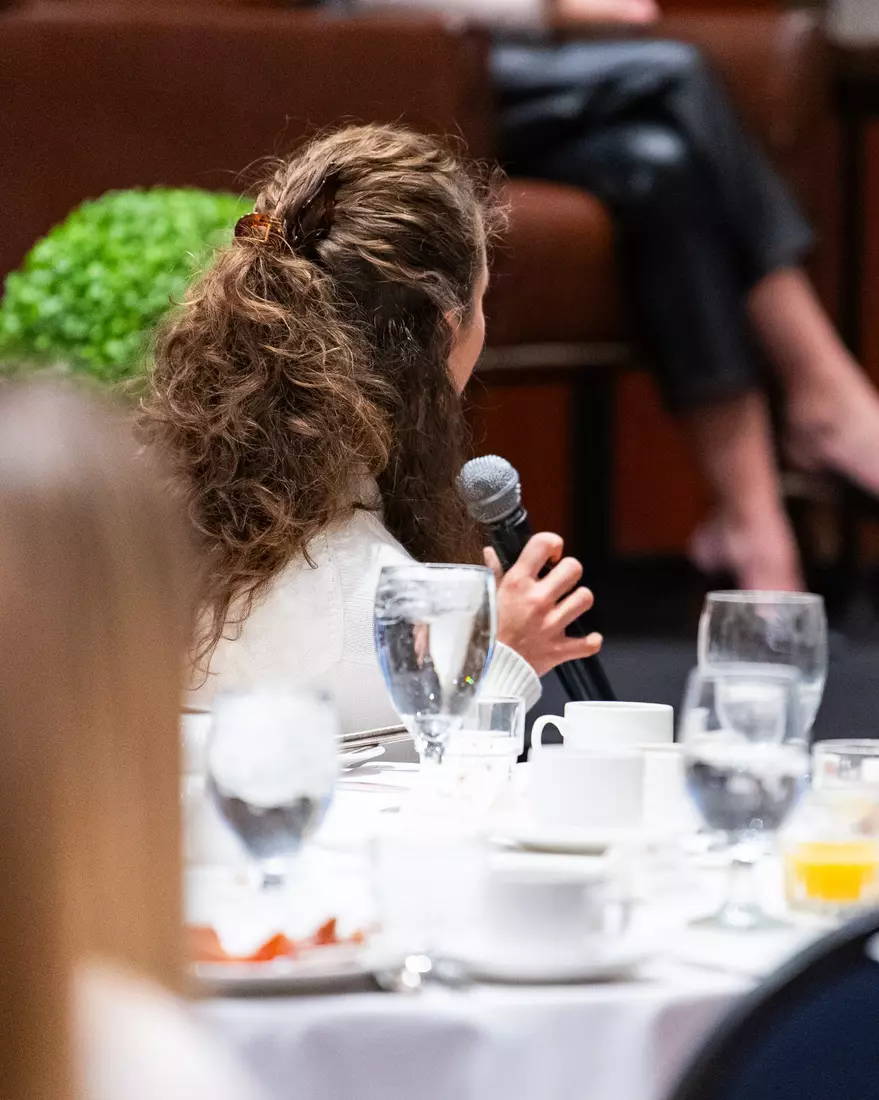
Photo by: Josie Ransley '25,M'27 - @josieransmedia
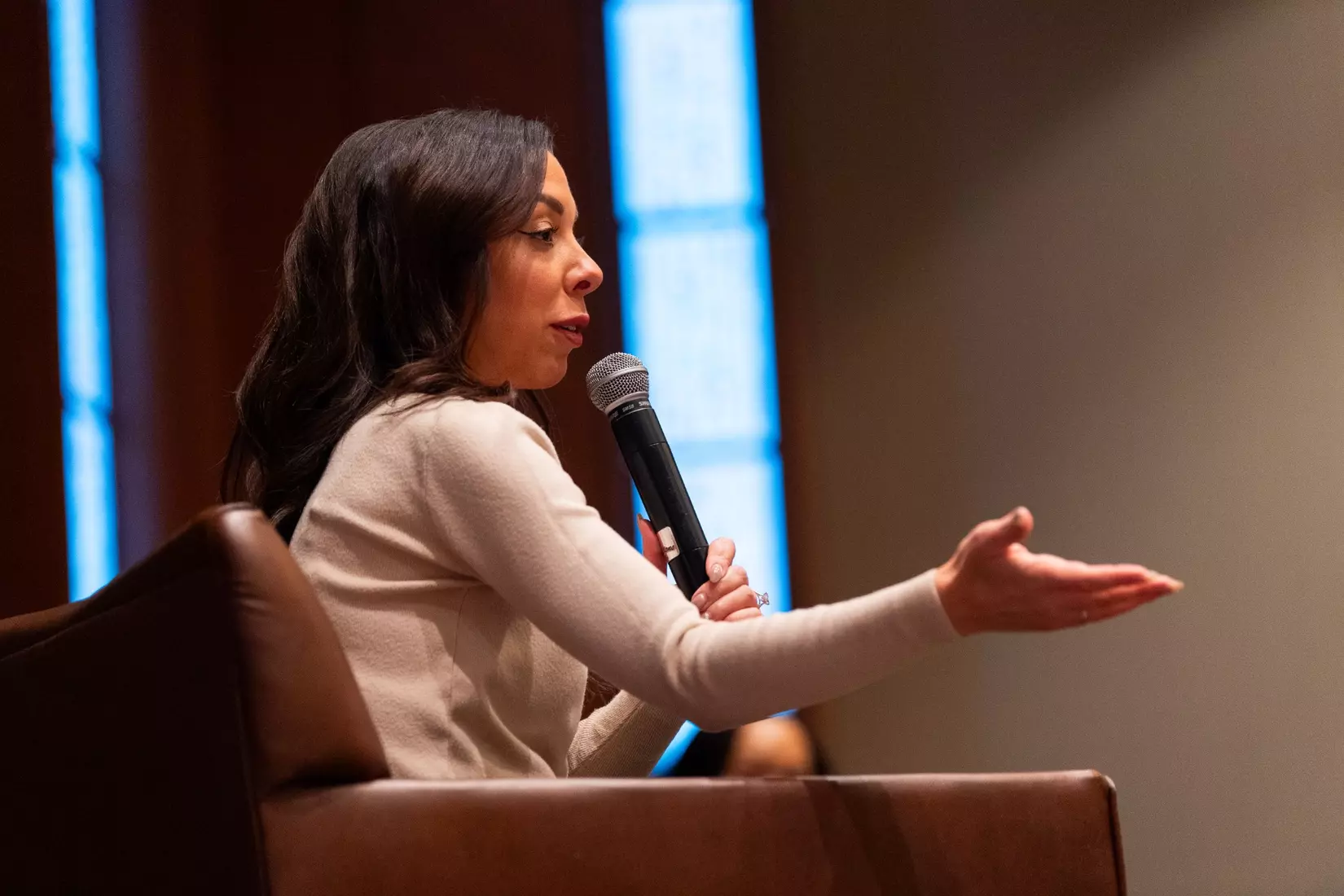
Photo by: Josie Ransley '25,M'27 - @josieransmedia
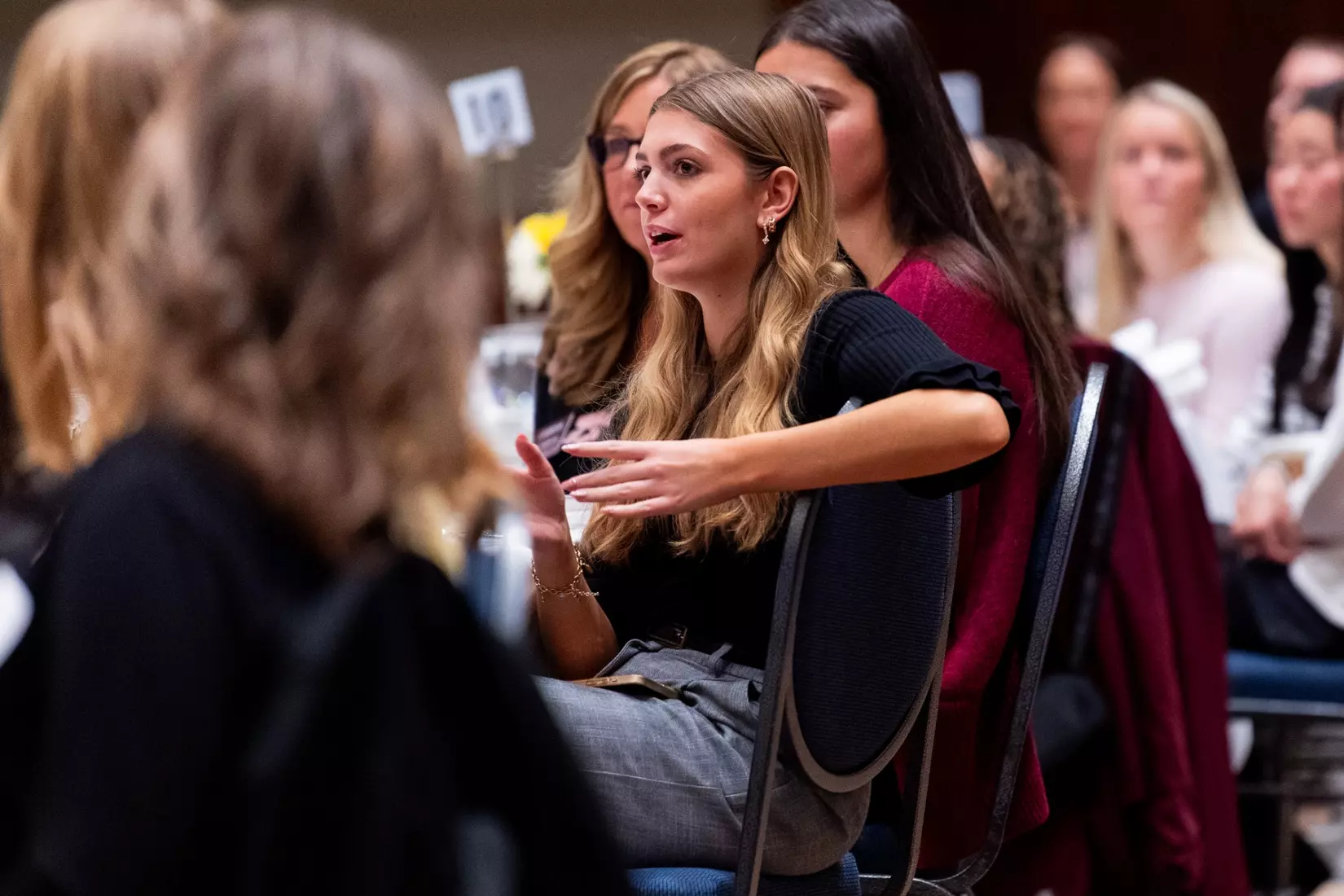
Photo by: Josie Ransley '25,M'27 - @josieransmedia
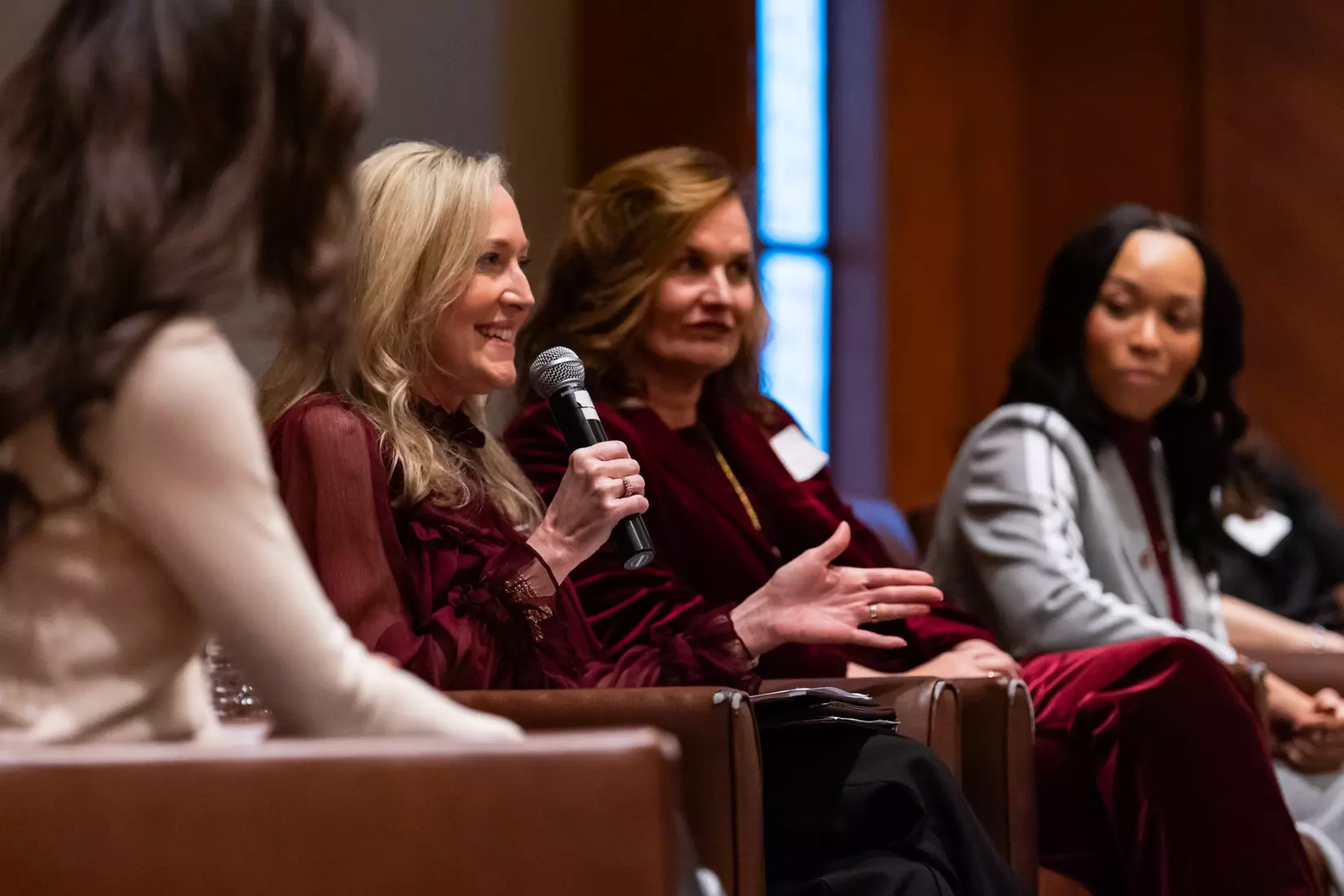
Photo by: Josie Ransley '25,M'27 - @josieransmedia
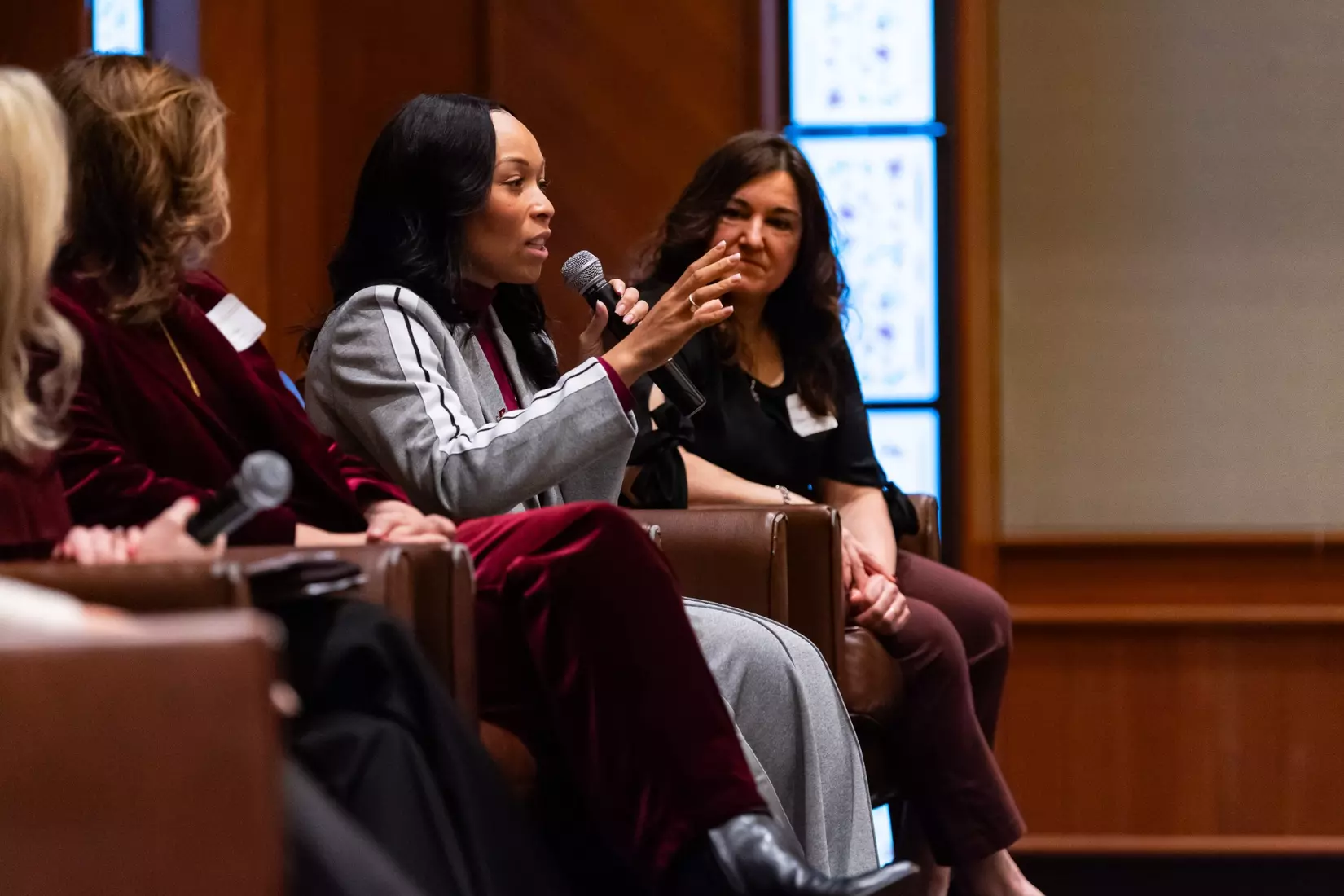
Photo by: Josie Ransley '25,M'27 - @josieransmedia
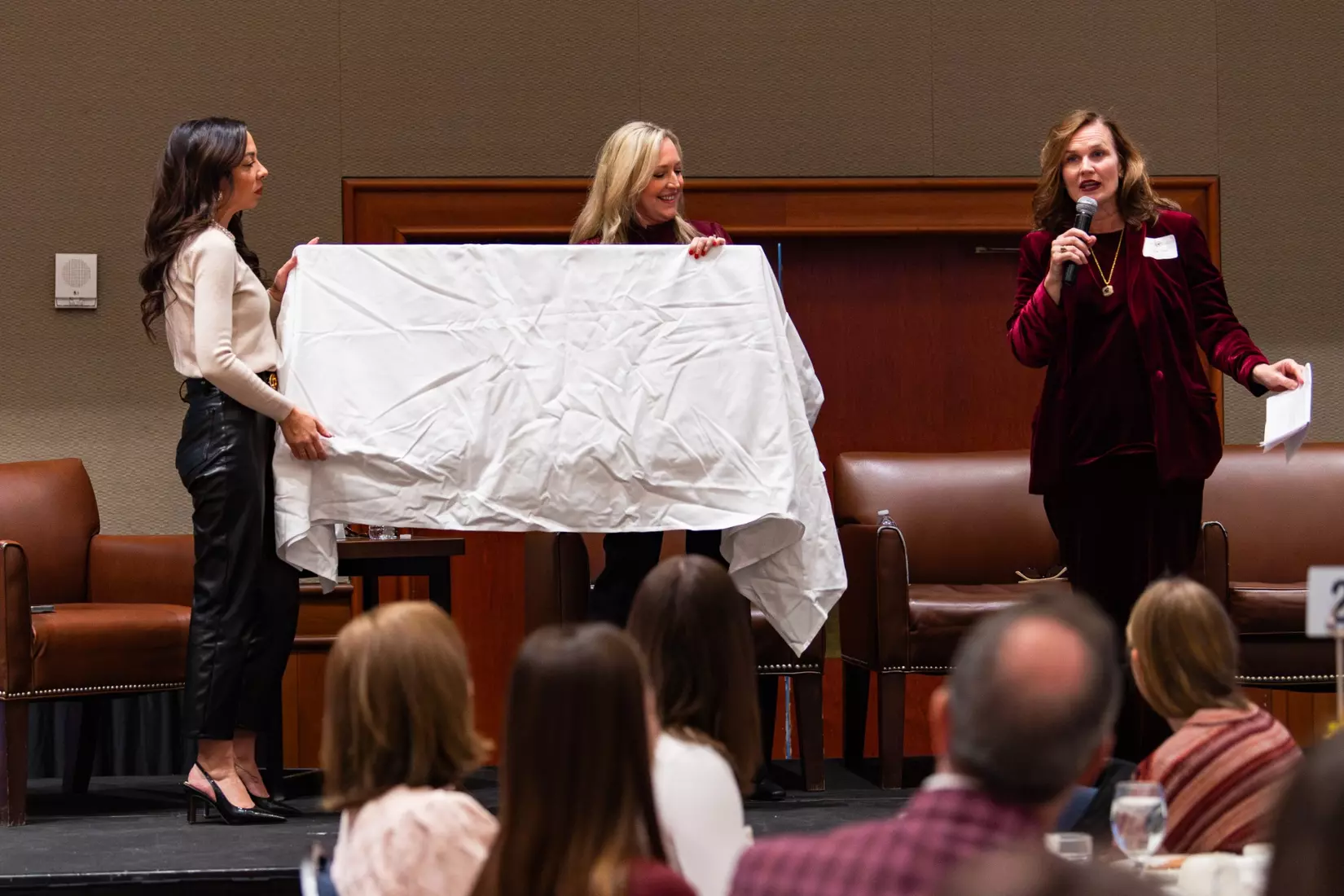
Photo by: Josie Ransley '25,M'27 - @josieransmedia
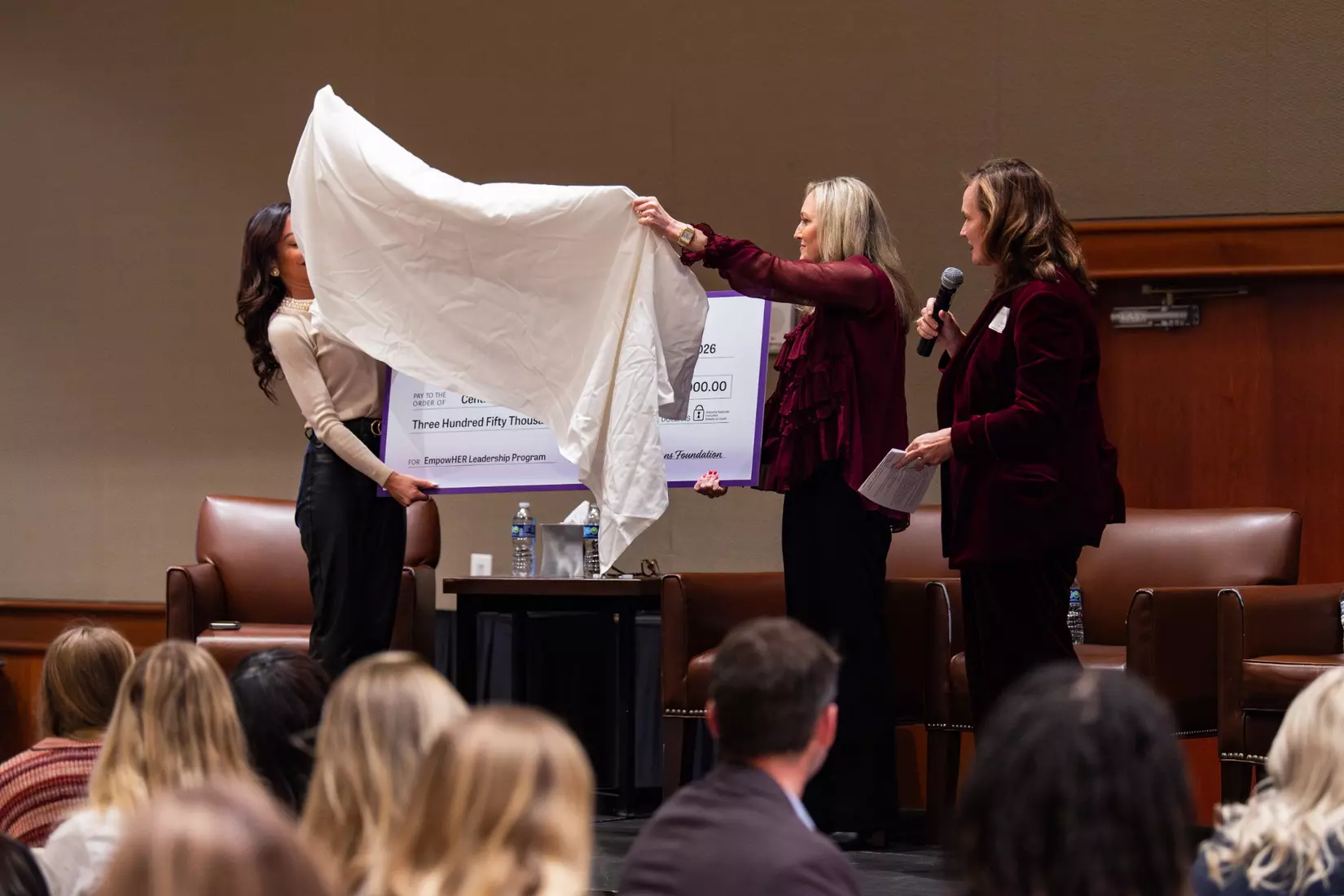
Photo by: Josie Ransley '25,M'27 - @josieransmedia
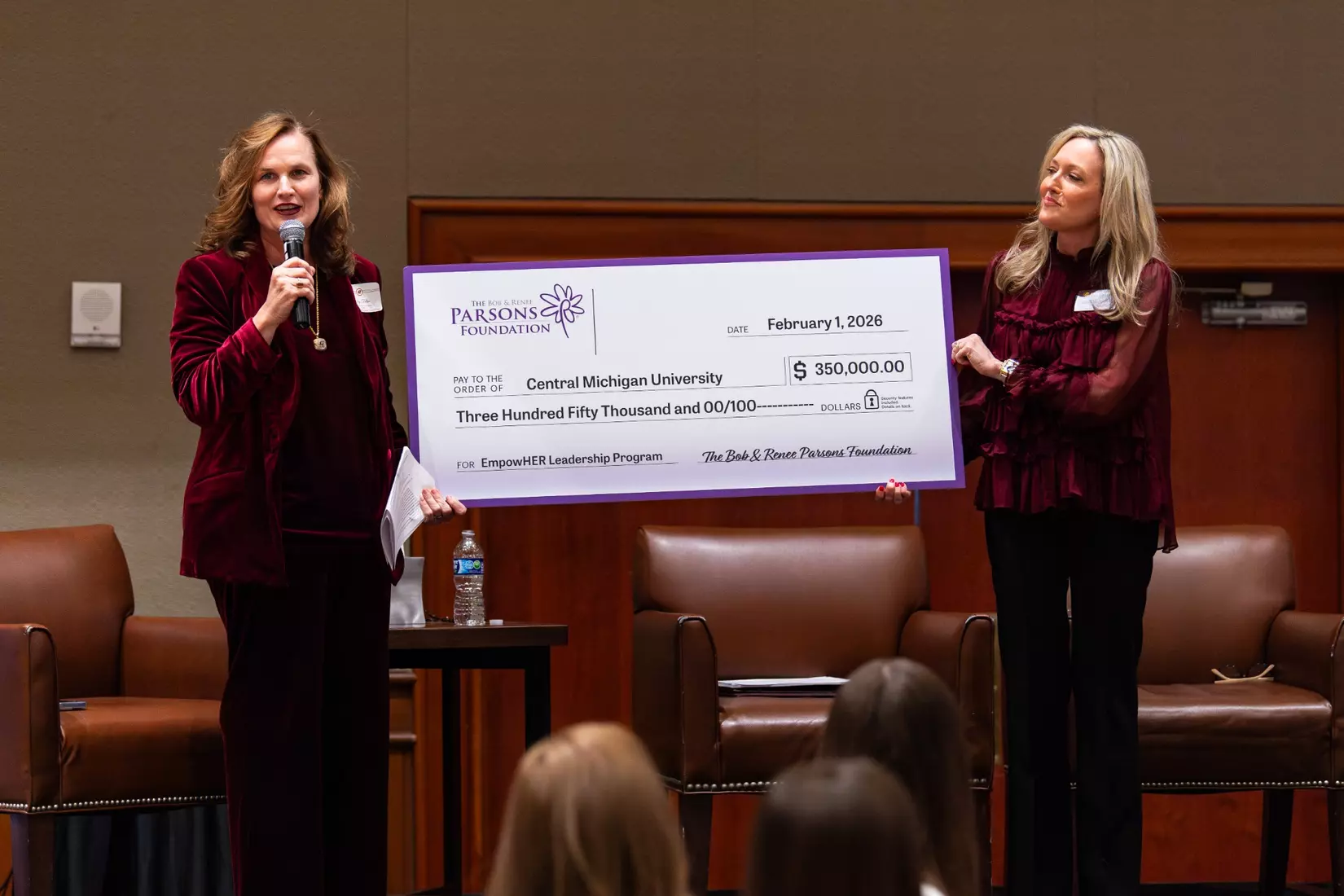
Photo by: Josie Ransley '25,M'27 - @josieransmedia
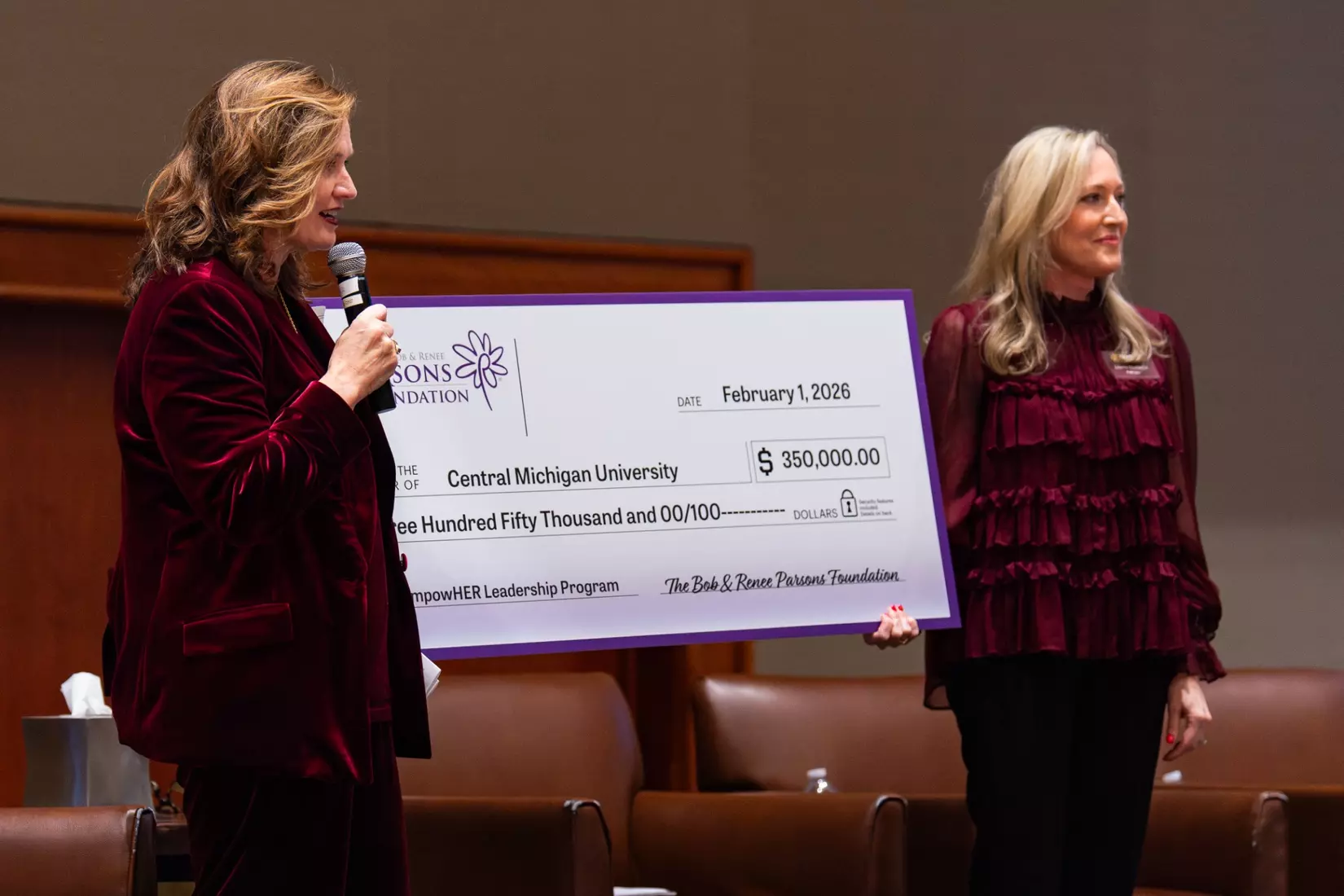
Photo by: Josie Ransley '25,M'27 - @josieransmedia
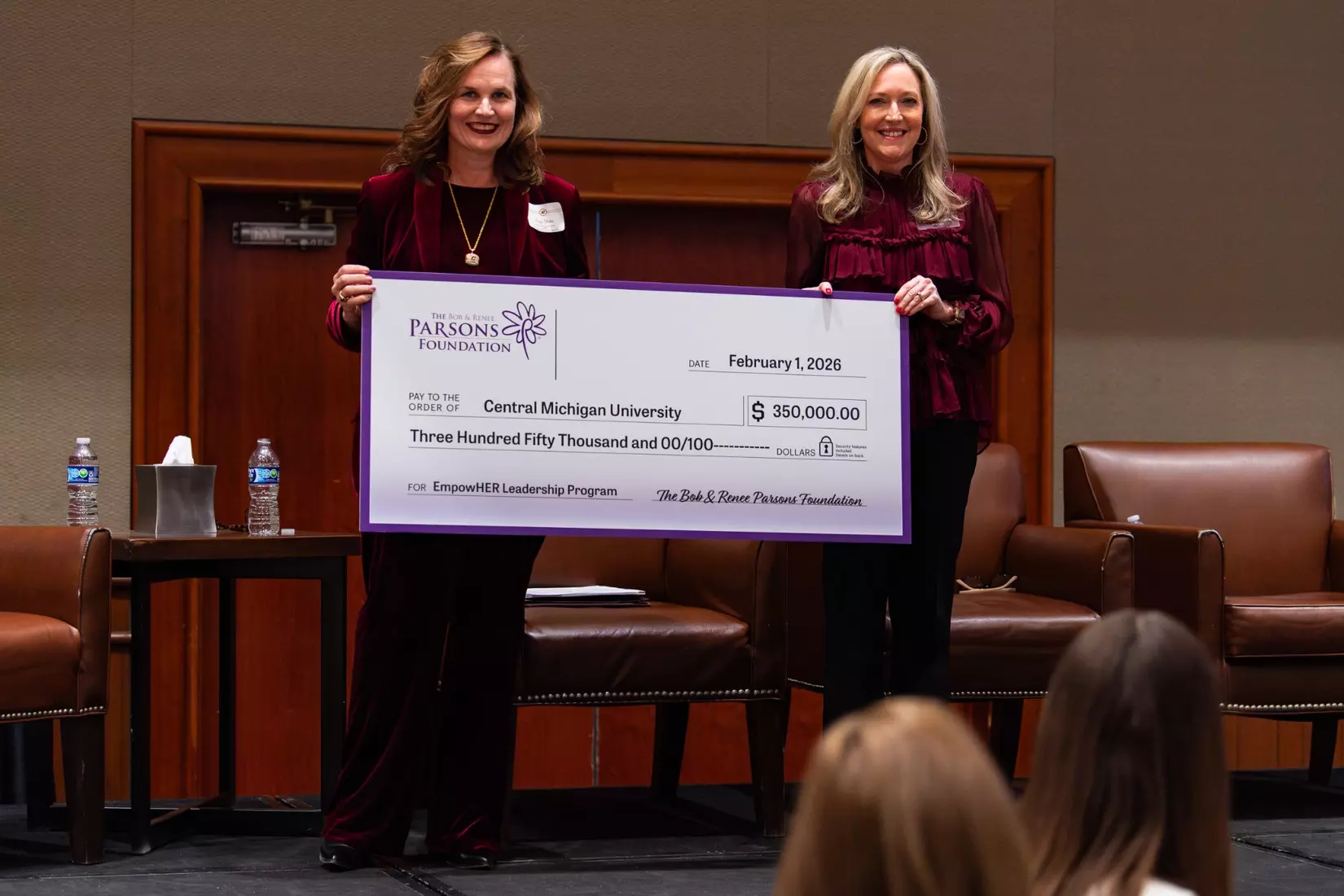
Photo by: Josie Ransley '25,M'27 - @josieransmedia
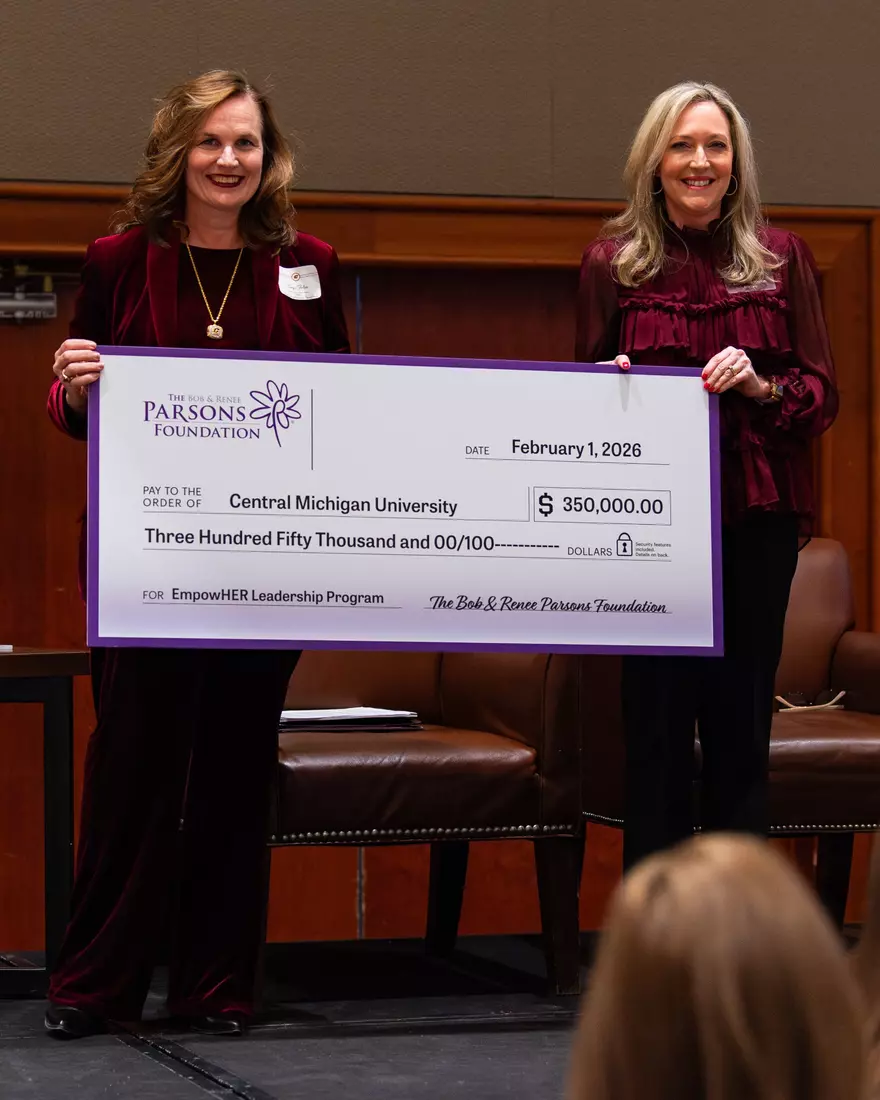
Photo by: Josie Ransley '25,M'27 - @josieransmedia
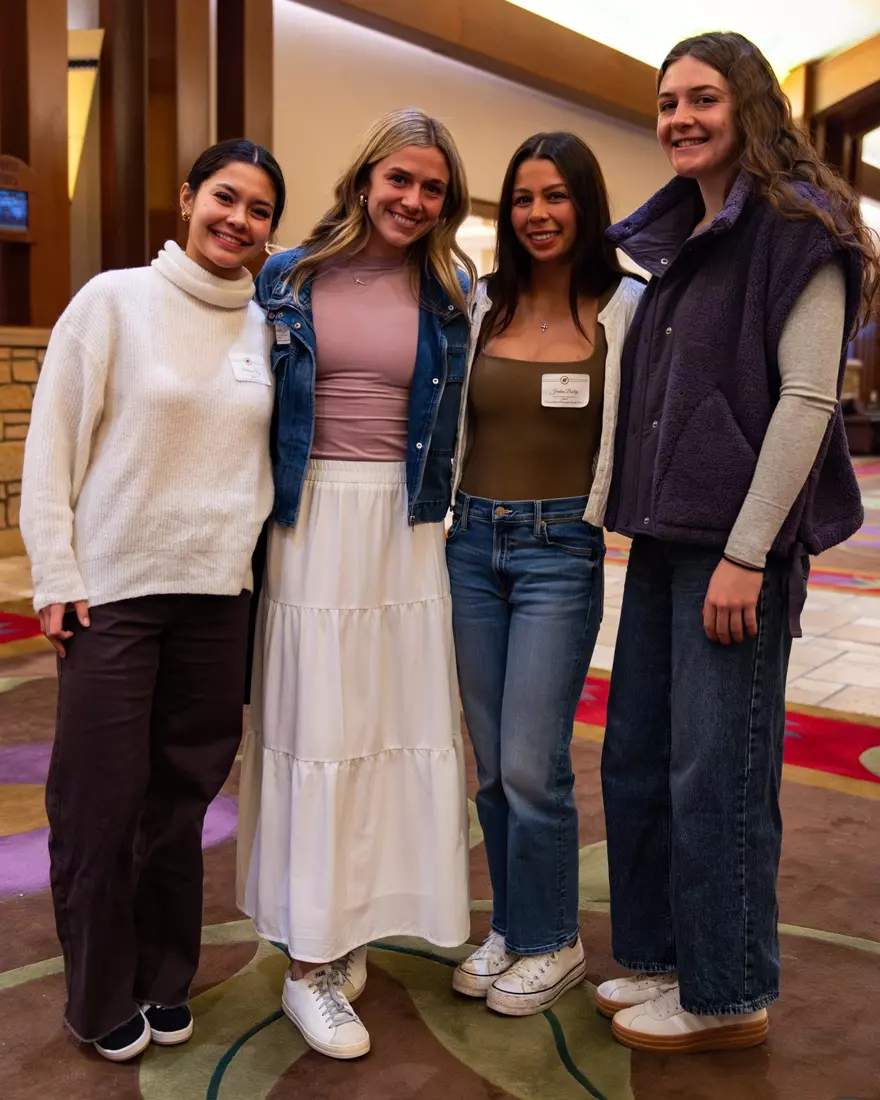
Photo by: Josie Ransley '25,M'27 - @josieransmedia
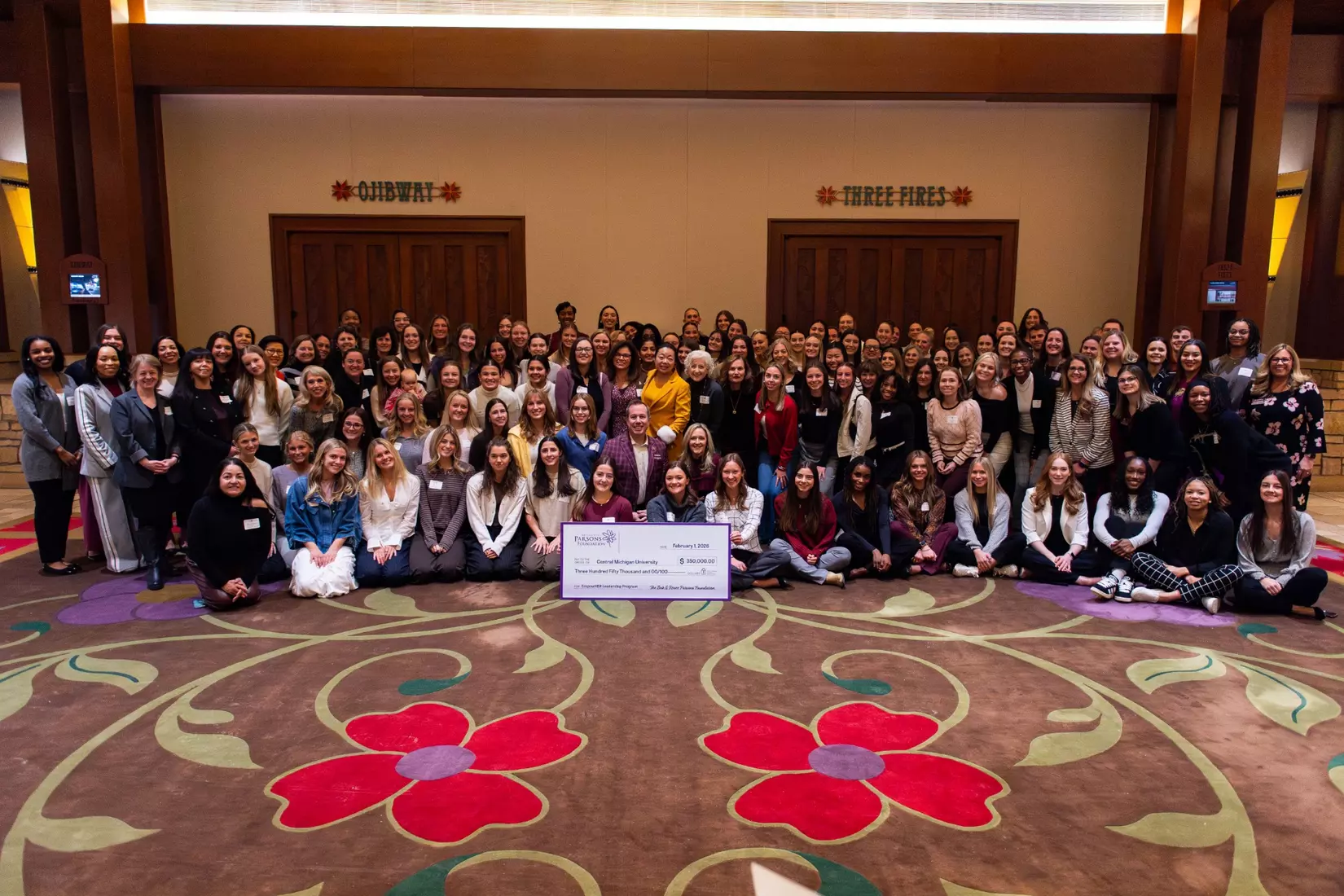
Photo by: Josie Ransley '25,M'27 - @josieransmedia
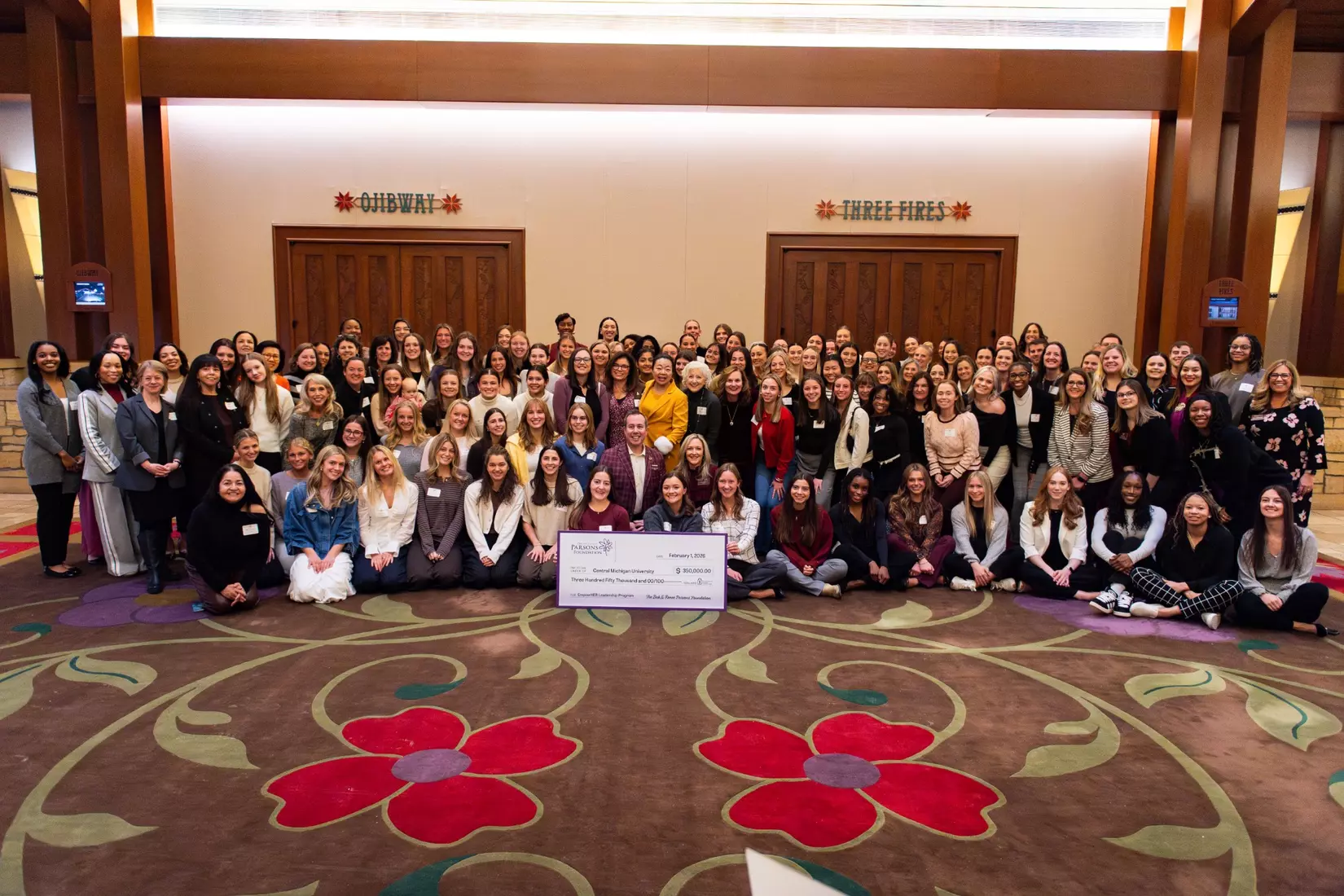
Photo by: Josie Ransley '25,M'27 - @josieransmedia
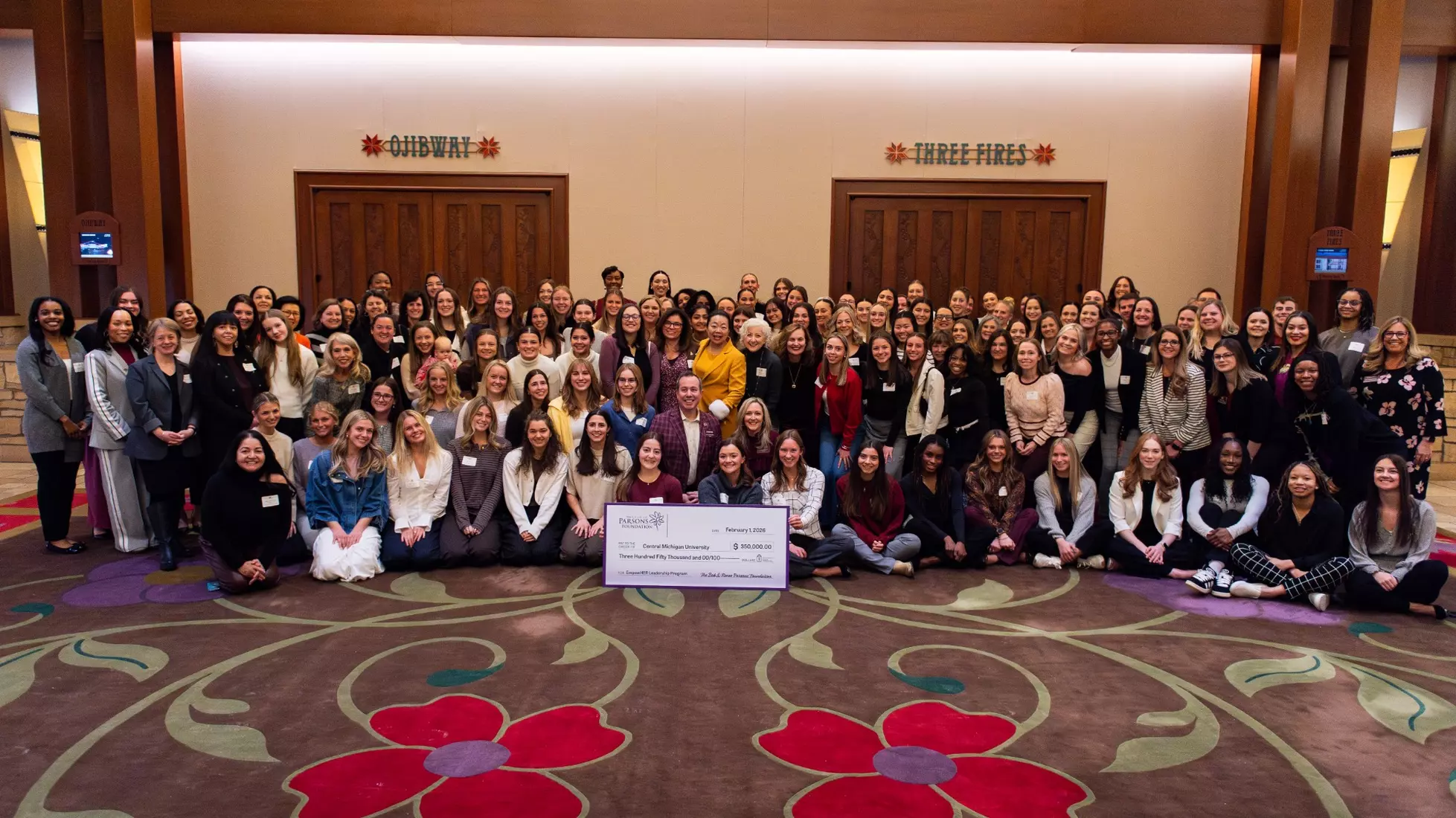
Photo by: Josie Ransley '25,M'27 - @josieransmedia
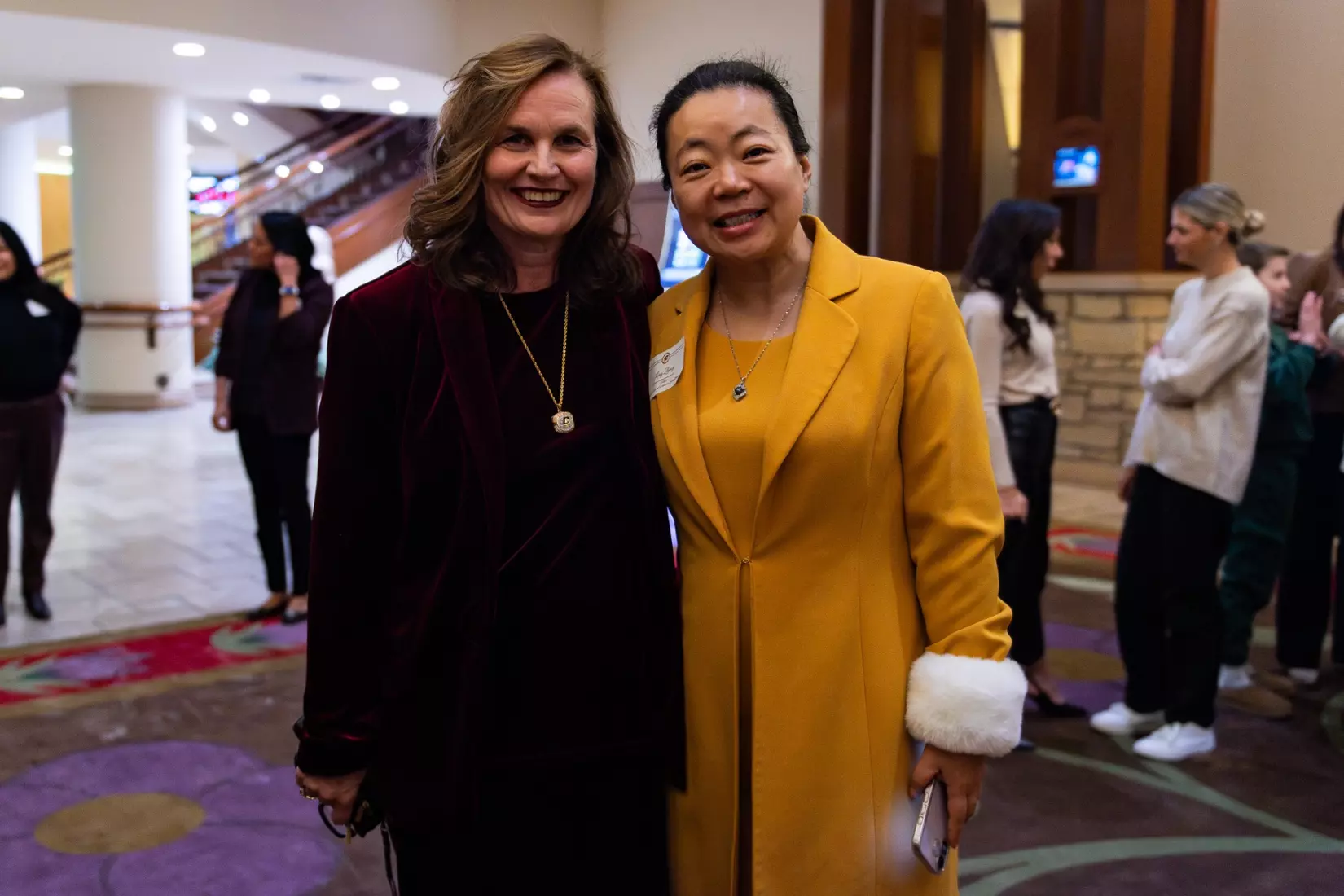
Photo by: Josie Ransley '25,M'27 - @josieransmedia
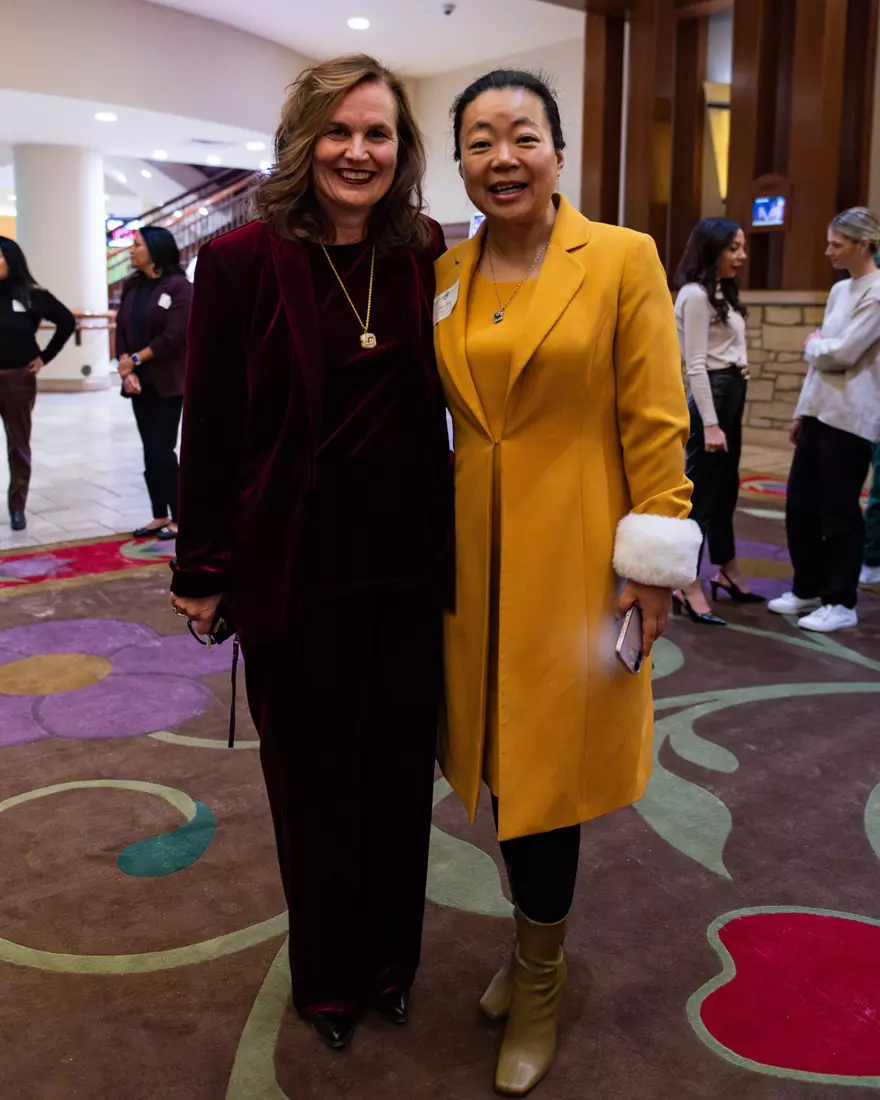
Photo by: Josie Ransley '25,M'27 - @josieransmedia
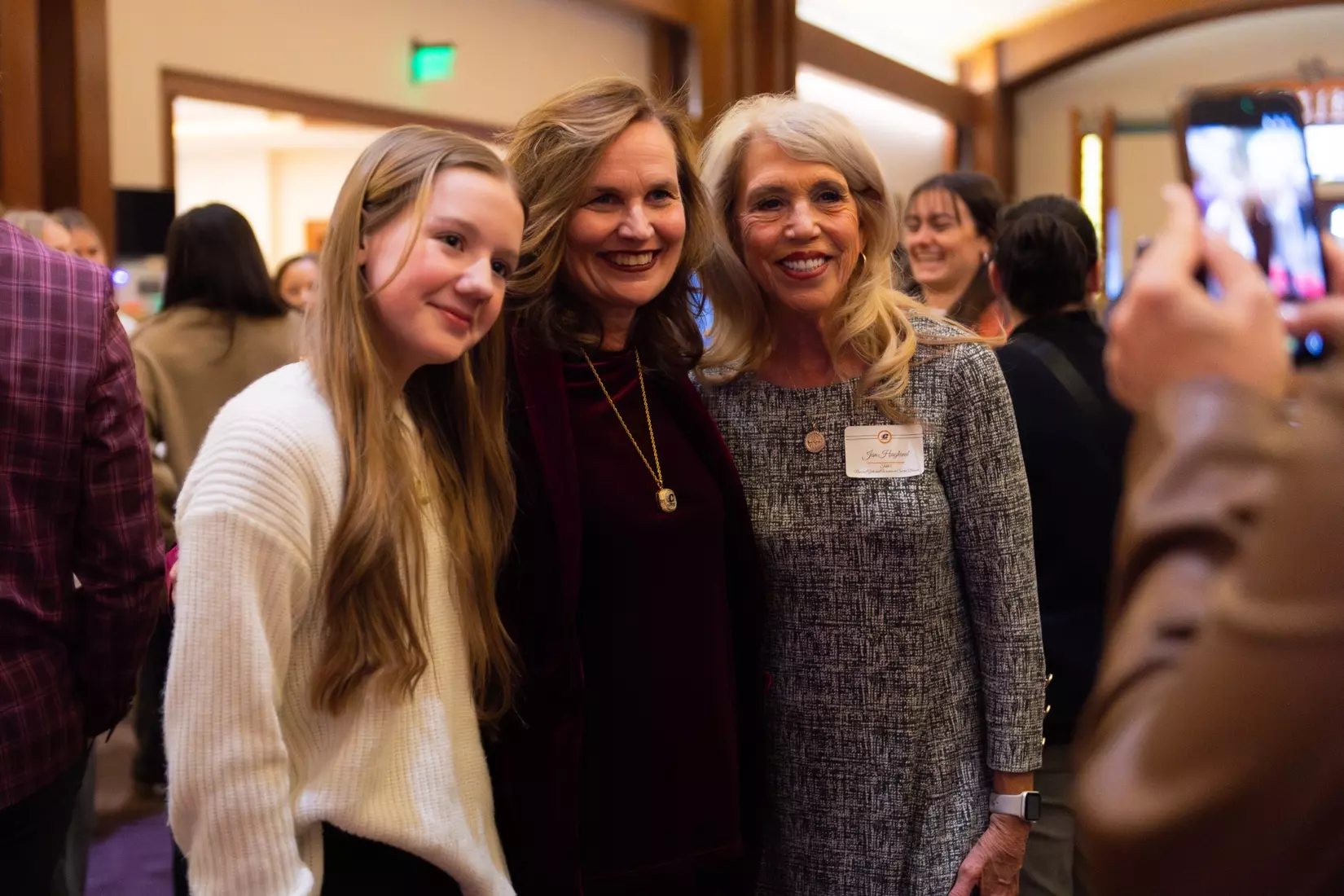
Photo by: Josie Ransley '25,M'27 - @josieransmedia
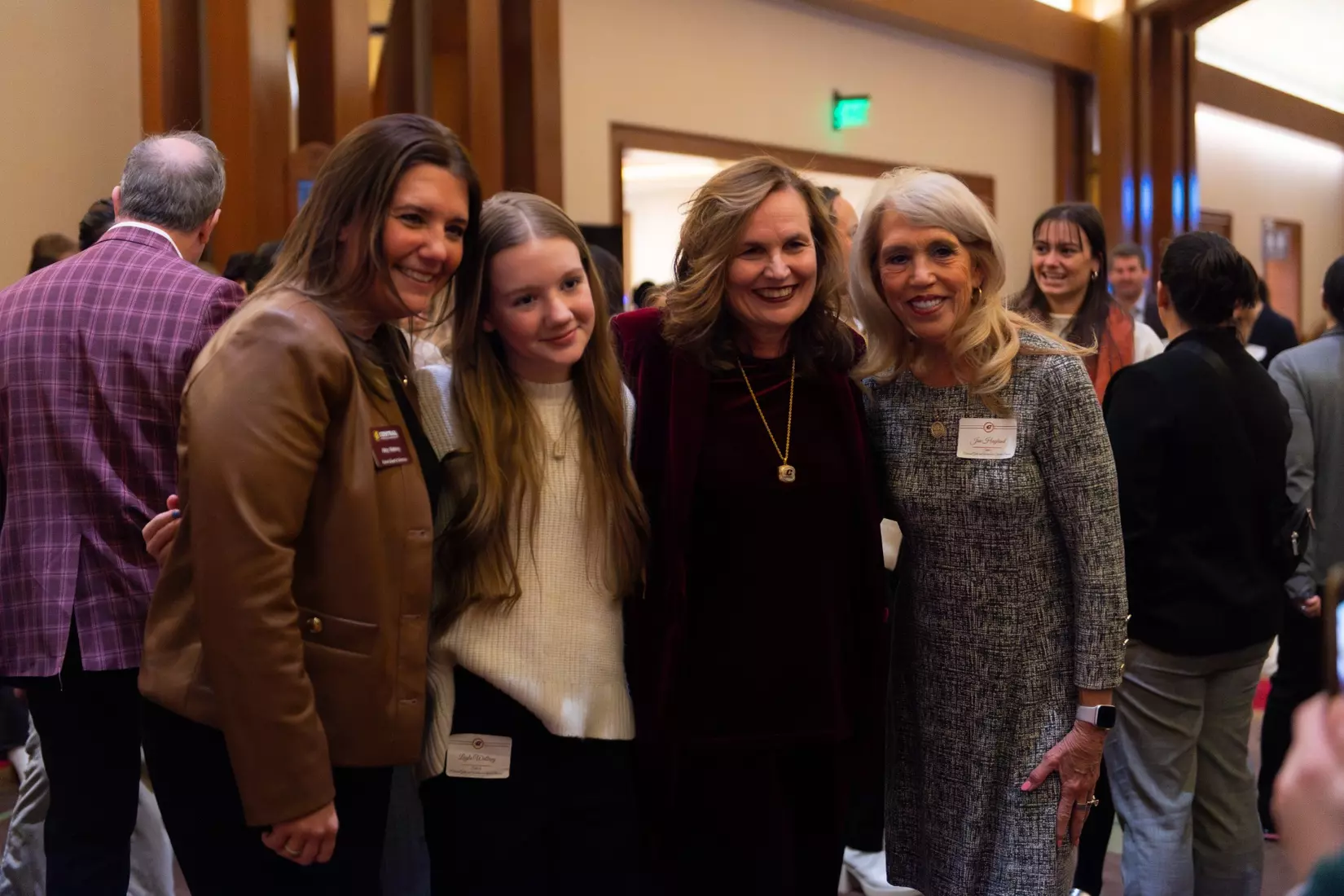
Photo by: Josie Ransley '25,M'27 - @josieransmedia
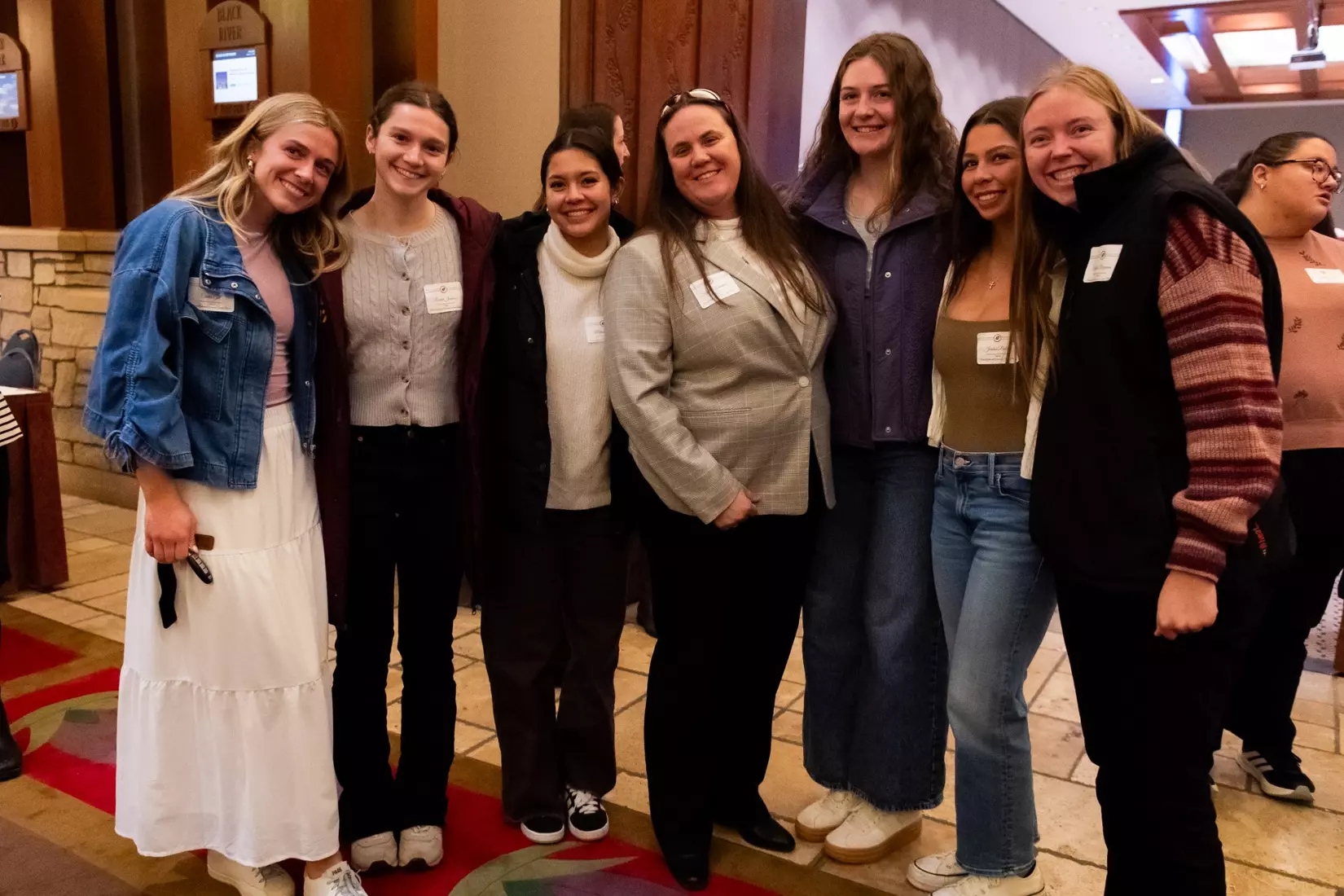
Photo by: Josie Ransley '25,M'27 - @josieransmedia
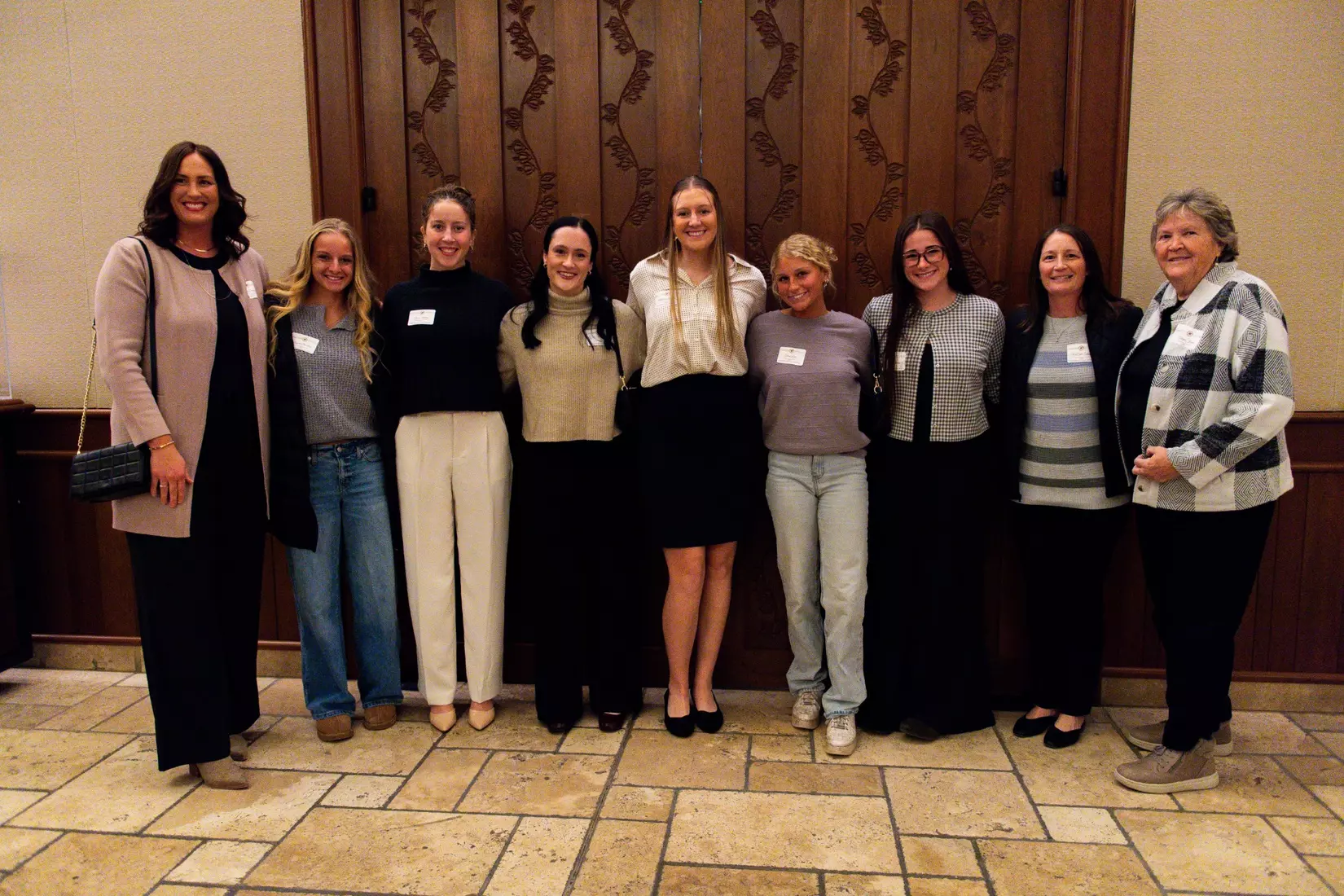
Photo by: Josie Ransley '25,M'27 - @josieransmedia
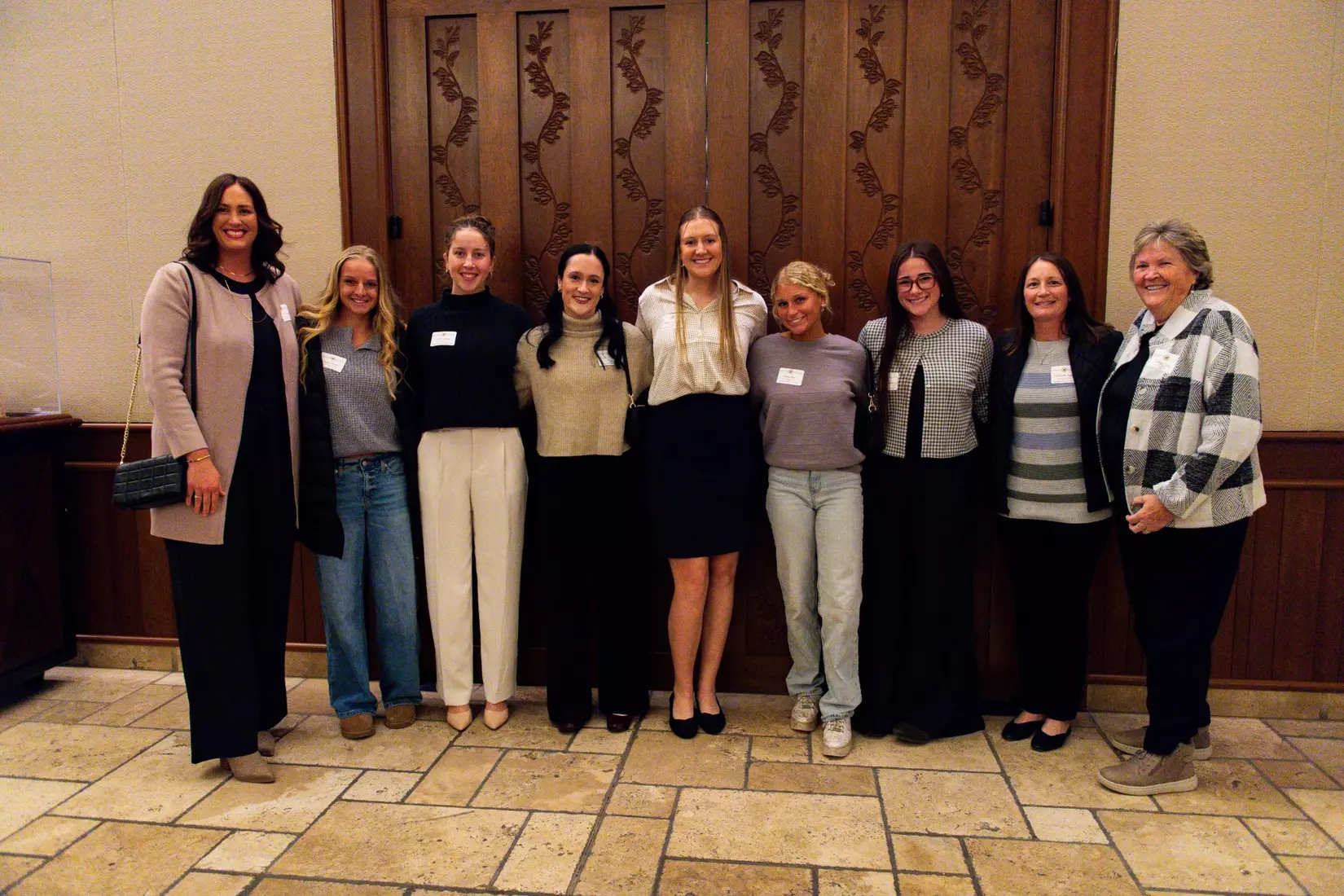
Photo by: Josie Ransley '25,M'27 - @josieransmedia
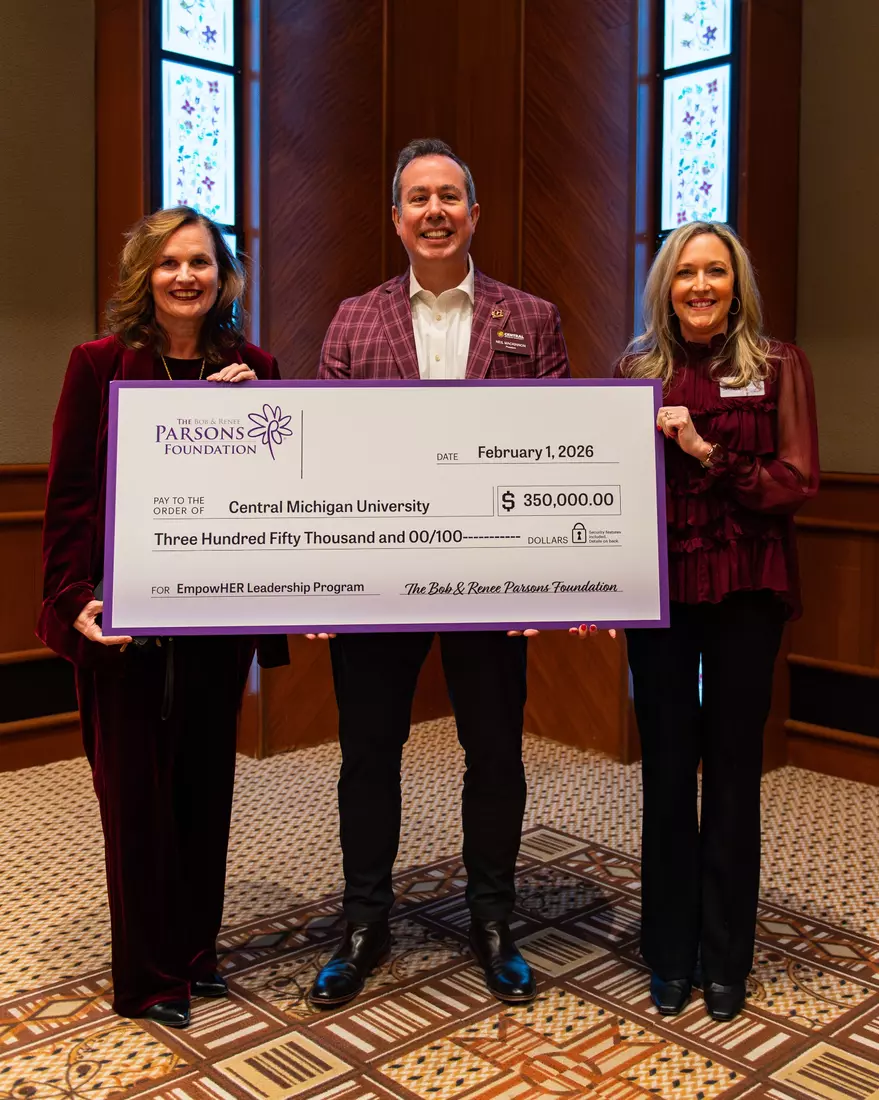
Photo by: Josie Ransley '25,M'27 - @josieransmedia
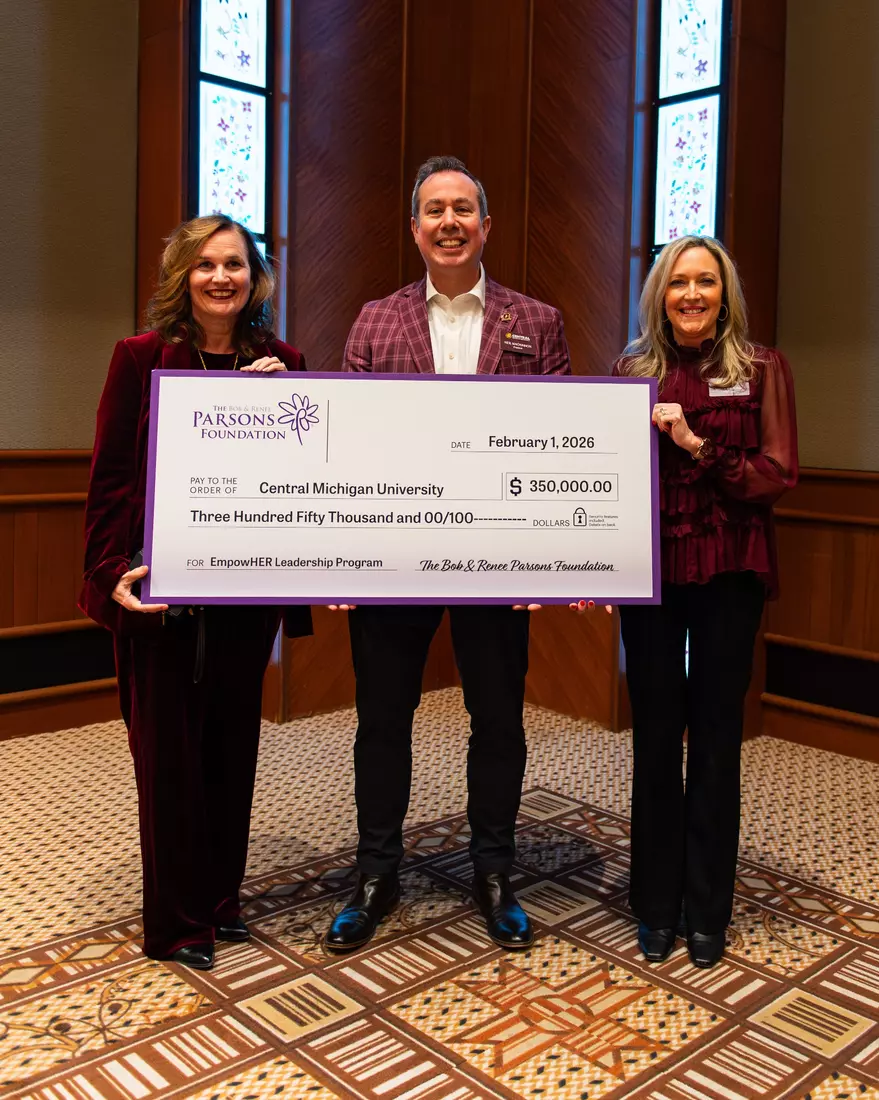
Photo by: Josie Ransley '25,M'27 - @josieransmedia
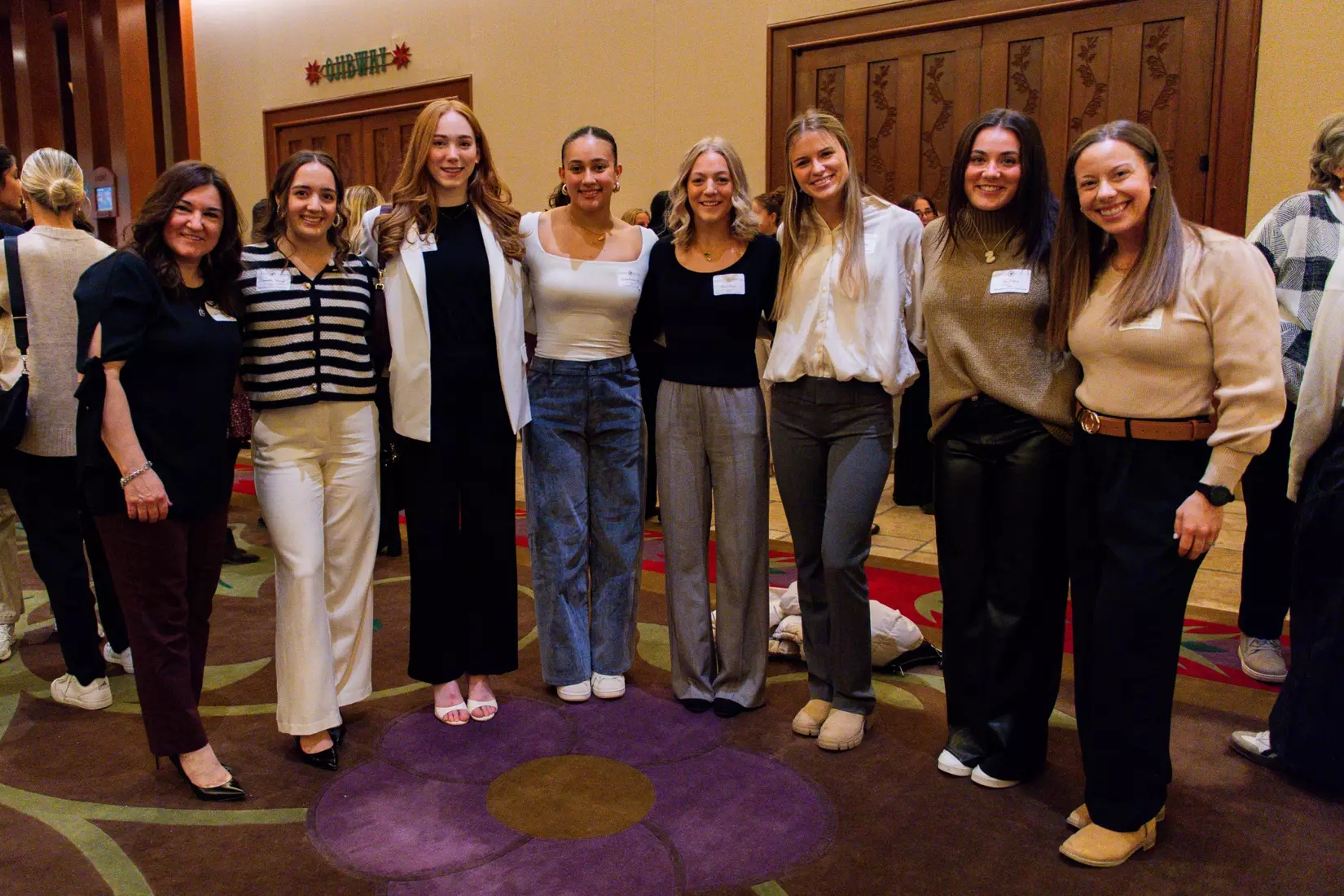
Photo by: Josie Ransley '25,M'27 - @josieransmedia
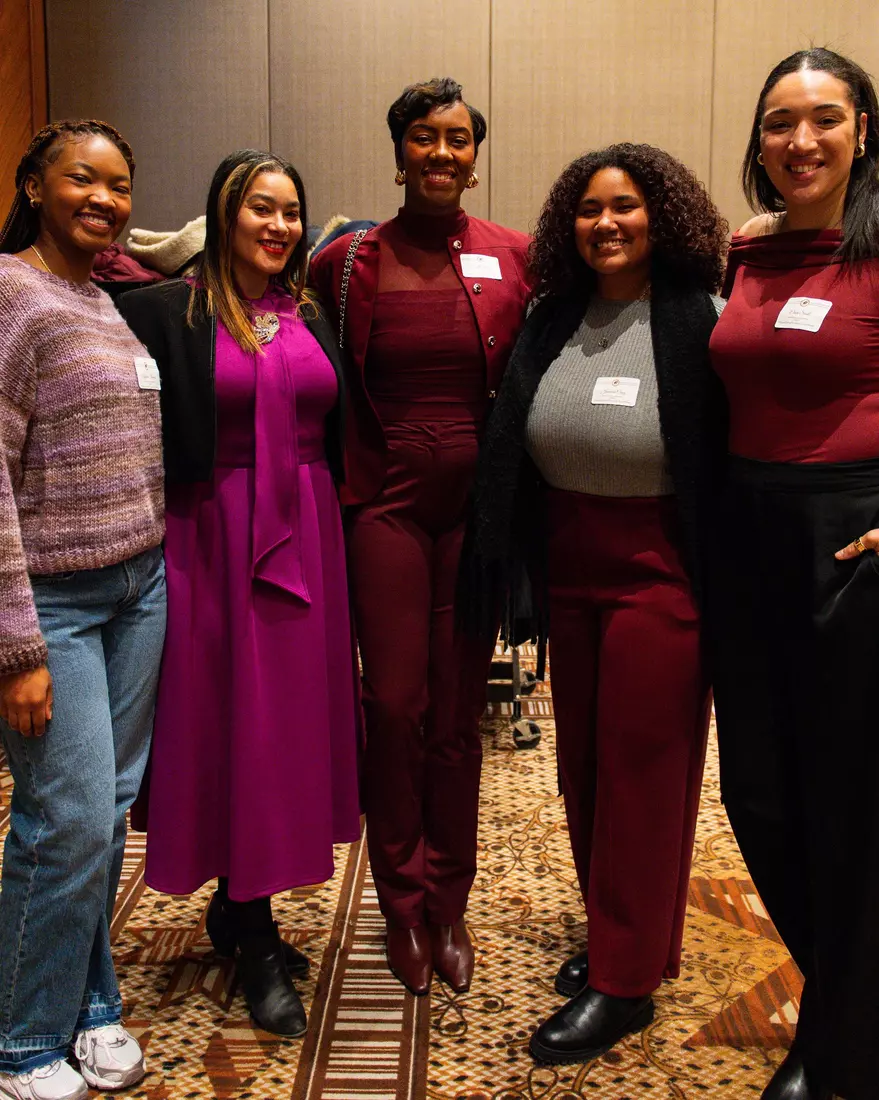
Photo by: Josie Ransley '25,M'27 - @josieransmedia
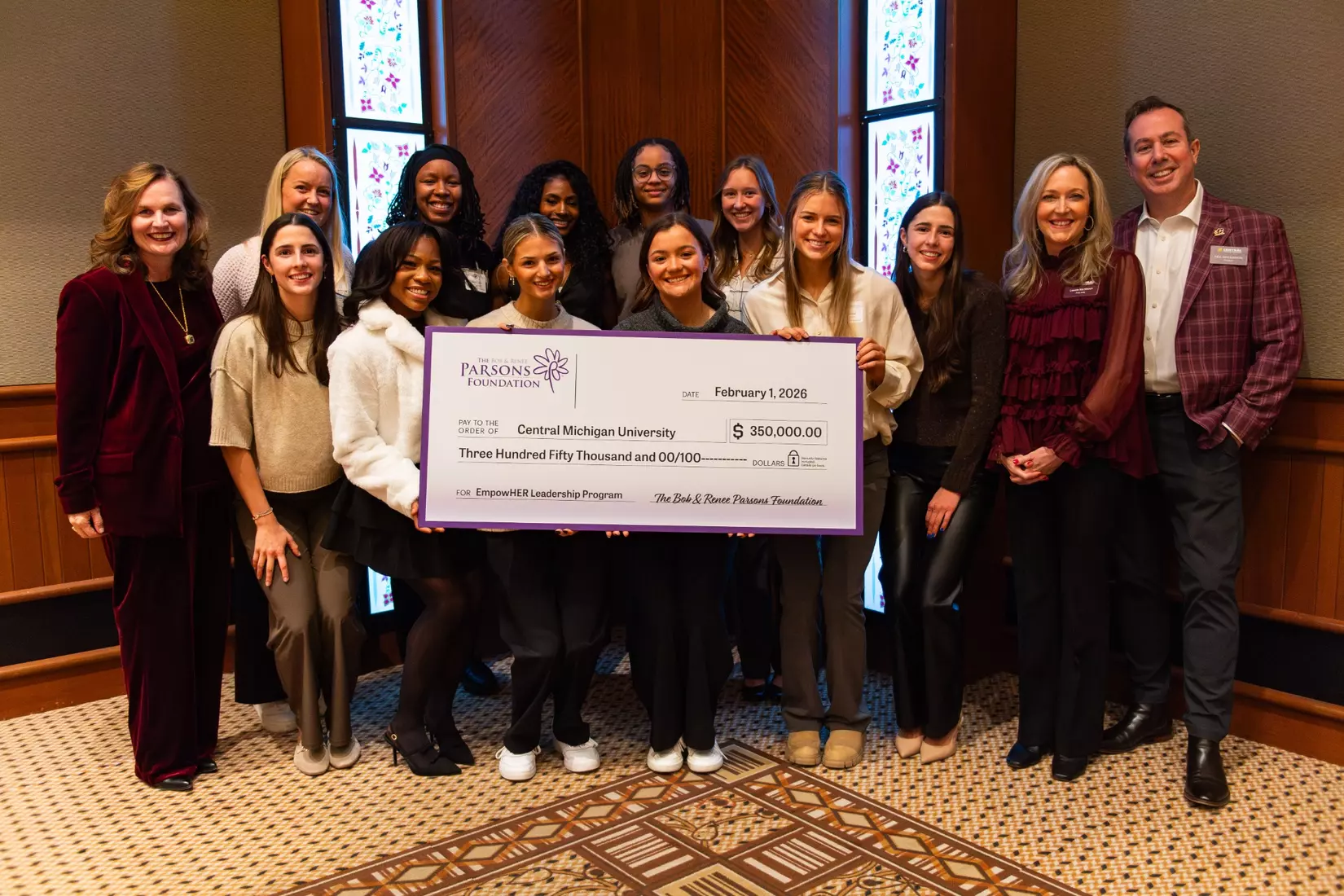
Photo by: Josie Ransley '25,M'27 - @josieransmedia
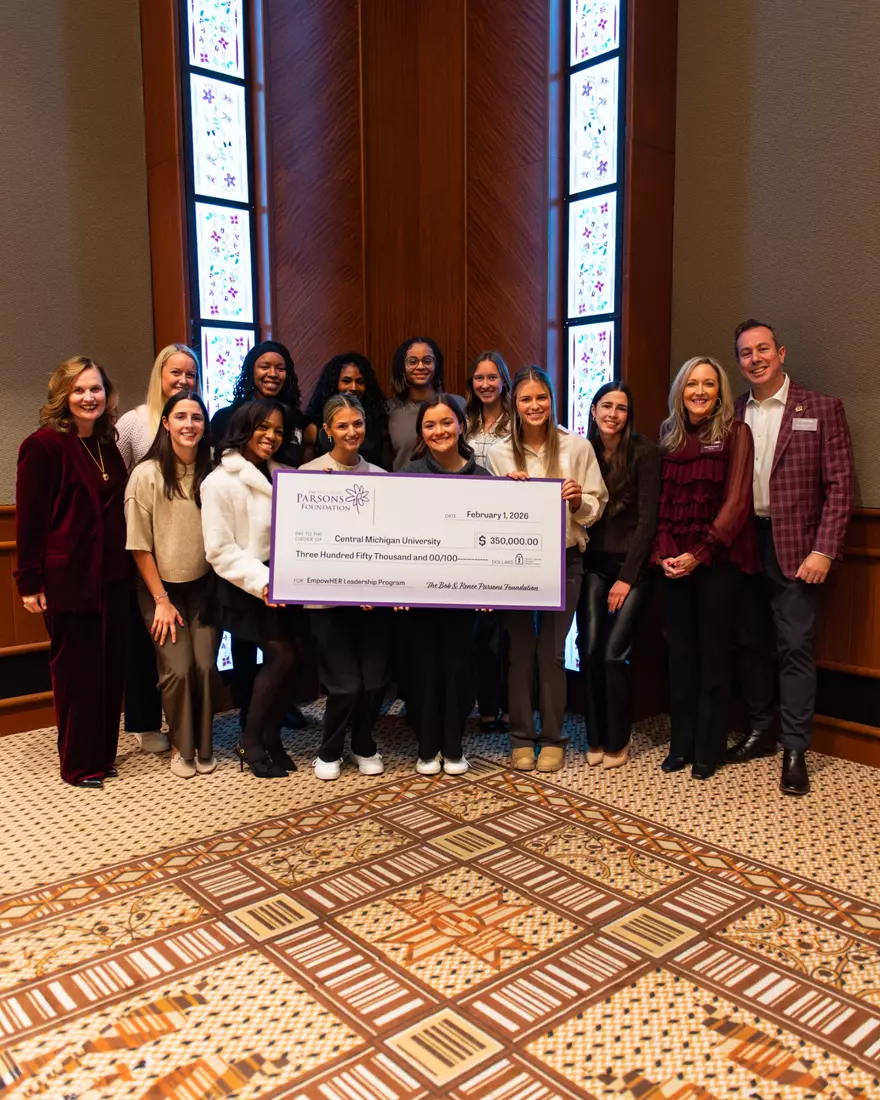
Photo by: Josie Ransley '25,M'27 - @josieransmedia
CMU Athletics Hosts National Girls & Women in Sports Brunch
2/5/2026 9:07:00 PM | General, Our Stories, Student-Athlete Leadership & Development
First-ever event held at Soaring Eagle Casino & Resort included a panel discussion on leadership and announcement of a new $350,000 gift from the Bob & Renee Parsons Foundation to establish the EmpowHer Leadership program.
MOUNT PLEASANT, Mich.—Central Michigan Athletics hosted its first-ever National Girls & Women in Sports Brunch on Sunday morning at Soaring Eagle Casino & Resort. Over 150 people were in attendance, including CMU administrators, Mount Pleasant Community women leaders, Saginaw Chippewa Indian Tribe Council members, CMU alumni and donors, CMU coaches and staff, and junior and senior CMU female student-athletes.
Organized by CMU Athletics, the brunch featured a panel discussion on leadership insights, the value and lessons learned from sports outside of athletics, the barriers faced as a leader in sports and concluded with a question-and-answer session. The four panelists included First Lady of Central Michigan University and co-host Leanne MacKinnon, Zyzelewski Family Vice President/Director of Athletics and co-host Amy Folan, Deputy Athletic Director for Administration and Senior Woman Administrator Tangela Cheatham, and CMU gymnastics coach Christine MacDonald. Sports reporter and anchor at NBC Chicago Kacy Standohar served as emcee for the event.
MacKinnon and Folan announced a $350,000 gift to CMU Athletics from the Bob & Renee Parsons Foundation. As part of the gift, the department will establish the EmpowHER Leadership program, a women's student-athlete initiative designed to cultivate confidence, resilience, and career readiness through mentorship, experiential learning, and community impact. Read more on the gift at this link.
MacKinnon spoke about how she became involved in sports as a high school freshman cross country runner in Phoenix, Ariz. By her third meet, she was winning every race, which led to a state title in the mile and growing interest from college programs. She ended up accepting a full-athletic scholarship to the University of North Florida and went on to win an NAIA national championship in the half mile. She reflected on how sports changed her life, pushing her to move across the country on her own and shaping her personal and professional growth.
"When I first started running, I had no idea what I was getting into and it was really hard at first to build endurance," MacKinnon said. "But the more I worked at it, the better I got. I never knew I had that strength in me. It takes a lot of mental strength to run. As a runner, you're in constant pain. You must push past that mentally. That teaches you so many life skills: like time management and believing in yourself."
MacKinnon went on to pursue a career in occupational therapy and went on to work with brain injuries, amputees, orthopedics/burns/plastics, geriatrics, and private practice with veterans. She explained how she got her start in the field and how her experience in sports helped her in all facets of her life.
"I volunteered in occupational therapy and was willing to do those things for less money," MacKinnon said. "But it turned into a full-time position. You never know where your journey will take you. Also be open to opportunities. It's what you make of it. You're going to make mistakes. It's normal to make mistakes because that is how you get better. In life and in sports, you must be flexible. Change is such a large part of life. It's constantly adapting and changing to succeed in the environment that you're in. Having a plan is great, but that is not how life works. I learned to believe in myself through sports."
One of only nine women athletic directors at the NCAA Division I FBS level, Folan was introduced to sports at an early age through her family and her father. Her family always taught her that education was the key. Sports was a way of life in her household. Her father coached the boys' teams so she could participate. There weren't a lot of opportunities for girls at the time, so Folan played with the boys. Folan was always a part of a team and learned to compete and bond through sports. She ended up playing soccer at the University of Connecticut and through that opportunity, became interested in athletic administration because of everything that sports had given her.
"Sports have given women a place to be assertive, to be confident, to be leaders," Folan said. "Sports give us an opportunity to learn, grow, and have skillsets that women don't get in a lot of places in this society. That's changing and it's always getting better in this country. It continues through all of women's student-athletes, but how do we make it better and how can we continue to grow and elevate?"
Folan went on to speak about what she learned from several of her mentors, including former Texas Athletic Director DeLoss Dodds.
"You need to be yourself and it's important to be yourself," Folan said. "Everything is done through people. People make things happen. You learn from everybody. You can't be somebody else. Things happen through people and people make things happen."
A Detroit, Mich. native and University of Michigan graduate, Cheatham spoke about her motivation to get into athletic administration. Her path was different from the other three panelists because she did not compete in a sport at the collegiate level. She was always a Detroit Pistons fan and the franchise's success had an impact on her. She also read about how professional athletes didn't know how to manage their finances and time demands.
"At Michigan, I had a number of friends who were athletes, whether it was football, basketball, tennis, track and field," Cheatham said. "I was trying to figure out how they can be successful with all the things they have on their plate as student-athletes. I put effort into trying to help them to take advantage of the opportunities that they have. That's what led me to want to pursue a role in sports administration. For me, it was about helping student-athletes take full advantage of the opportunity. I'm excited to continue learning and growing as a woman."
Cheatham also spoke about some advice she previously received on taking a professional role that you may not have much experience in.
"You don't have to be ready," Cheatham said. "Do it scared. In any job it's not always comfortable sometimes, but don't be afraid, it will come to you. You'll make mistakes but you'll learn from those."
She also takes great pride in continuing to mentor young women.
"One of the things I'm most proud about is the work of our graduate assistants who have gone to other jobs and professional areas," Cheatham said. "It's important to continue to open doors, find the areas where there are gaps and then help bridge those gaps. Through my time as a student to now, it always amazed me about how the athletic directors have taken the time to have a conversation with me. Continuing to do those things, providing access, and continuing to bridge those gaps are most important."
MacDonald, who has spent 33 combined years at Central Michigan as a student-athlete, assistant coach and head coach of the gymnastics program, spoke about her sports journey, which began as a CMU student-athlete.
"I loved gymnastics, I was a hard worker and put a lot of time into it and it brought me here to CMU," MacDonald said. "I really learned a lot of life lessons. As my journey evolved, I moved back here after a year and a half. I got the call to come back, left a private sector job and took a pay cut to come back here as an assistant gymnastics coach. Through sports, you learn so much about yourself. It's not all about victories, it's about hardships. How you're defined is not always about what's on paper, it's about the process. How you handle adversity and how you handle yourself. I hope that we can continue to celebrate these days and women in sports because it's so impactful. We can truly learn from everyone and their journeys as well."
"The time management skills I learned helped me to manage my family. My husband has a busy career. I learned to truly become a role model for my two daughters and a son. I wanted to be someone they could look up to. I think being able to manage yourself, your job. It can be done. As a student-athlete, you don't even know how much you're juggling. A month in and you're just doing it; you don't even realize what you're doing. You don't even realize the skills you're learning now, but they will all come into focus later in life."
National Girls & Women in Sports Day began in 1987as a special day in our nation's capital to recognize the impact of women's sports. Co-founded and empowered by the Women's Sports Foundation and supported by its team of champion athletes, NGWSD has evolved into an event to acknowledge the accomplishments of girls and women in sports, the positive influence of sports participation, and the continuing struggle for equality for women in sports. For more information, visit: www.womensportsfoundation.org.
Organized by CMU Athletics, the brunch featured a panel discussion on leadership insights, the value and lessons learned from sports outside of athletics, the barriers faced as a leader in sports and concluded with a question-and-answer session. The four panelists included First Lady of Central Michigan University and co-host Leanne MacKinnon, Zyzelewski Family Vice President/Director of Athletics and co-host Amy Folan, Deputy Athletic Director for Administration and Senior Woman Administrator Tangela Cheatham, and CMU gymnastics coach Christine MacDonald. Sports reporter and anchor at NBC Chicago Kacy Standohar served as emcee for the event.
MacKinnon and Folan announced a $350,000 gift to CMU Athletics from the Bob & Renee Parsons Foundation. As part of the gift, the department will establish the EmpowHER Leadership program, a women's student-athlete initiative designed to cultivate confidence, resilience, and career readiness through mentorship, experiential learning, and community impact. Read more on the gift at this link.
MacKinnon spoke about how she became involved in sports as a high school freshman cross country runner in Phoenix, Ariz. By her third meet, she was winning every race, which led to a state title in the mile and growing interest from college programs. She ended up accepting a full-athletic scholarship to the University of North Florida and went on to win an NAIA national championship in the half mile. She reflected on how sports changed her life, pushing her to move across the country on her own and shaping her personal and professional growth.
"When I first started running, I had no idea what I was getting into and it was really hard at first to build endurance," MacKinnon said. "But the more I worked at it, the better I got. I never knew I had that strength in me. It takes a lot of mental strength to run. As a runner, you're in constant pain. You must push past that mentally. That teaches you so many life skills: like time management and believing in yourself."
MacKinnon went on to pursue a career in occupational therapy and went on to work with brain injuries, amputees, orthopedics/burns/plastics, geriatrics, and private practice with veterans. She explained how she got her start in the field and how her experience in sports helped her in all facets of her life.
"I volunteered in occupational therapy and was willing to do those things for less money," MacKinnon said. "But it turned into a full-time position. You never know where your journey will take you. Also be open to opportunities. It's what you make of it. You're going to make mistakes. It's normal to make mistakes because that is how you get better. In life and in sports, you must be flexible. Change is such a large part of life. It's constantly adapting and changing to succeed in the environment that you're in. Having a plan is great, but that is not how life works. I learned to believe in myself through sports."
One of only nine women athletic directors at the NCAA Division I FBS level, Folan was introduced to sports at an early age through her family and her father. Her family always taught her that education was the key. Sports was a way of life in her household. Her father coached the boys' teams so she could participate. There weren't a lot of opportunities for girls at the time, so Folan played with the boys. Folan was always a part of a team and learned to compete and bond through sports. She ended up playing soccer at the University of Connecticut and through that opportunity, became interested in athletic administration because of everything that sports had given her.
"Sports have given women a place to be assertive, to be confident, to be leaders," Folan said. "Sports give us an opportunity to learn, grow, and have skillsets that women don't get in a lot of places in this society. That's changing and it's always getting better in this country. It continues through all of women's student-athletes, but how do we make it better and how can we continue to grow and elevate?"
Folan went on to speak about what she learned from several of her mentors, including former Texas Athletic Director DeLoss Dodds.
"You need to be yourself and it's important to be yourself," Folan said. "Everything is done through people. People make things happen. You learn from everybody. You can't be somebody else. Things happen through people and people make things happen."
A Detroit, Mich. native and University of Michigan graduate, Cheatham spoke about her motivation to get into athletic administration. Her path was different from the other three panelists because she did not compete in a sport at the collegiate level. She was always a Detroit Pistons fan and the franchise's success had an impact on her. She also read about how professional athletes didn't know how to manage their finances and time demands.
"At Michigan, I had a number of friends who were athletes, whether it was football, basketball, tennis, track and field," Cheatham said. "I was trying to figure out how they can be successful with all the things they have on their plate as student-athletes. I put effort into trying to help them to take advantage of the opportunities that they have. That's what led me to want to pursue a role in sports administration. For me, it was about helping student-athletes take full advantage of the opportunity. I'm excited to continue learning and growing as a woman."
Cheatham also spoke about some advice she previously received on taking a professional role that you may not have much experience in.
"You don't have to be ready," Cheatham said. "Do it scared. In any job it's not always comfortable sometimes, but don't be afraid, it will come to you. You'll make mistakes but you'll learn from those."
She also takes great pride in continuing to mentor young women.
"One of the things I'm most proud about is the work of our graduate assistants who have gone to other jobs and professional areas," Cheatham said. "It's important to continue to open doors, find the areas where there are gaps and then help bridge those gaps. Through my time as a student to now, it always amazed me about how the athletic directors have taken the time to have a conversation with me. Continuing to do those things, providing access, and continuing to bridge those gaps are most important."
MacDonald, who has spent 33 combined years at Central Michigan as a student-athlete, assistant coach and head coach of the gymnastics program, spoke about her sports journey, which began as a CMU student-athlete.
"I loved gymnastics, I was a hard worker and put a lot of time into it and it brought me here to CMU," MacDonald said. "I really learned a lot of life lessons. As my journey evolved, I moved back here after a year and a half. I got the call to come back, left a private sector job and took a pay cut to come back here as an assistant gymnastics coach. Through sports, you learn so much about yourself. It's not all about victories, it's about hardships. How you're defined is not always about what's on paper, it's about the process. How you handle adversity and how you handle yourself. I hope that we can continue to celebrate these days and women in sports because it's so impactful. We can truly learn from everyone and their journeys as well."
"The time management skills I learned helped me to manage my family. My husband has a busy career. I learned to truly become a role model for my two daughters and a son. I wanted to be someone they could look up to. I think being able to manage yourself, your job. It can be done. As a student-athlete, you don't even know how much you're juggling. A month in and you're just doing it; you don't even realize what you're doing. You don't even realize the skills you're learning now, but they will all come into focus later in life."
National Girls & Women in Sports Day began in 1987as a special day in our nation's capital to recognize the impact of women's sports. Co-founded and empowered by the Women's Sports Foundation and supported by its team of champion athletes, NGWSD has evolved into an event to acknowledge the accomplishments of girls and women in sports, the positive influence of sports participation, and the continuing struggle for equality for women in sports. For more information, visit: www.womensportsfoundation.org.
—CMU—
Wednesday, October 14
Tuesday, September 01
Saturday, August 08
Friday, June 26